Best Time to Visit Galapagos: Weather, Wildlife & Seasons
Not sure when to visit Galapagos? Here’s a practical month-by-month guide to help you choose the time that best fits your trip.
Updated September 2026 · AM
There is no single “best” month to visit the Galapagos Islands. The better question is: What do you want from your trip? What do you want to experience?
If warm water, snorkeling, and beach time are priorities, December to May are generally more comfortable. For marine wildlife, seabirds, and cooler temperatures, June to November can be more appealing. April–May and October–November offer a useful middle ground.
Galapagos is a year-round destination, but ocean temperatures, rainfall, vegetation, sea conditions, and wildlife behavior change with the seasons.
I’ve visited Galapagos at different stages of my life. As a kid, I could spend most of every day in the water. If you asked my childhood self, I would probably tell you that every month is the best time to visit Galapagos.
At a glance: when should you visit Galapagos?
| If you care most about… | Consider |
|---|---|
| Warmer water & swimming | December–May |
| Snorkeling in warmer conditions | December–May |
| Greener landscapes | January–May |
| Marine wildlife & seabirds | June–November |
| Cooler daytime temperatures | June–November |
| Waved albatross activity | Late March–June |
| A balanced overall experience | April–May or October–November |
These are planning windows, not guarantees. Wildlife is present year-round and conditions vary across islands and visitor sites.
Personally, I lean toward warmer months because warmer weather and water make me want to spend more time in the ocean. What can I say? We love a tropical climate.
Galapagos weather: the two seasons you need to know about
Unlike many destinations, Galapagos is not defined by four traditional seasons. Travelers experience two broad periods: a warm season from December to May and a cooler season from June to November.
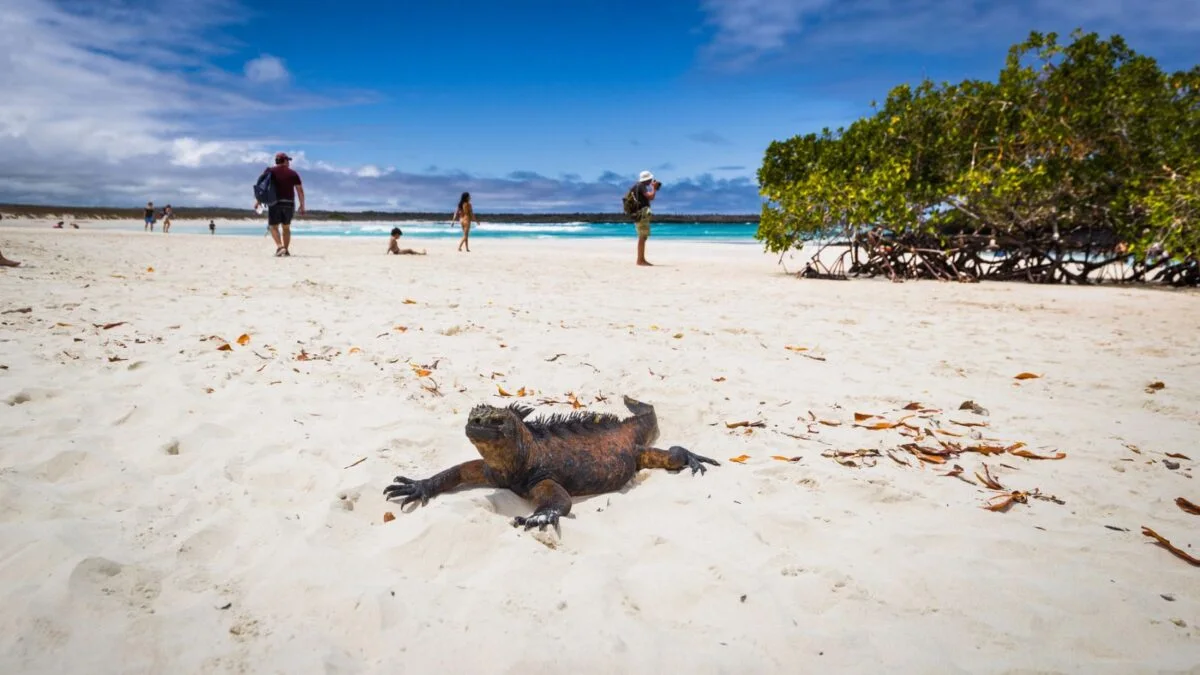
December to May: the warm season
This warmer and wetter period usually brings warmer water, calmer seas, green vegetation, sunny intervals, and occasional short rain. It is particularly attractive for snorkeling, swimming, beach activities, and travelers who prefer tropical conditions.
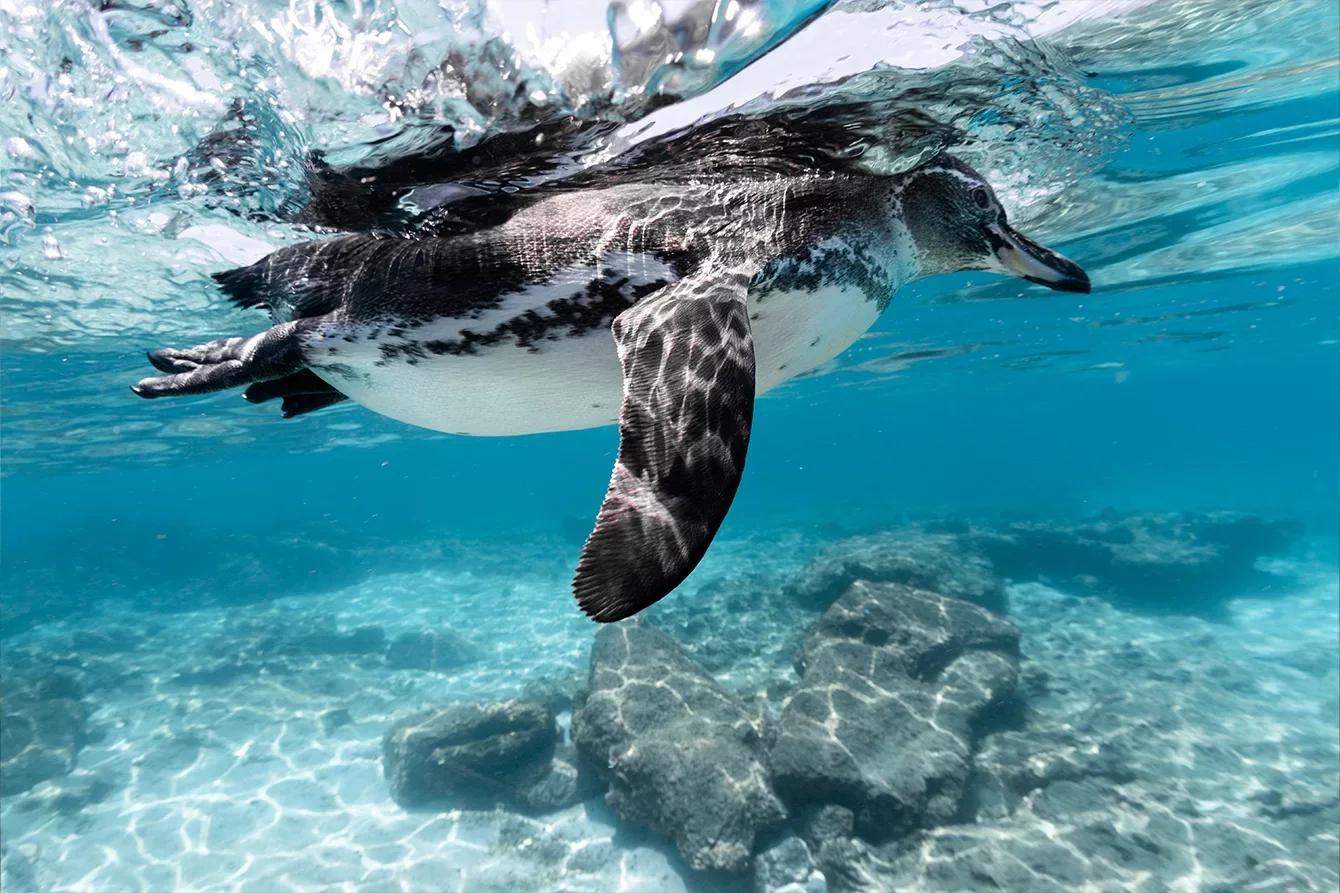
June to November: the cool season
The Humboldt Current becomes stronger. Water and air are cooler, but nutrient-rich conditions support highly productive marine ecosystems and strong seabird activity. This is not simply “worse weather.” It is a different type of Galapagos experience.
Galapagos Weather & Wildlife Month by Month
The calendar is a planning guide, not a promise of sightings. Wildlife follows natural cycles, and islands can offer different experiences in the same month.
January
Best for: warm water, snorkeling, beaches, and the beginning of breeding activity.
January is firmly within the warm season. Comfortable water, sunshine, and occasional rain make it attractive for travelers who want a mix of land and water activities.
Choose January if: you want warmer water and a tropical atmosphere.
February
Best for: snorkeling, swimming, warmer conditions, and active wildlife.
February continues the warm-season pattern. Vegetation is typically more colorful, while bird and sea-turtle breeding activity form part of the seasonal picture.
Choose February if: you prioritize warmer water, beaches, and snorkeling.
March
Best for: warm conditions plus major breeding activity.
Waved albatrosses begin arriving at breeding colonies on Española in late March. Demand can also be stronger during this period.
Choose March if: wildlife breeding activity matters more than avoiding periods of higher demand.
April
Best for: wildlife enthusiasts and a strong all-around experience.
Waved albatross breeding is underway while warm-season water and relatively calm seas remain attractive.
Choose April if: you want warm-water activities without giving up major wildlife events.
May
Best for: warm-water activities, wildlife, and seasonal transition.
May remains within the warm season, although the transition toward cooler conditions begins to become more noticeable.
Choose May if: you want warm-season advantages near the transition period.
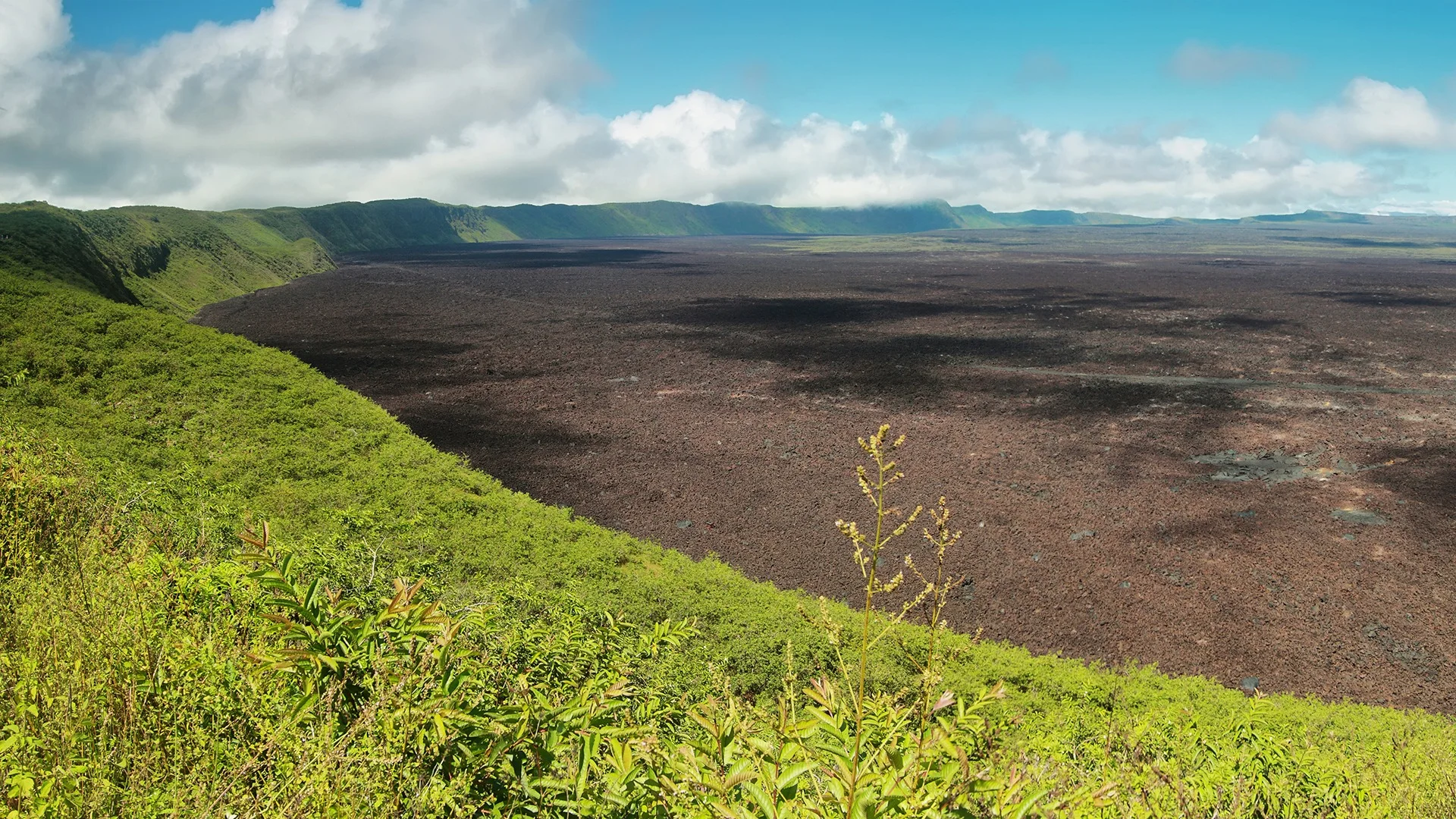
June
Best for: marine wildlife and the beginning of the cool season.
The Humboldt Current becomes more influential, supporting abundant marine life. Waved albatross breeding continues through late June.
Choose June if: you want cooler-season marine activity and important breeding events.
July
Best for: marine wildlife, seabirds, and cooler temperatures.
Nutrient-rich currents make the marine environment highly productive, particularly rewarding for underwater life and seabirds.
Choose July if: wildlife matters more than having the warmest possible water.
August
Best for: marine wildlife and travelers comfortable with cooler water.
The Humboldt Current remains influential and marine productivity is high.
Choose August if: snorkeling, diving, and marine wildlife are major reasons for your trip.
September
Best for: travelers focused on marine ecosystems.
September is deep into the cool season: cooler water in exchange for highly productive marine conditions.
Choose September if: your ideal trip emphasizes marine wildlife and seabirds.
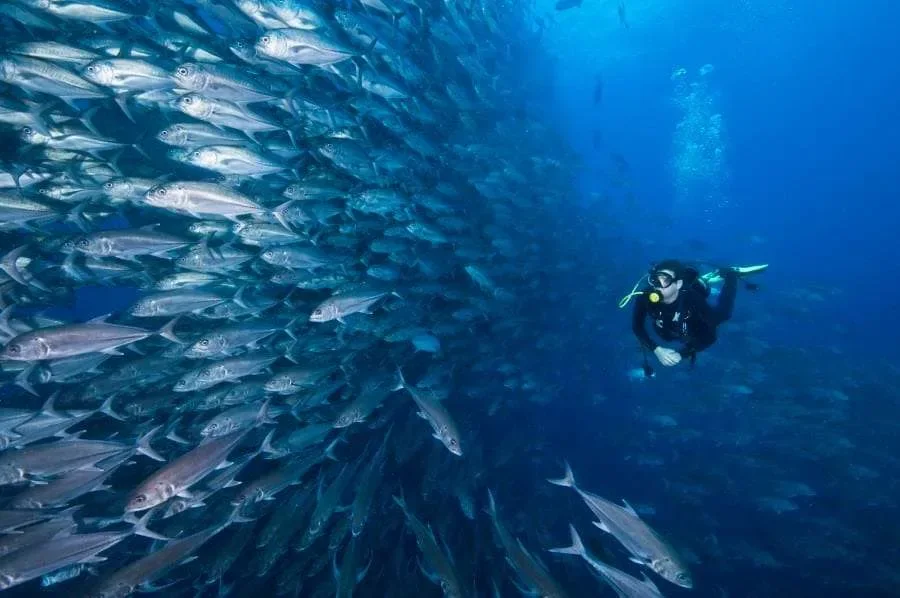
October
Best for: a cooler, wildlife-focused trip.
October remains within the cool-season pattern and can suit travelers who value marine activity and moderate temperatures.
Choose October if: you want wildlife-focused travel in cooler conditions.
November
Best for: a seasonal transition and balanced itinerary.
November sits near the end of the cool period, before warmer-season conditions return.
Choose November if: you want balance and flexibility more than one specific seasonal event.
December
Best for: warmer water, sunshine, and returning warm-season conditions.
Sea temperatures begin to rise again. Christmas and New Year are busy, so flights, hotels, and cruises should be arranged early.
Choose December if: you want warm-season conditions and can plan around a busier period.
Which months are best for wildlife?
Waved albatross
Late March through June is particularly significant: adults arrive on Española in late March and eggs are laid from mid-April into late June.
Penguins and marine wildlife
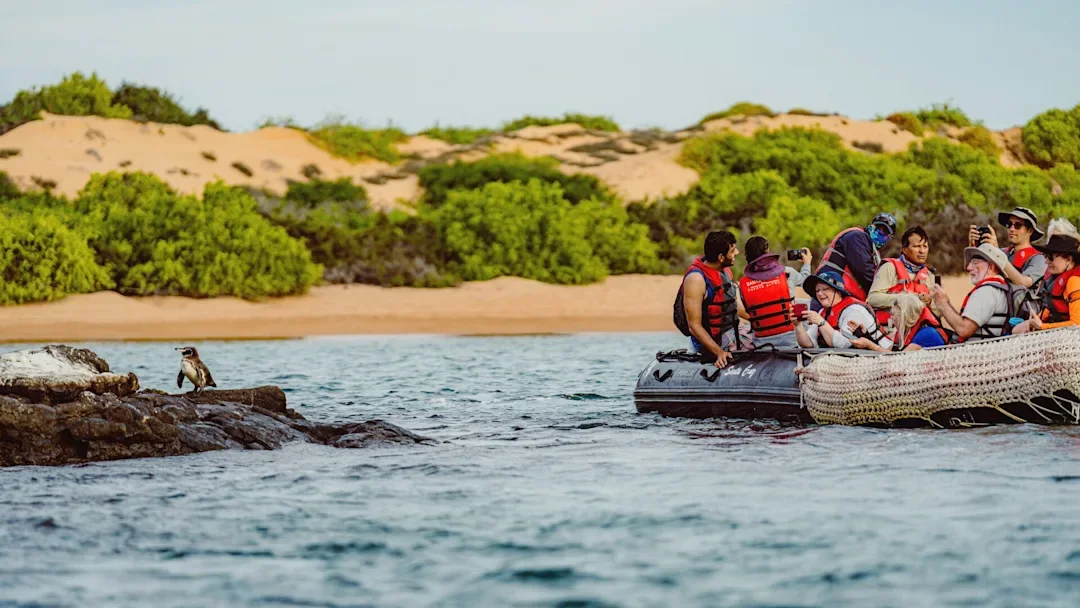
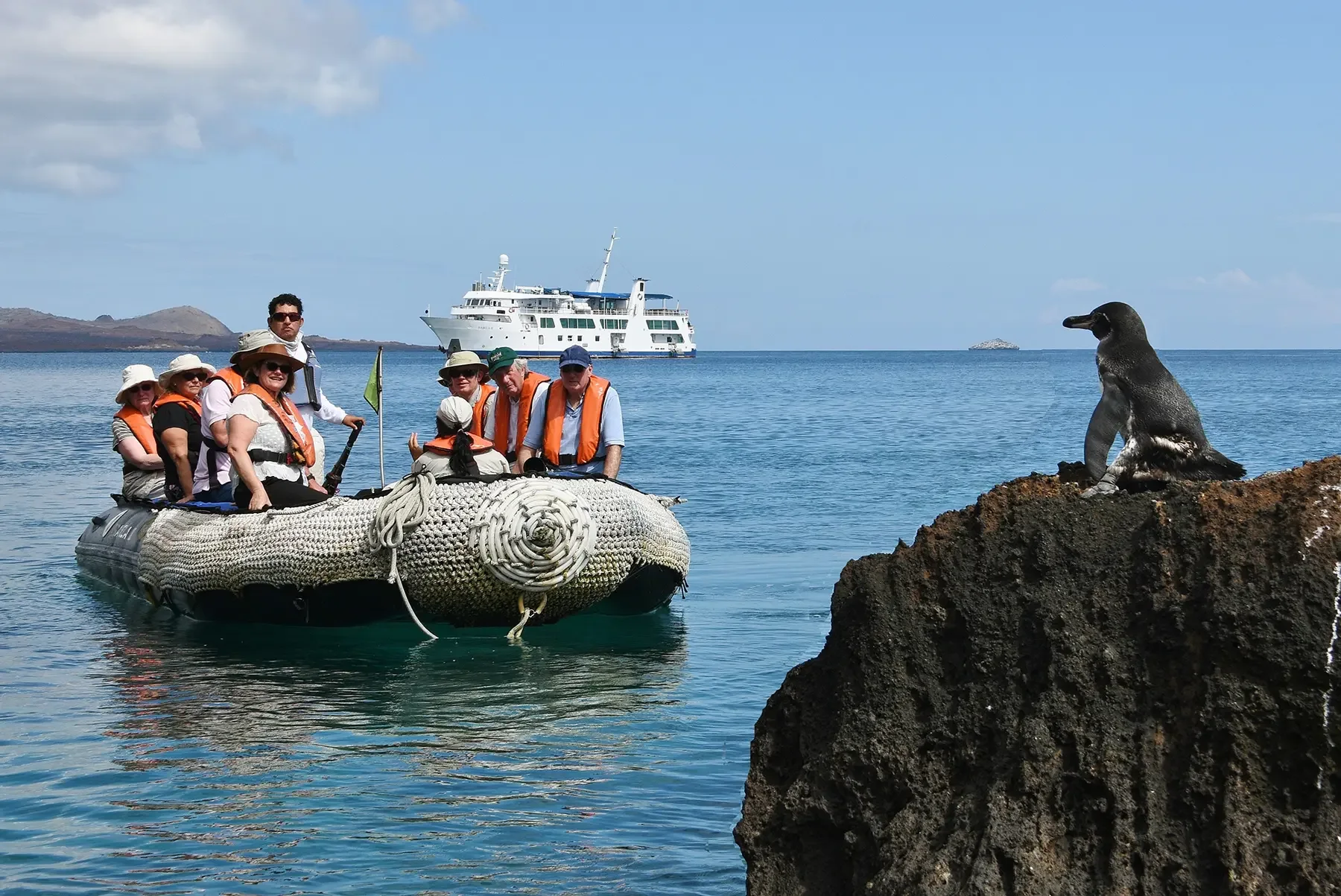
June through November is especially attractive for marine wildlife because of nutrient-rich waters associated with the Humboldt Current.
Giant tortoises
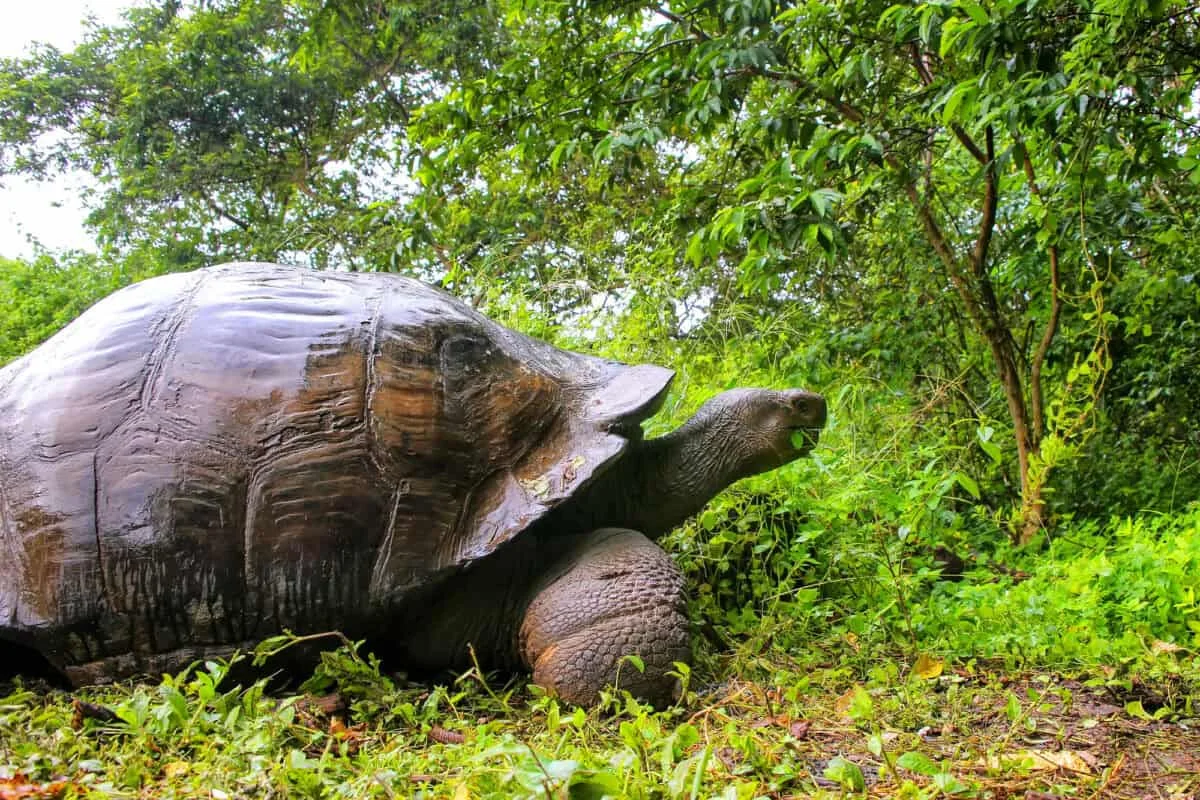
Giant tortoises can be seen throughout the year. Their daily activity and seasonal movements change with temperature and rainfall.
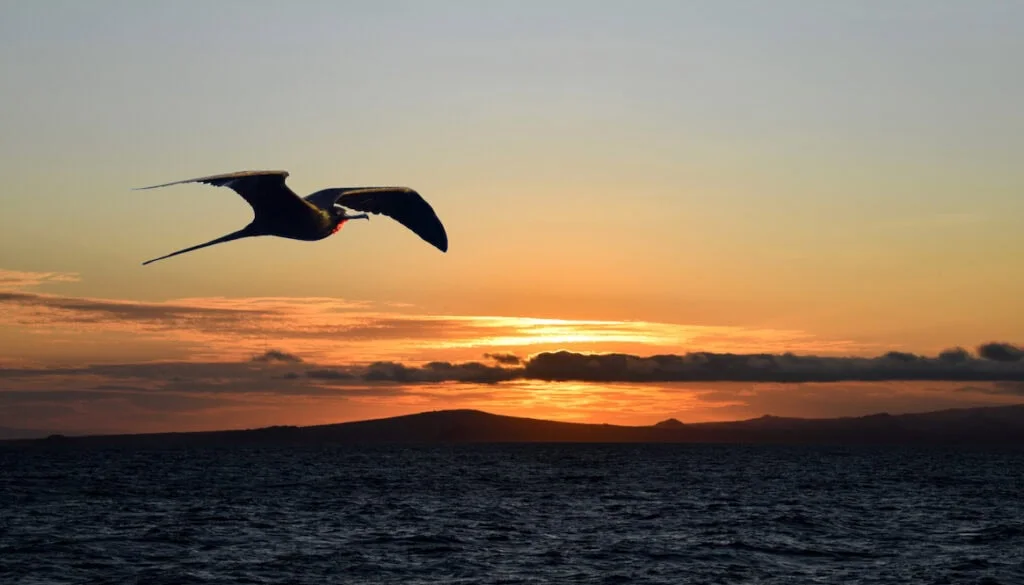
Do not choose your travel month based on one animal alone. My own essentials are a giant tortoise, a blue-footed booby, and a magnificent frigatebird.
What about crowds and prices?
The phrase “low season” can be misleading. Galapagos has demand throughout the year, with peaks influenced by holidays, origin markets, and availability.
Final costs depend on trip length, route, cruise category, accommodation, domestic flights, dates, and how early you book. Cool season does not automatically mean cheap.
I would first choose the time that matches what I want to experience, then find the itinerary that best fits my budget. Starting four to five months in advance generally gives you more options.
So, what is the best time to visit Galapagos?
December–May
Warmer water, comfortable snorkeling, green vegetation, and beach-oriented travel.
June–November
Cooler temperatures, nutrient-rich water, marine wildlife, and seabird activity.
Transition months
April–May or October–November for balance and flexibility.
There is no universal answer. The right time matches what you want to see, how you want to travel, and how much time you have.
Does the best month depend on whether you choose a cruise or island hopping?
Absolutely. For a first visit, I personally lean toward island hopping. Staying on the islands feels immersive: you wake up in the destination, walk around town, visit local restaurants, meet people, and experience everyday island life.
A cruise can reach more remote visitor sites and combine ecosystems within one itinerary. The route may matter just as much as the month.
Decide on your travel style alongside your dates. Compare Galapagos island hopping itineraries with Galapagos cruises.
Final recommendation
There is no single month that is best for everyone. My personal preference is December through May for warmer weather, warmer water, snorkeling, and a tropical feeling.
If marine wildlife and cooler nutrient-rich waters are your priority, June through November may be a better fit. For balance, consider April–May or October–November.
Don’t start by asking “What is the best month?” Start by asking “What do I want from my Galapagos trip?”
Ready to plan your Galapagos journey?
Start by comparing the two main ways to explore the islands.
Wildlife sightings and weather conditions are naturally variable. Seasonal patterns are useful for planning, but should never be treated as guarantees.
Continue exploring