1
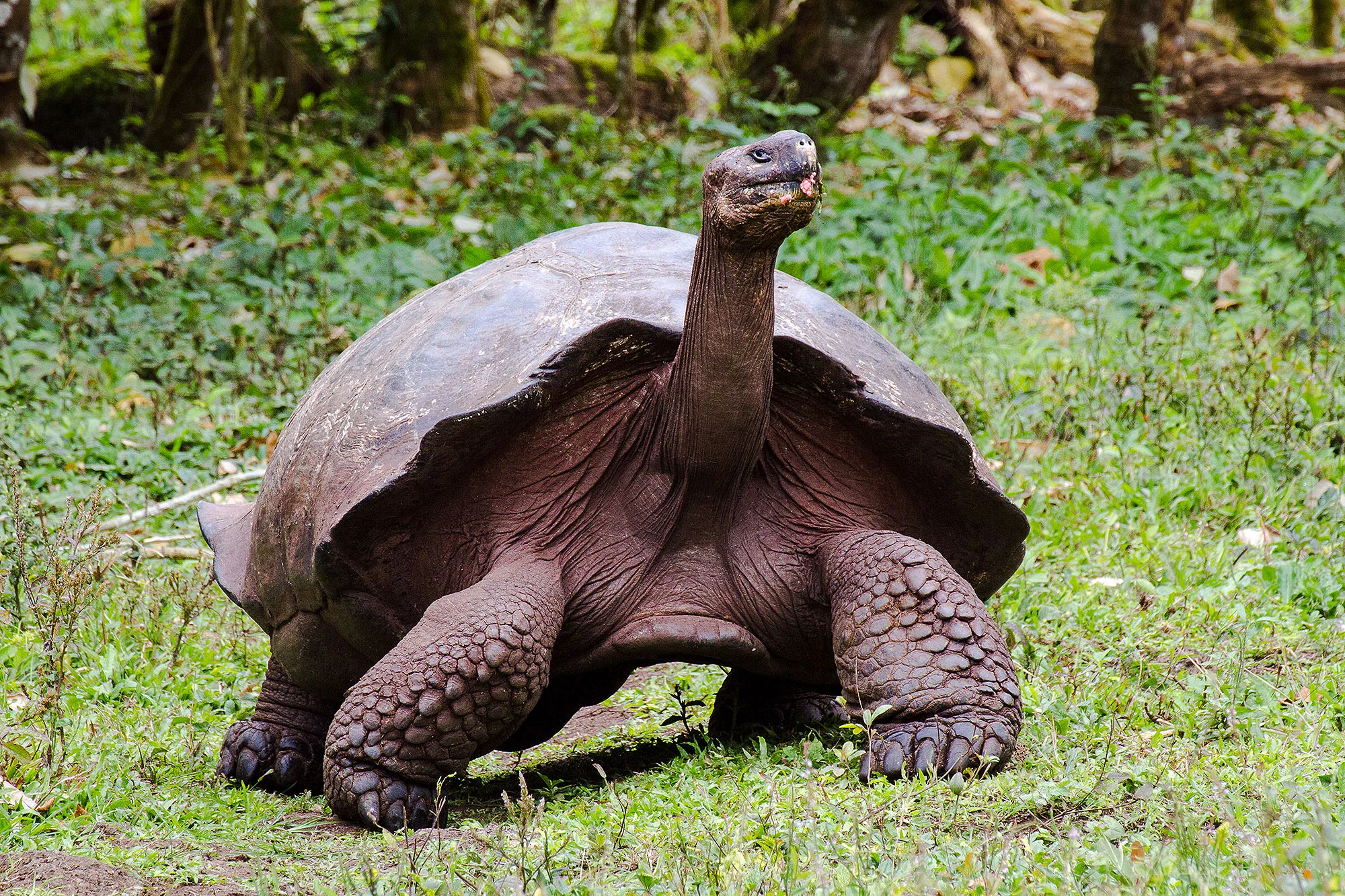
Giant Galapagos Tortoise
The legendary giant tortoise is the most enduring symbol of the Galapagos Islands, capable of living for more than a century.
Very Common

A Guide to the Galapagos Wildlife
From playful sea lions resting along the beaches to giant tortoises roaming the highlands and blue-footed boobies nesting on volcanic cliffs, these are some of the most iconic wildlife encounters travelers can experience throughout the Galapagos Islands. Exploring different islands and ecosystems across the archipelago reveals an extraordinary diversity of animals that can often be observed surprisingly close in their natural habitats.
The more islands and marine environments you explore, the greater the opportunity to encounter the remarkable wildlife that makes the Galapagos one of the world's most unforgettable nature destinations.
Wildlife Encounter Scale
Very Common
Common
Occasional
Rare
Very Rare
The legendary giant tortoise is the most enduring symbol of the Galapagos Islands, capable of living for more than a century.
Very Common
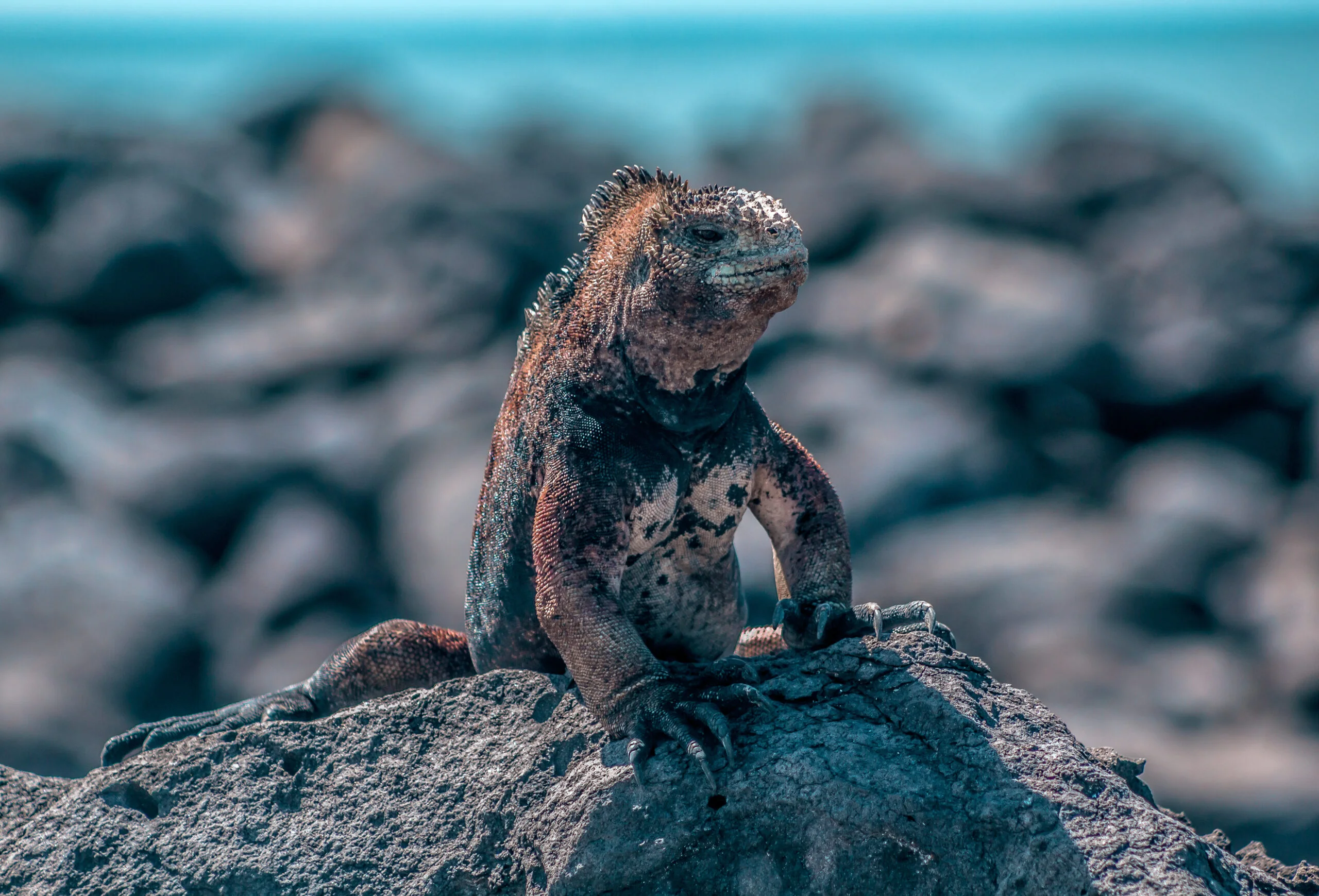
The world's only marine lizard, uniquely adapted to forage along the volcanic shores of the archipelago.
Very Common
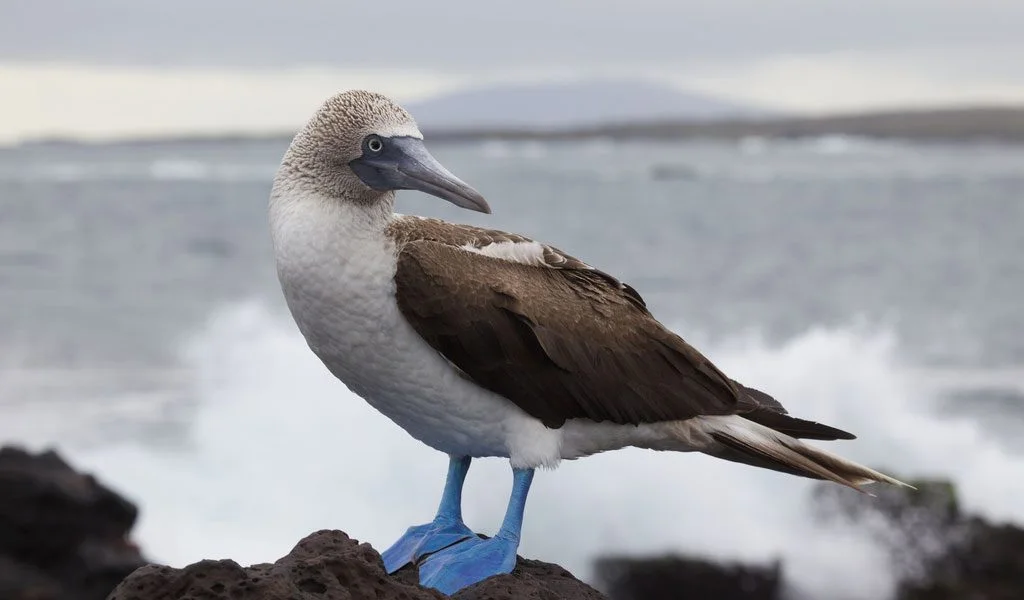
Famous for its vibrant blue feet and captivating courtship dance, this seabird has become an icon of Galapagos wildlife.
Very Common
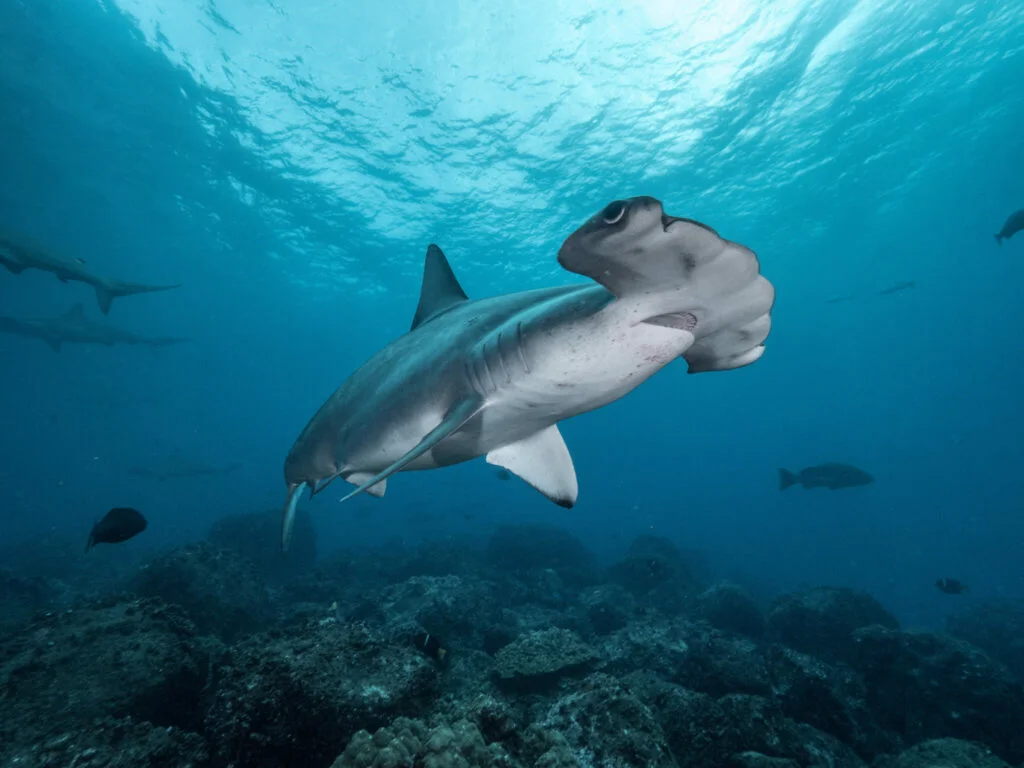
Large schools of hammerhead sharks glide through the nutrient-rich waters surrounding the remote islands of the marine reserve.
Occasional
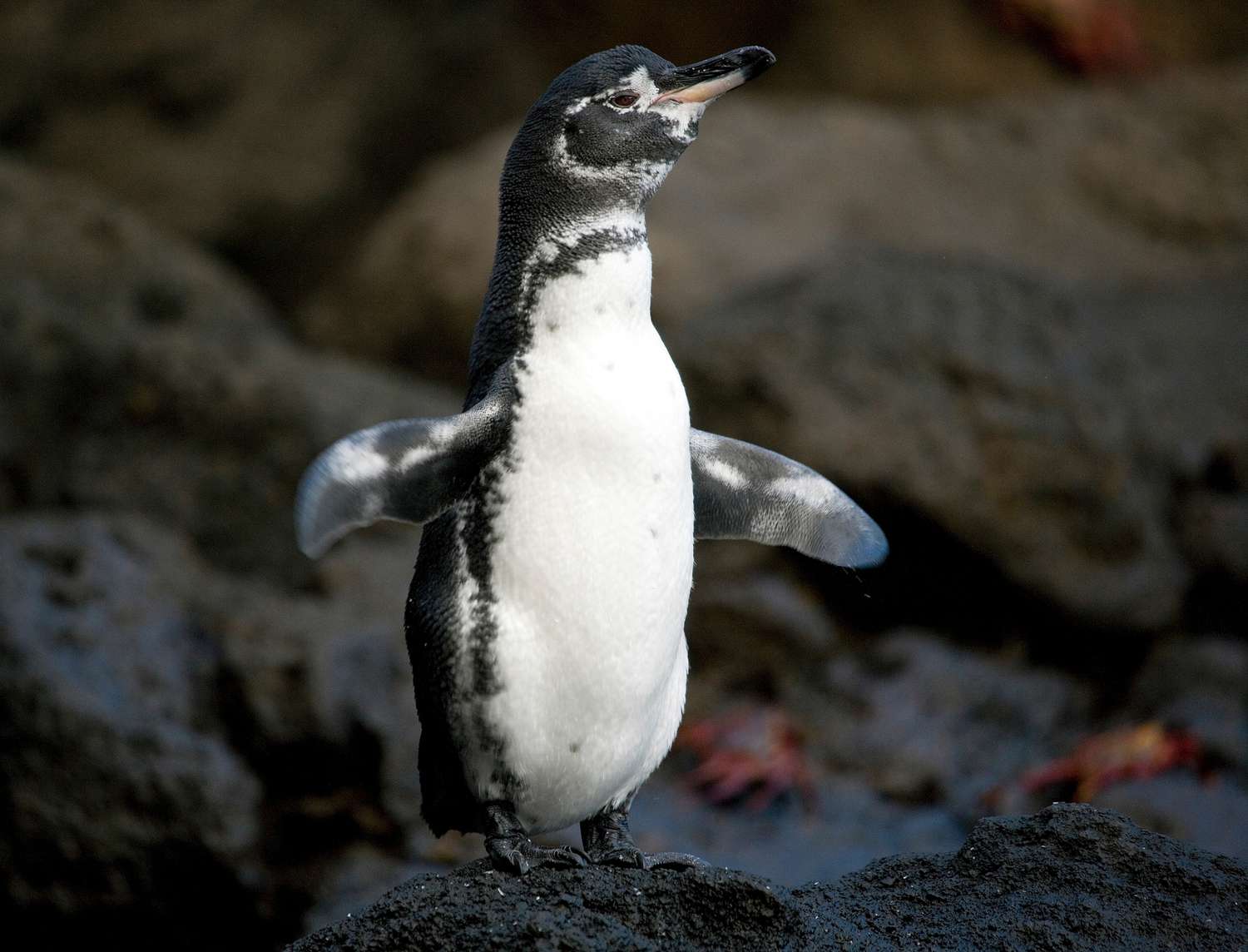
One of the rarest penguin species in the world and the only penguin naturally found north of the equator.
Occasional
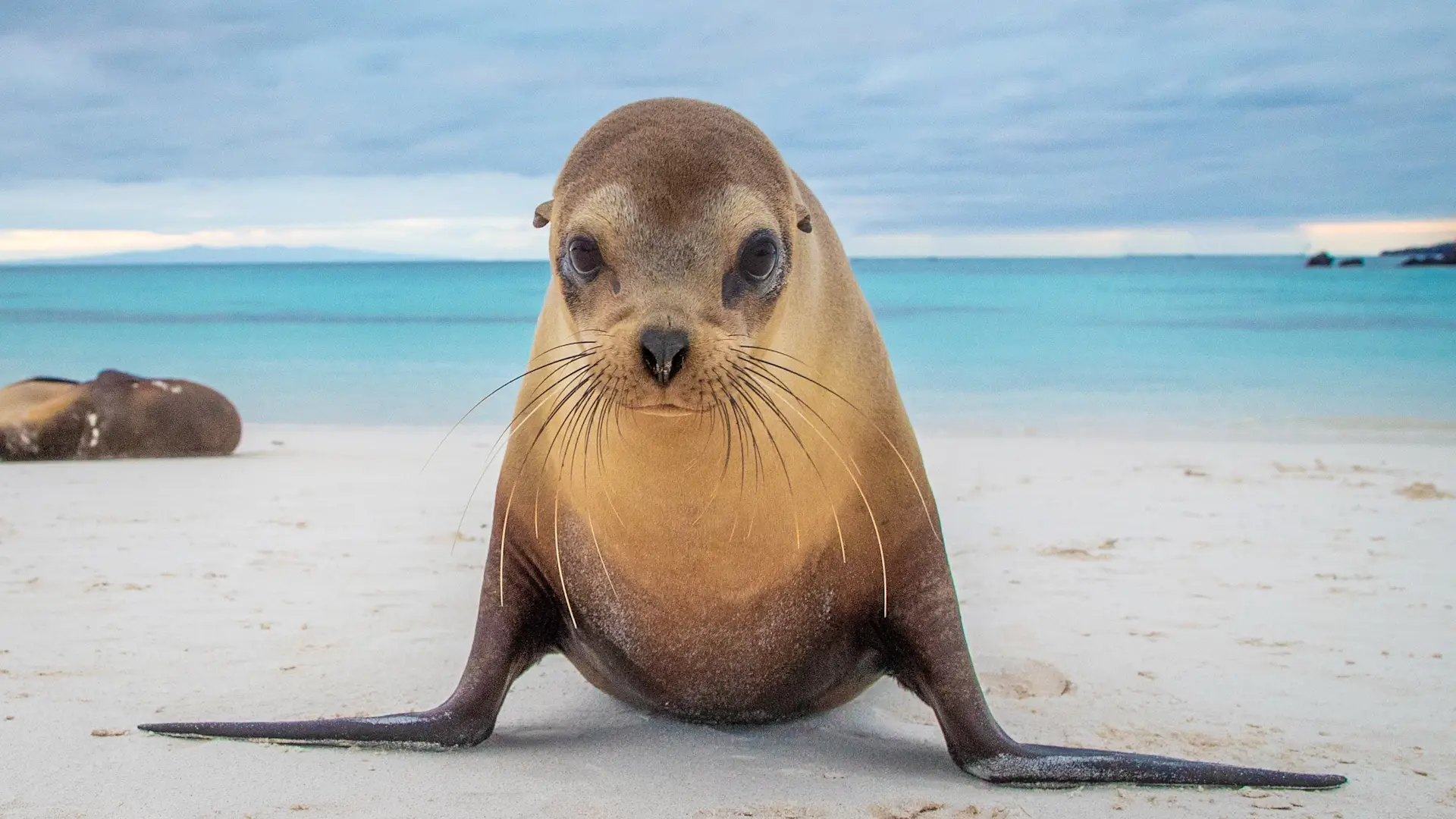
Curious, playful, and often found resting on beaches and docks throughout the islands.
Very Common
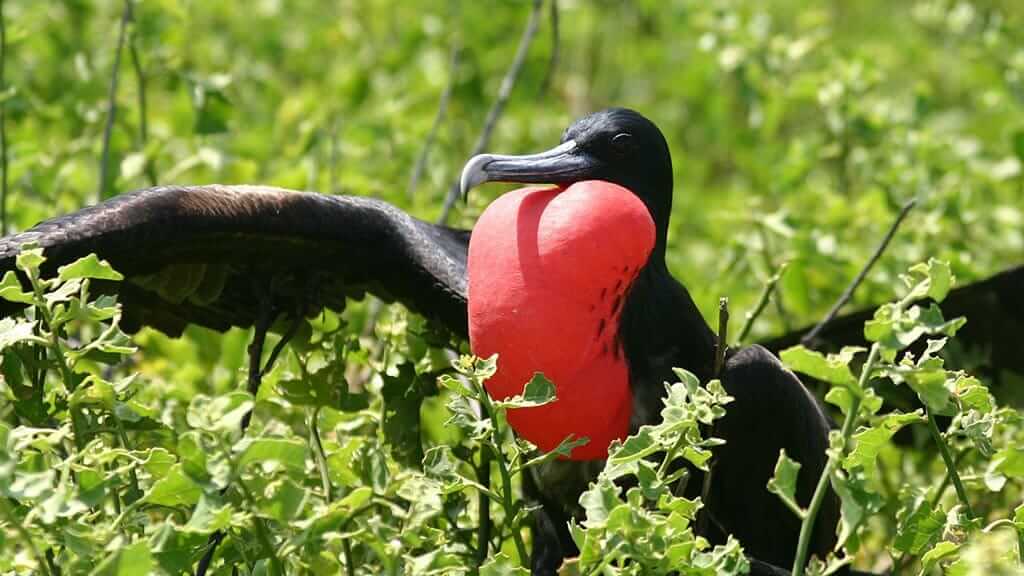
Recognizable by the male's striking inflatable red throat pouch used during courtship displays.
Very Common
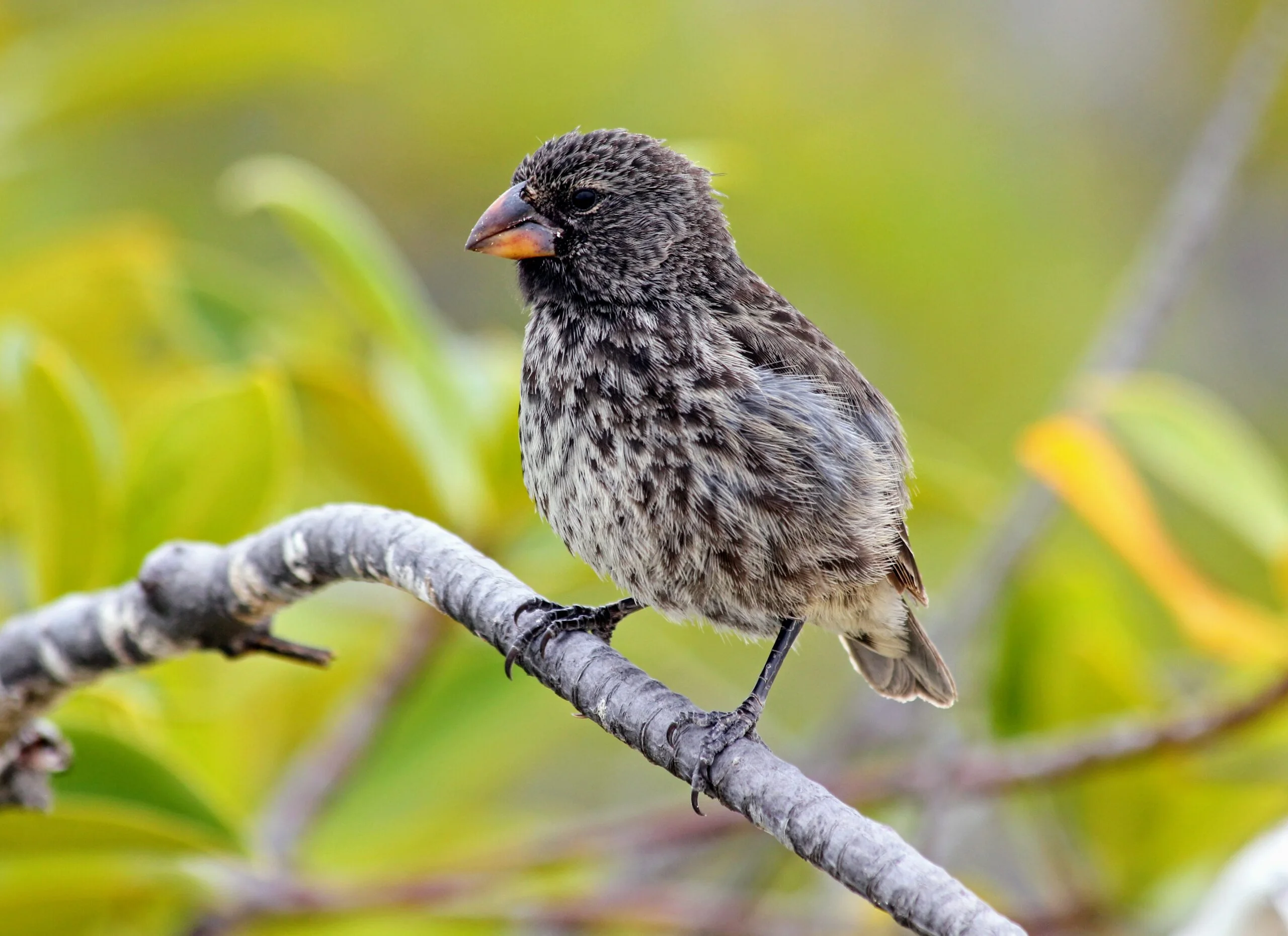
These small birds helped inspire Charles Darwin's understanding of evolution and natural selection.
Common
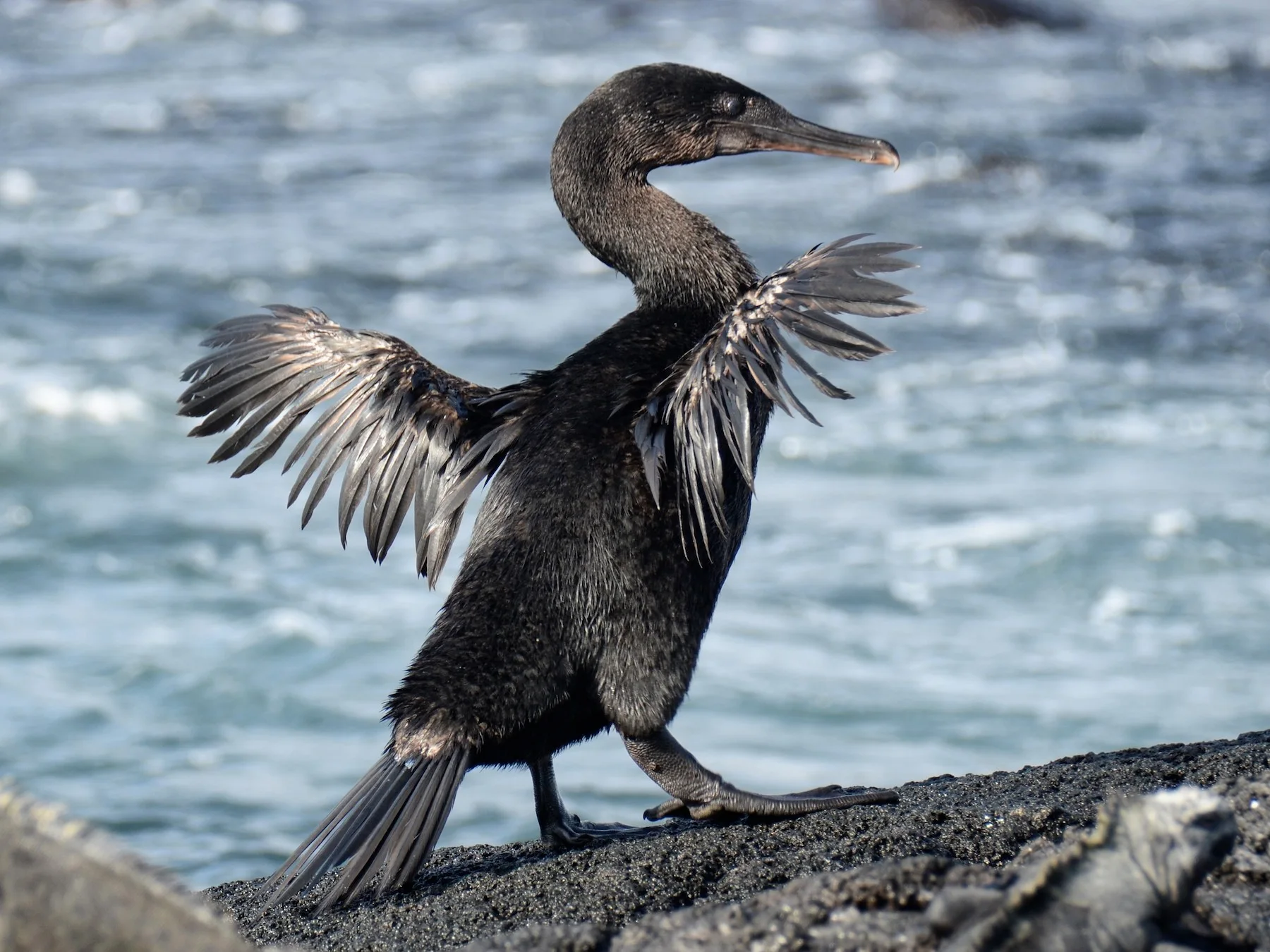
An extraordinary endemic bird that evolved without the ability to fly due to the isolated conditions of the Galapagos.
Rare
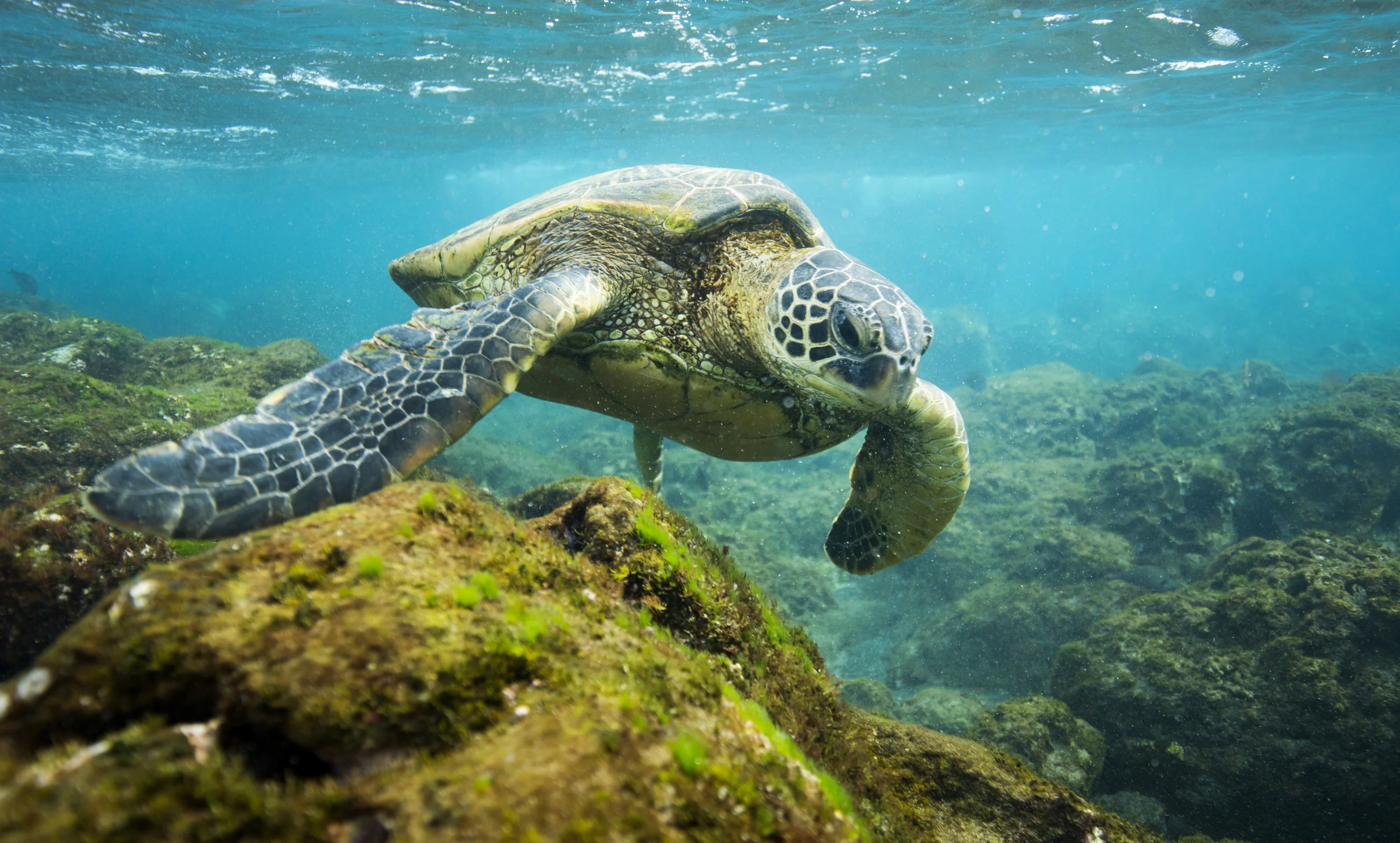
Gracefully swimming through the warm Pacific waters, green sea turtles are commonly seen while snorkeling across the archipelago.
Common
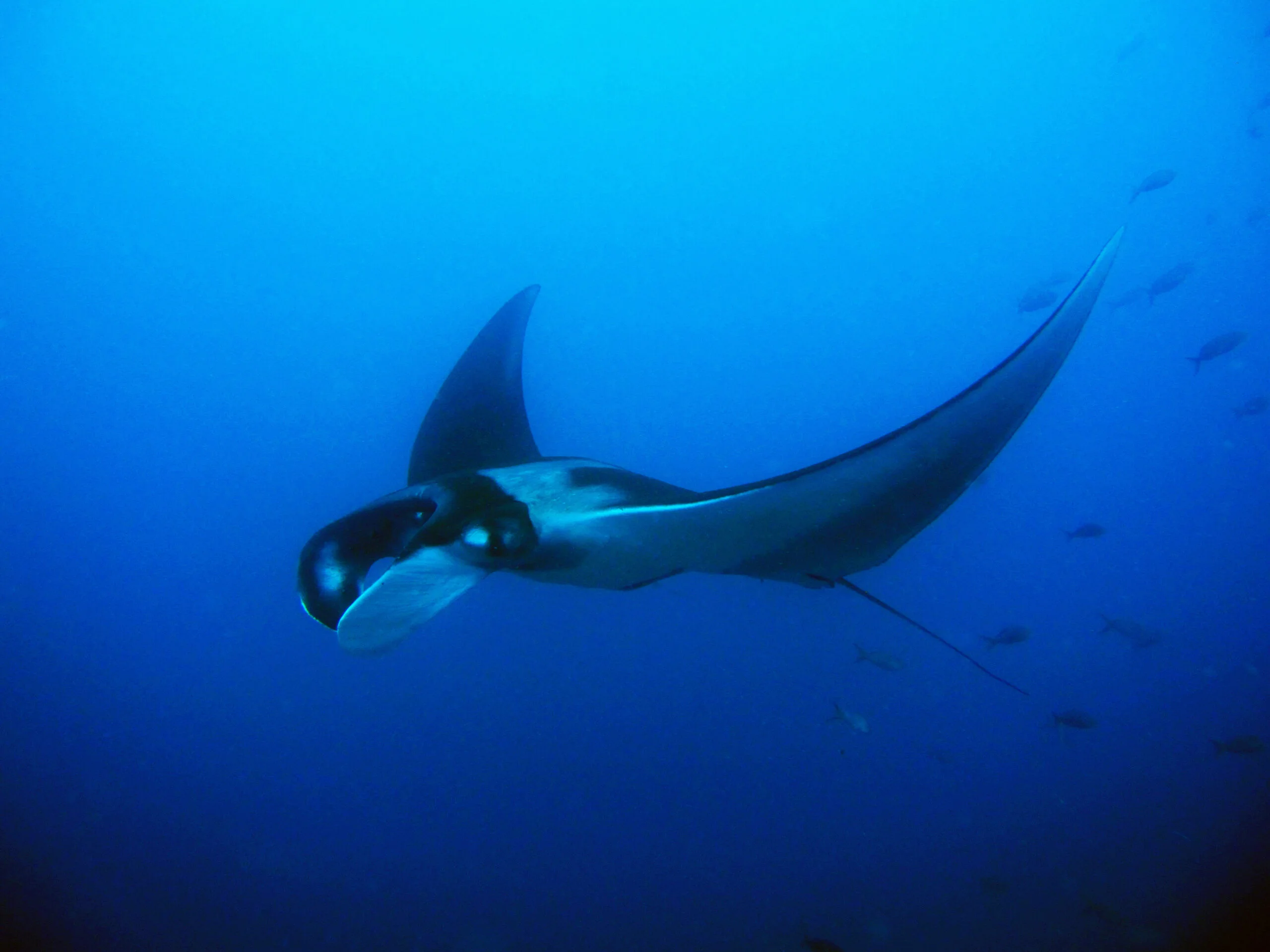
Gracefully gliding through the nutrient-rich waters of the Galapagos Marine Reserve, giant manta rays are among the archipelago's most breathtaking marine encounters.
Rare
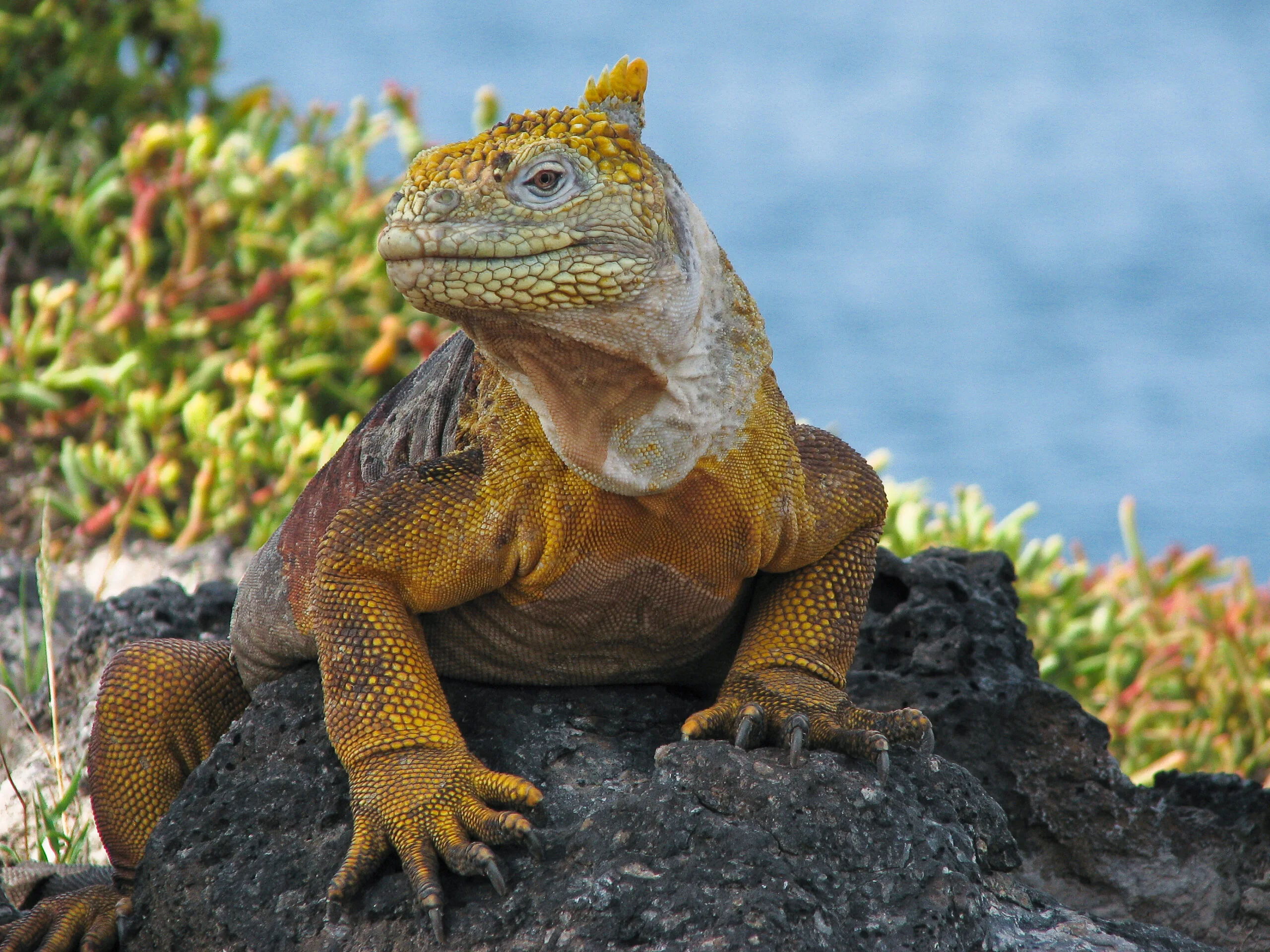
These striking yellow reptiles inhabit the arid landscapes of several islands and are among the most recognizable endemic species of the archipelago.
Common
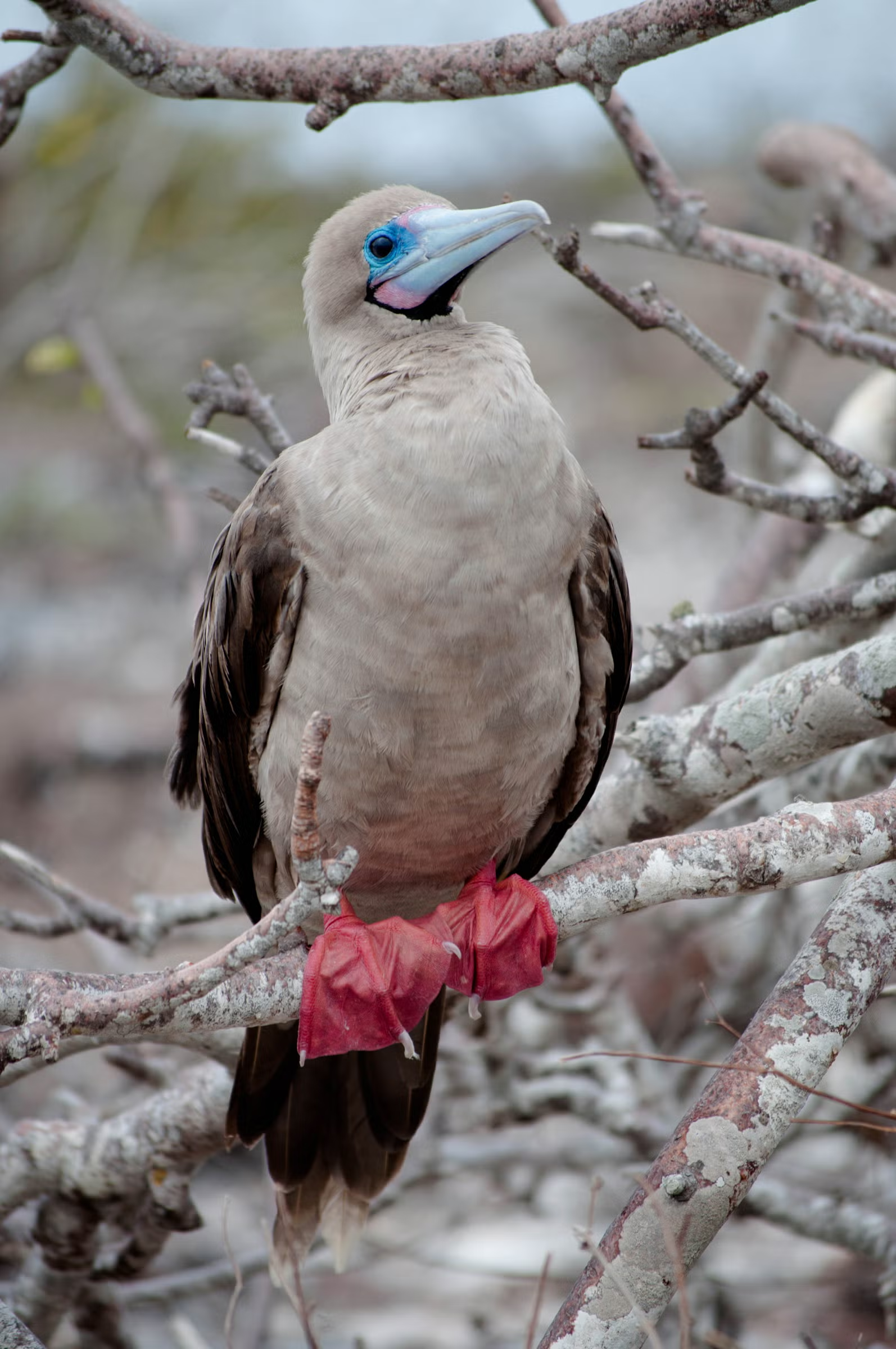
Known for its distinctive red feet and nesting habits in coastal shrubs and trees, this seabird is especially common on Genovesa Island.
Rare
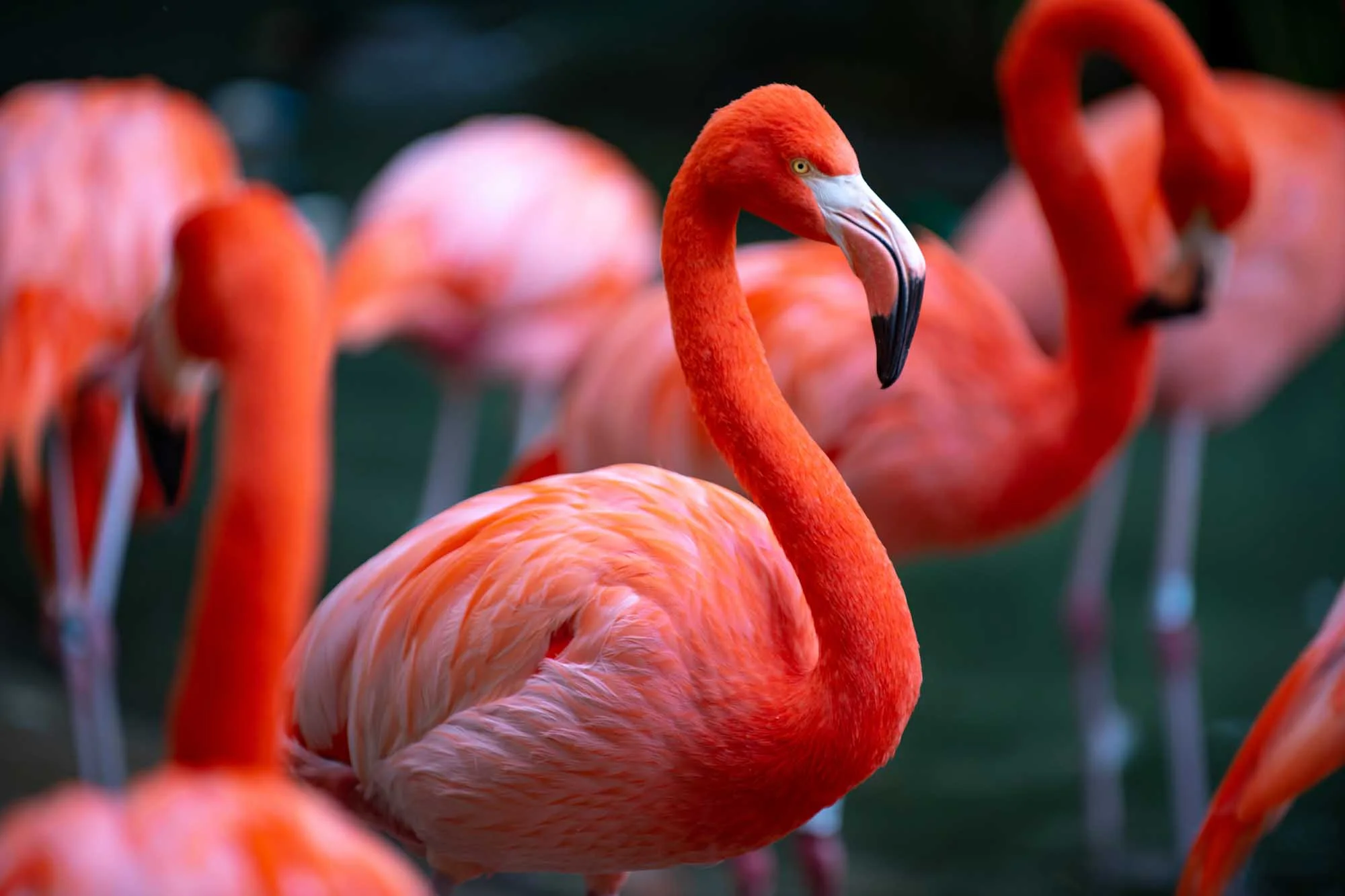
Often found in coastal lagoons and wetlands, flamingos add vibrant color to the volcanic landscapes of the Galapagos Islands.
Occasional
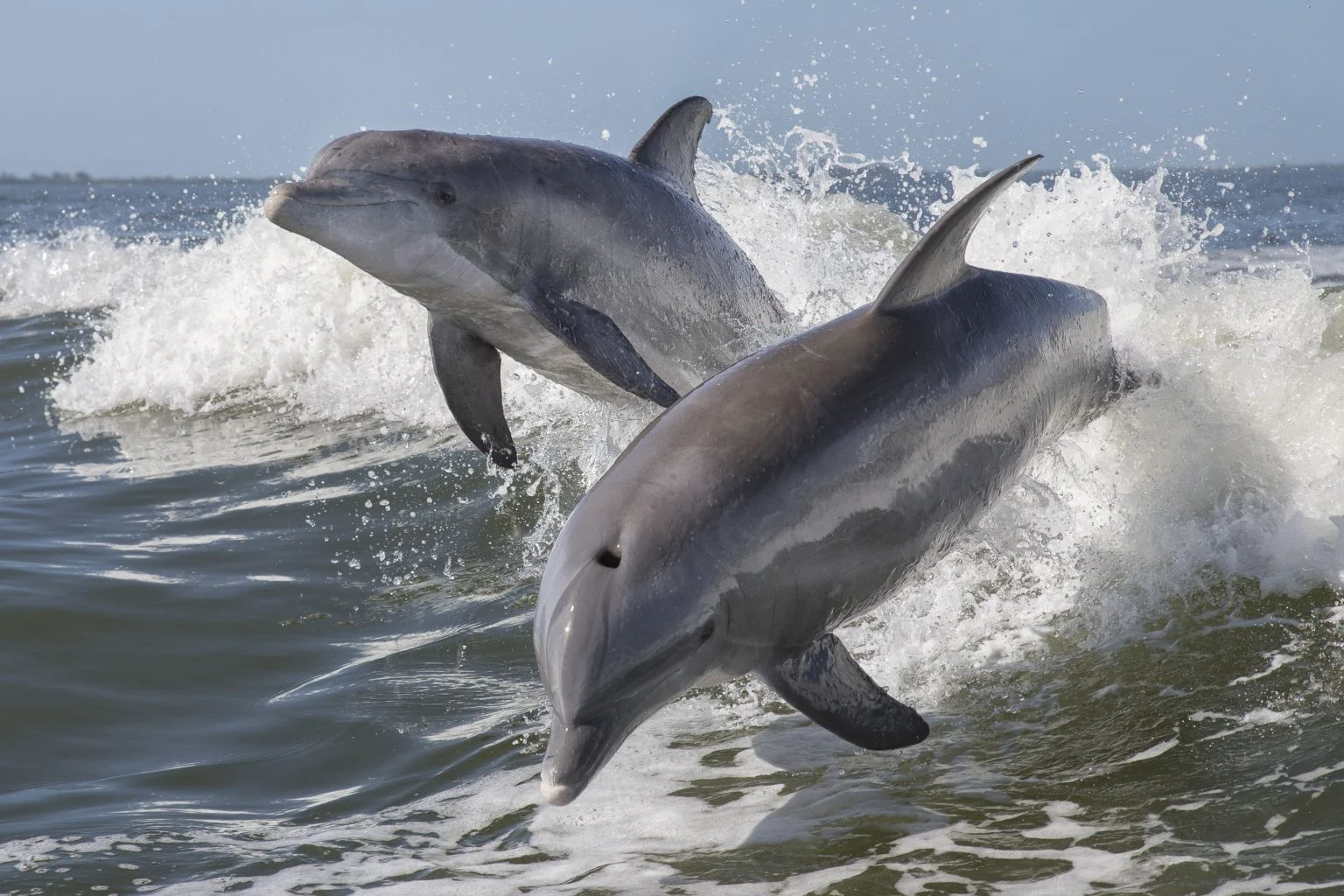
Playful and highly intelligent, bottlenose dolphins are frequently seen swimming alongside boats throughout the archipelago.
Occasional
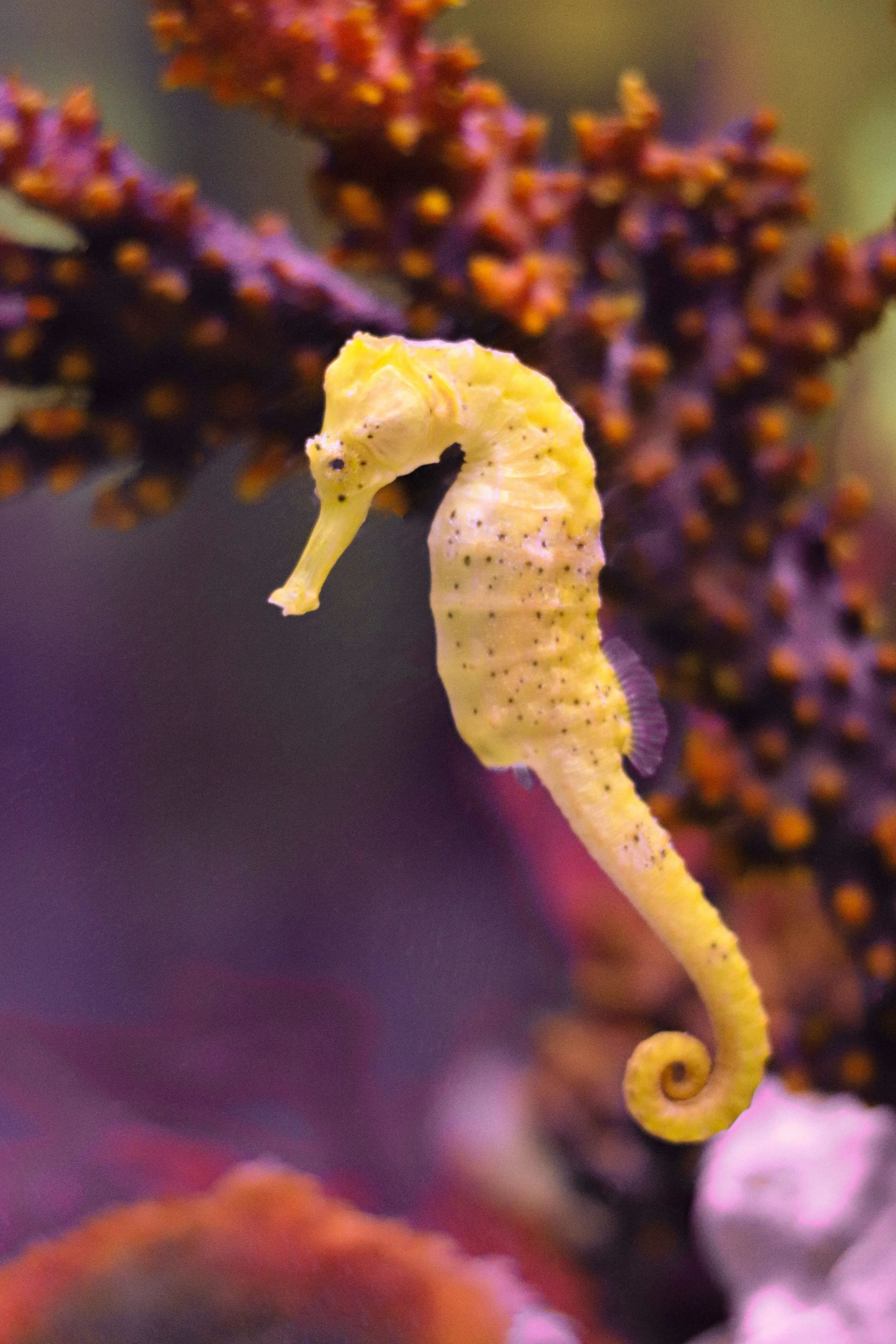
Camouflaged among coral and rocky marine habitats, Pacific seahorses are one of the Galapagos' more elusive underwater species.
Very Rare
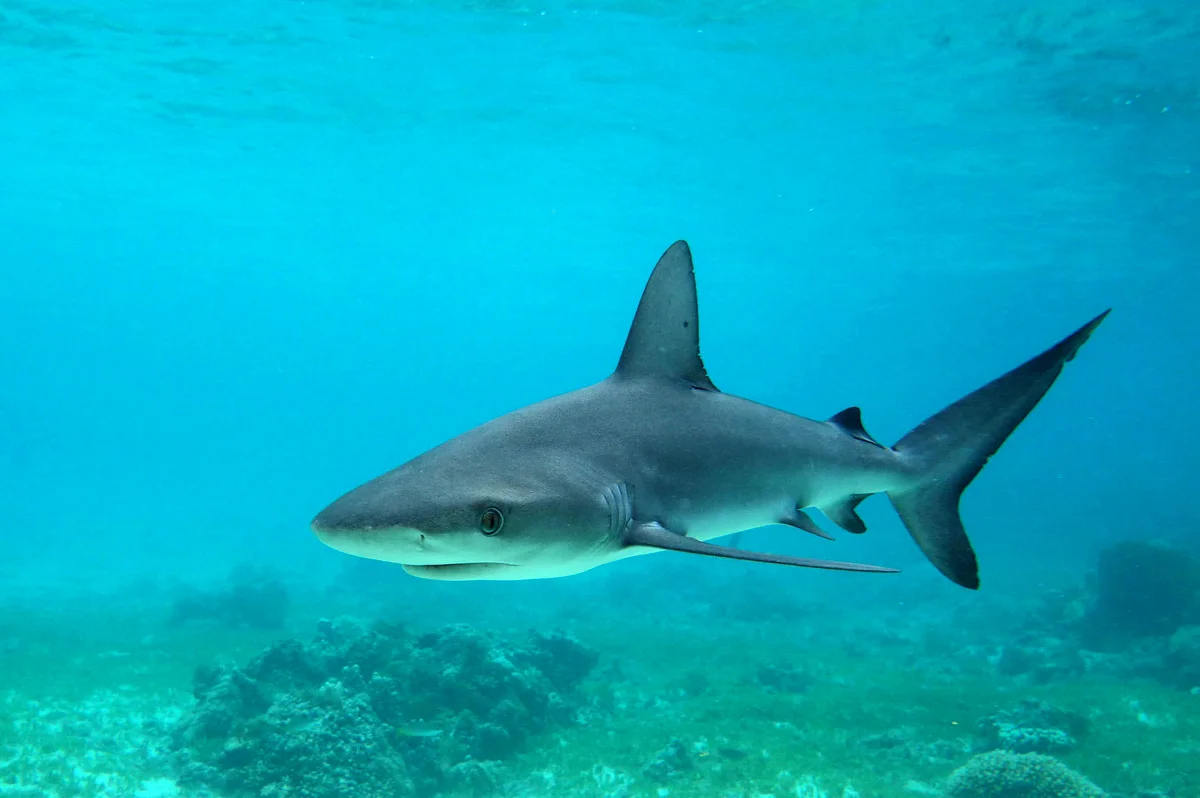
A powerful predator commonly found in the protected waters of the marine reserve and around remote volcanic islands.
Rare
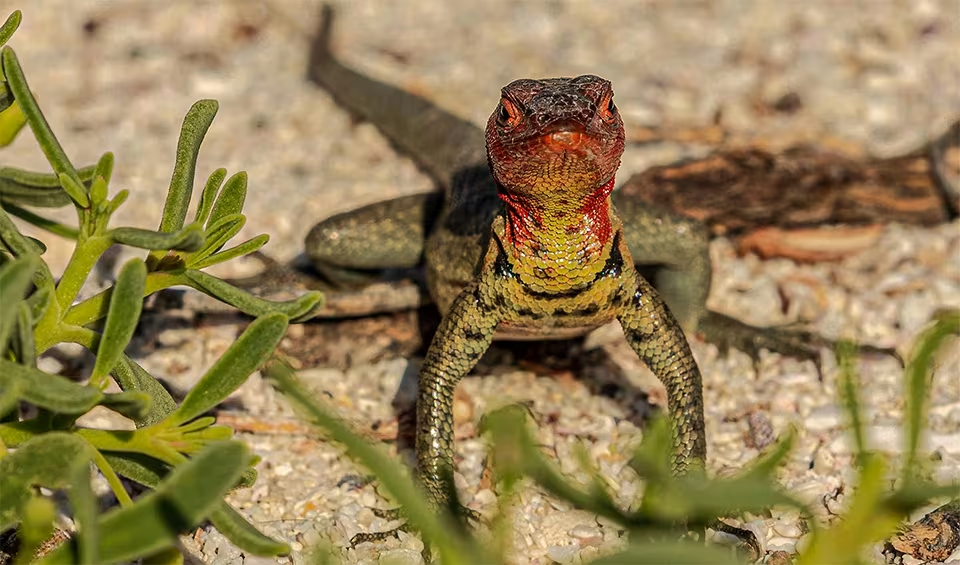
These small endemic reptiles can be seen darting across lava rocks and coastal trails throughout many islands of the archipelago.
Very Common
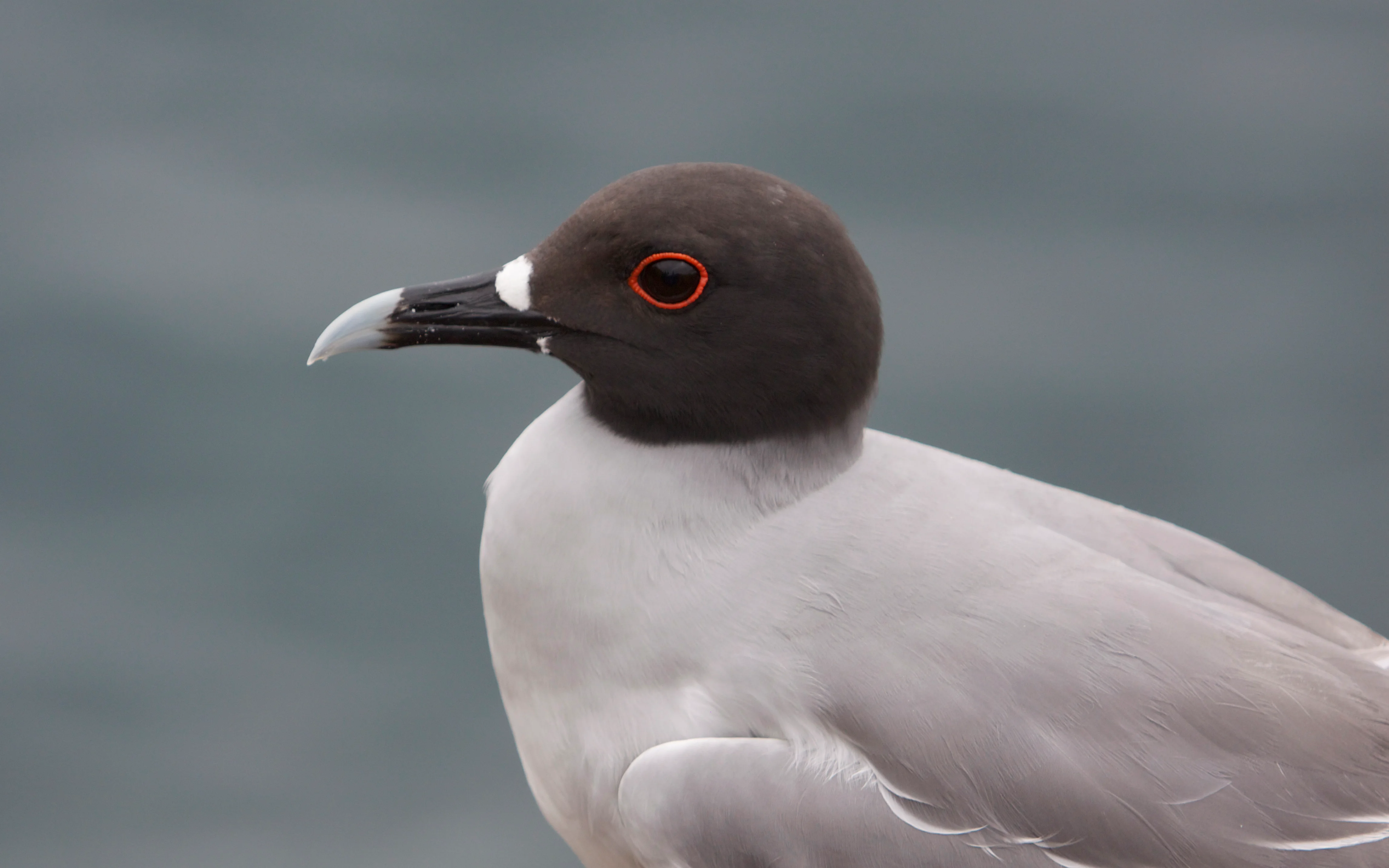
The world's only nocturnal gull, recognized for its striking red eye-ring and elegant nighttime hunting behavior.
Occasional
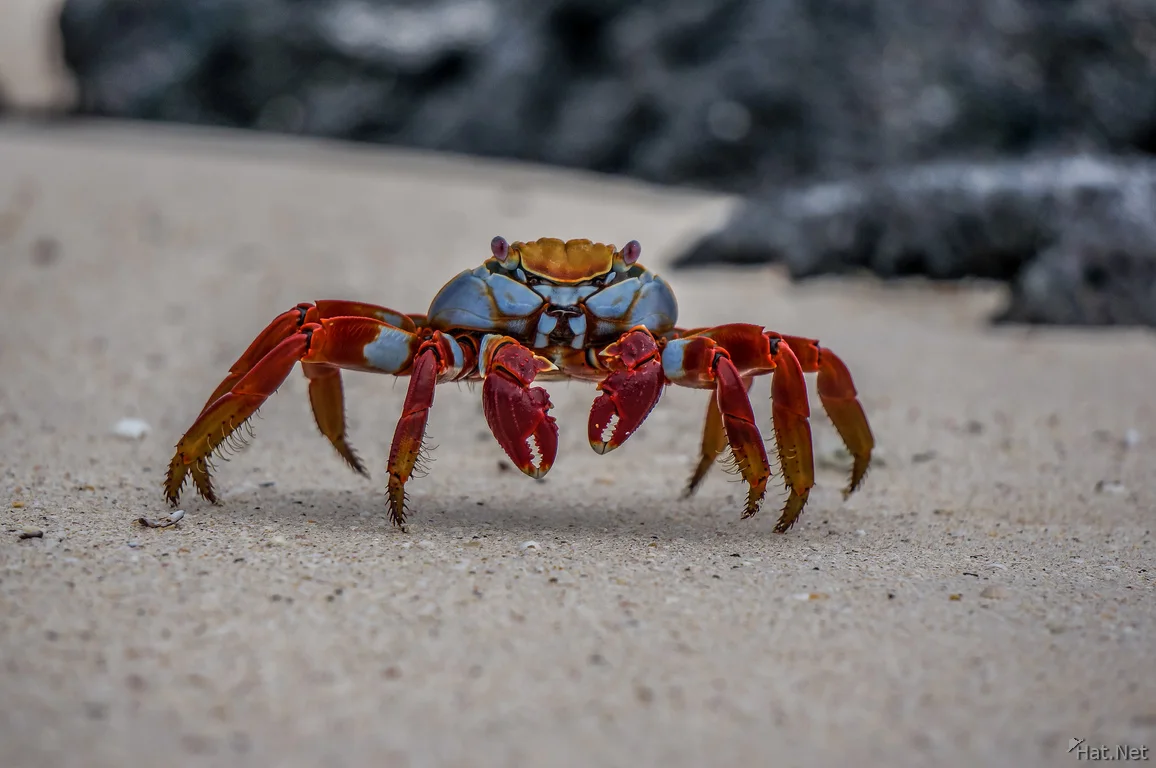
Famous for its vibrant red, orange, and blue coloration, this agile crab is commonly seen along volcanic shorelines beside marine iguanas.
Very Common
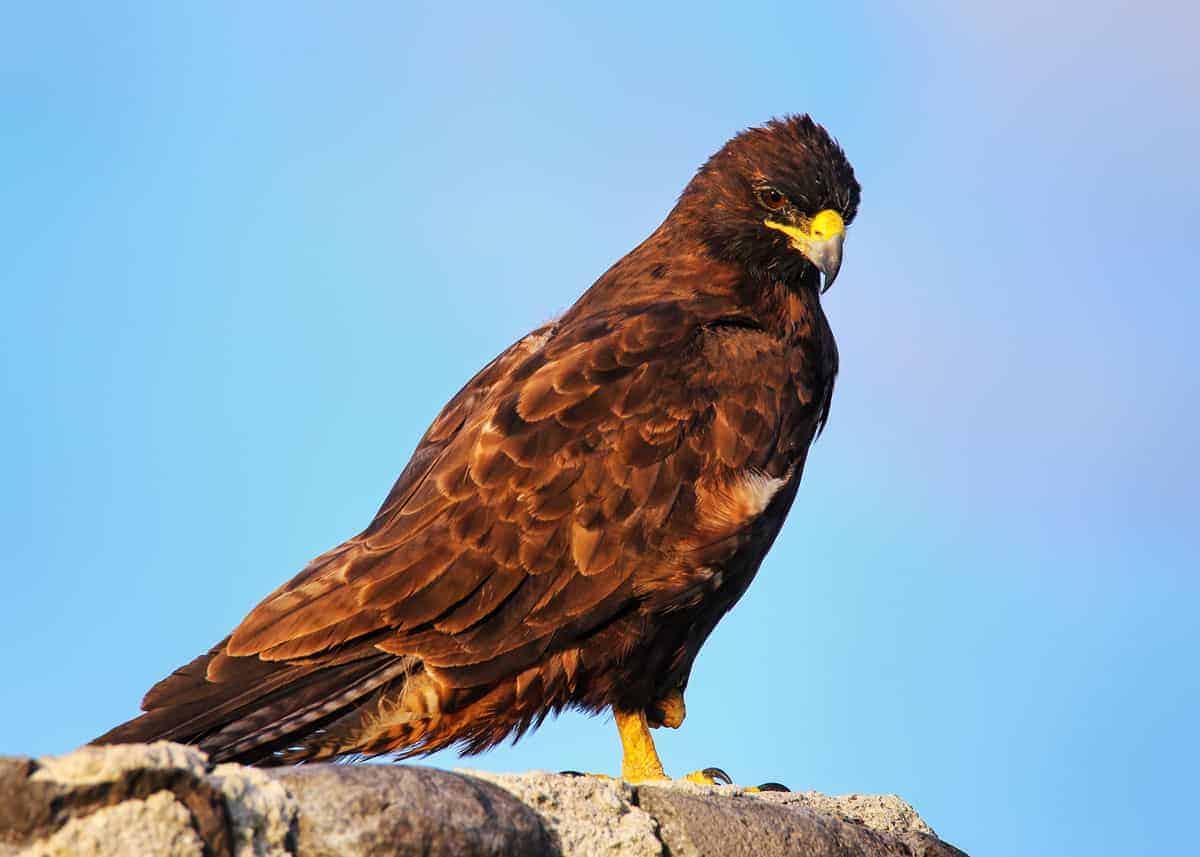
One of the archipelago's only native predators, often seen soaring above volcanic landscapes and rocky coastlines.
Rare
Can you spot all 21 on your next journey?
Wildlife of the Archipelago
The Galapagos Islands are home to one of the most extraordinary wildlife ecosystems on Earth. Shaped by millions of years of geographic isolation in the Pacific Ocean, the archipelago became a sanctuary for unique species found nowhere else in the world.
From marine iguanas resting on volcanic shores and giant tortoises roaming the highlands to blue-footed boobies, sea lions, penguins, and schools of hammerhead sharks, the islands offer an unparalleled connection with nature in its purest form.
Well-designed island hopping adventures or expedition cruises help travelers explore this wildlife carefully while understanding evolution, biodiversity, and the fragile ecosystems that make this destination remarkable.
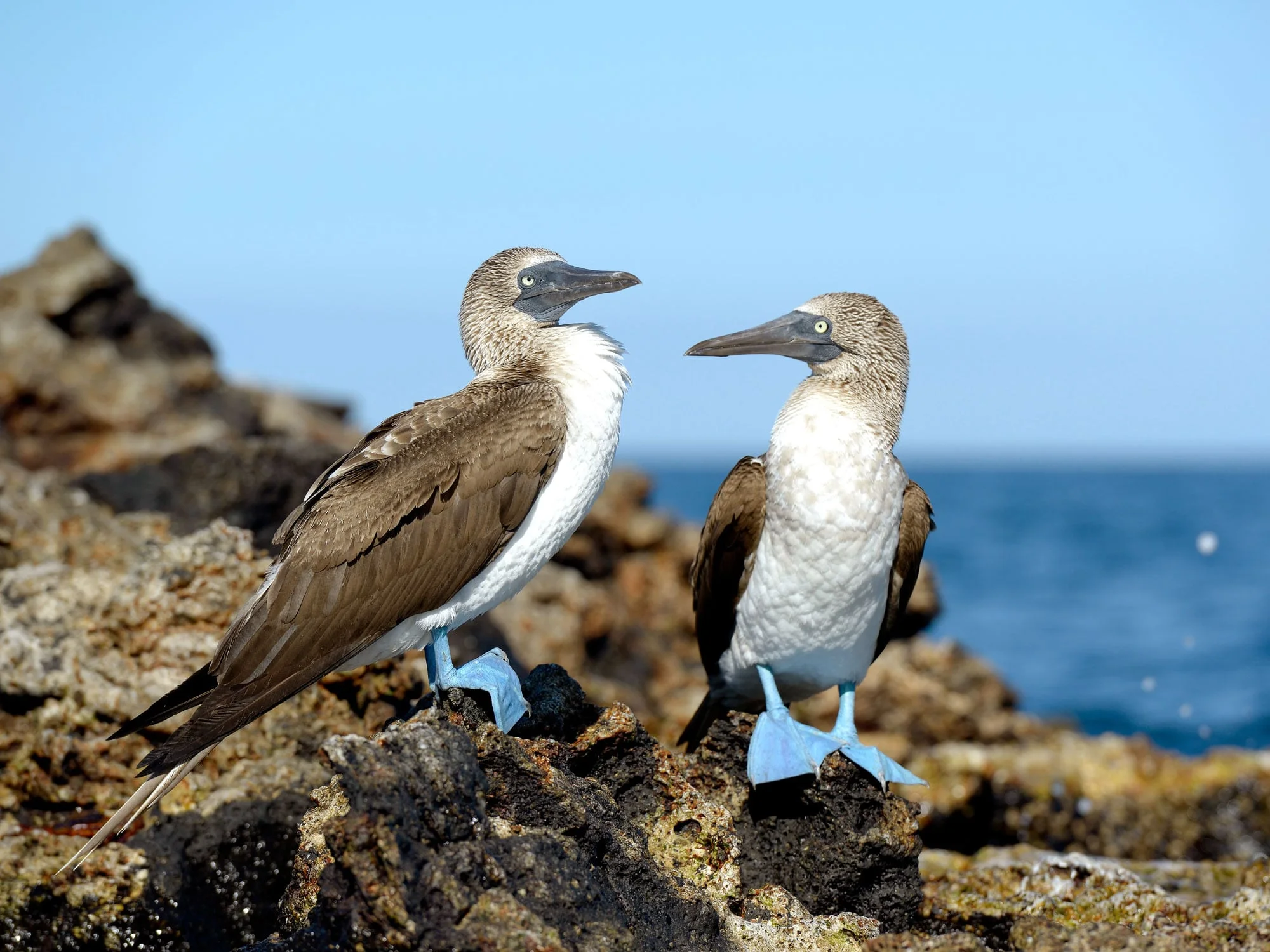
Blue-footed boobies, marine iguanas, sea lions, and giant tortoises are not just sightings; they are part of the islands' living story.
The Galapagos Islands support an extraordinary range of wildlife across marine ecosystems, volcanic coastlines, highland environments, and remote island habitats. From endemic reptiles and seabirds to marine predators and migratory species, each category of wildlife contributes to the unique biodiversity that defines the archipelago.
1. Marine Life
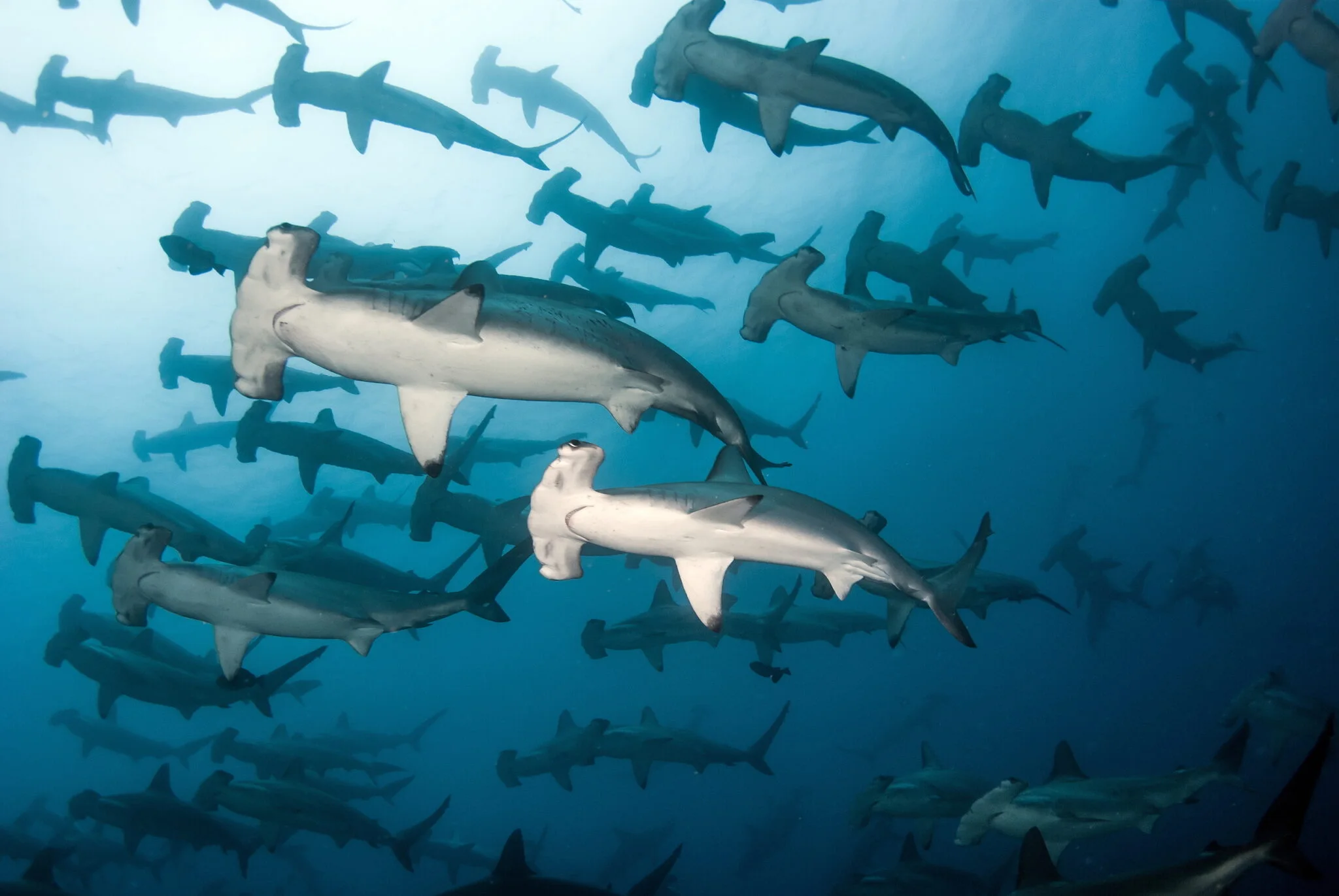
The waters surrounding the Galapagos Islands are among the most biologically rich marine ecosystems in the world. Influenced by major ocean currents, the archipelago attracts an incredible diversity of marine life throughout the year.
From hammerhead sharks and manta rays to green sea turtles, dolphins, and playful sea lions, the Galapagos Marine Reserve offers some of the planet's most remarkable underwater wildlife encounters.
Manta Ray
Green Sea Turtle
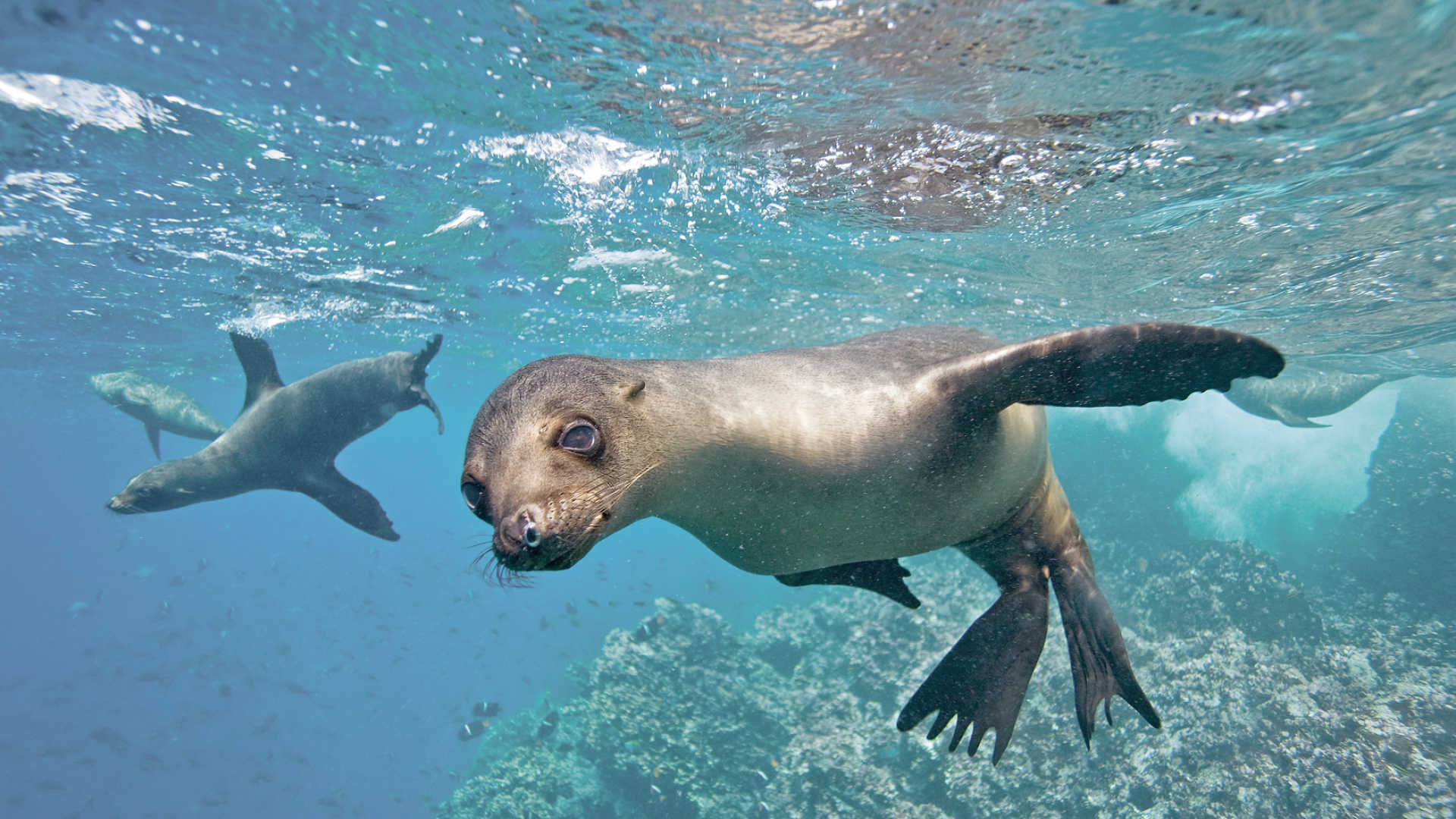
Sea Lion
Dolphins
2. Birds
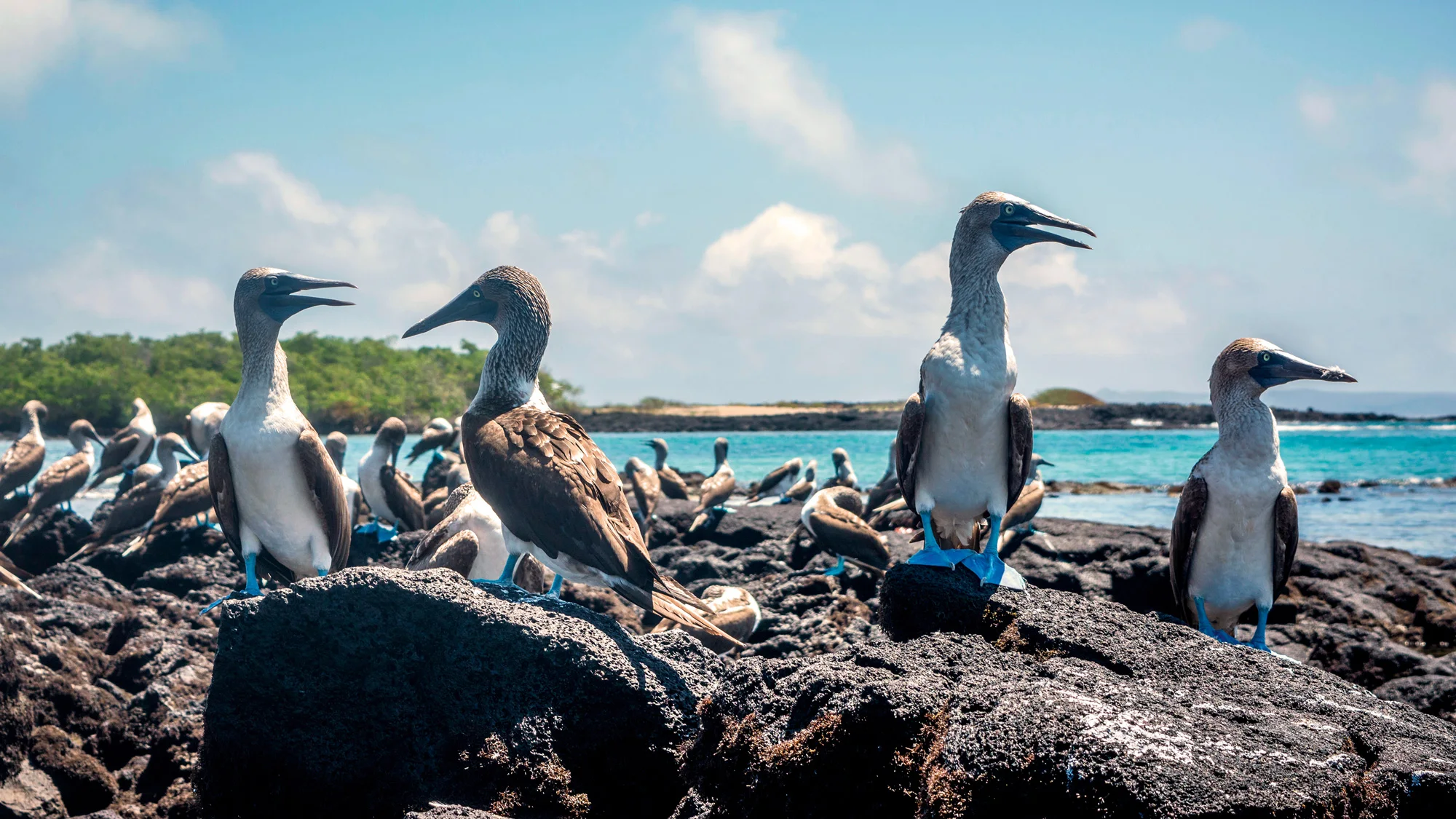
The Galapagos Islands are home to some of the most distinctive seabirds and endemic bird species in the world. Isolated across remote islands and volcanic coastlines, many of these birds evolved unique behaviors and adaptations rarely seen elsewhere.
Blue-footed boobies, magnificent frigatebirds, waved albatrosses, and Darwin's finches are among the most iconic bird species found throughout the archipelago, attracting birdwatchers, photographers, and nature enthusiasts from around the globe.
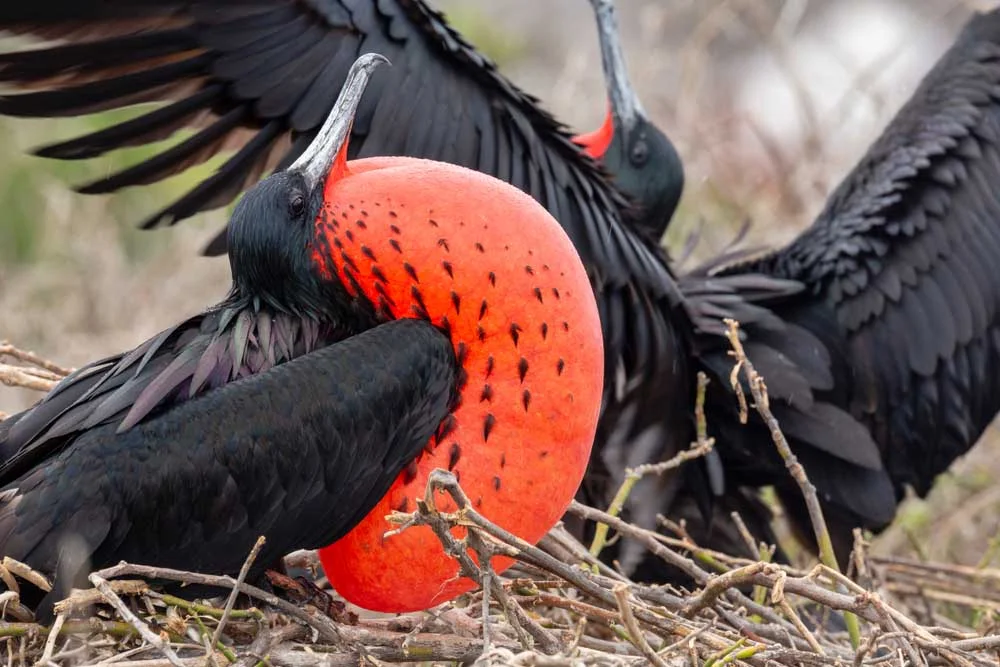
Frigatebird
Darwin's Finch
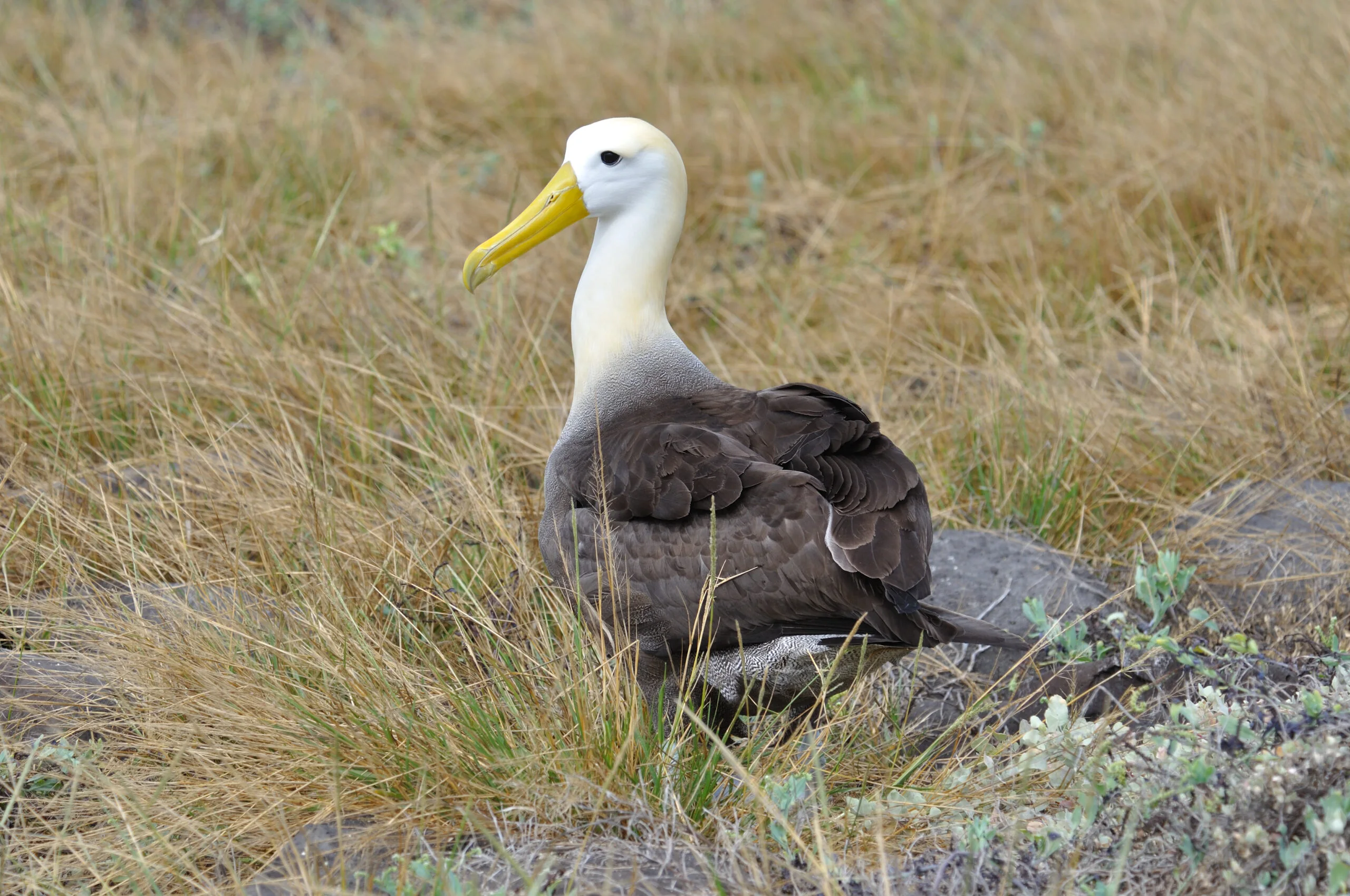
Waved Albatross
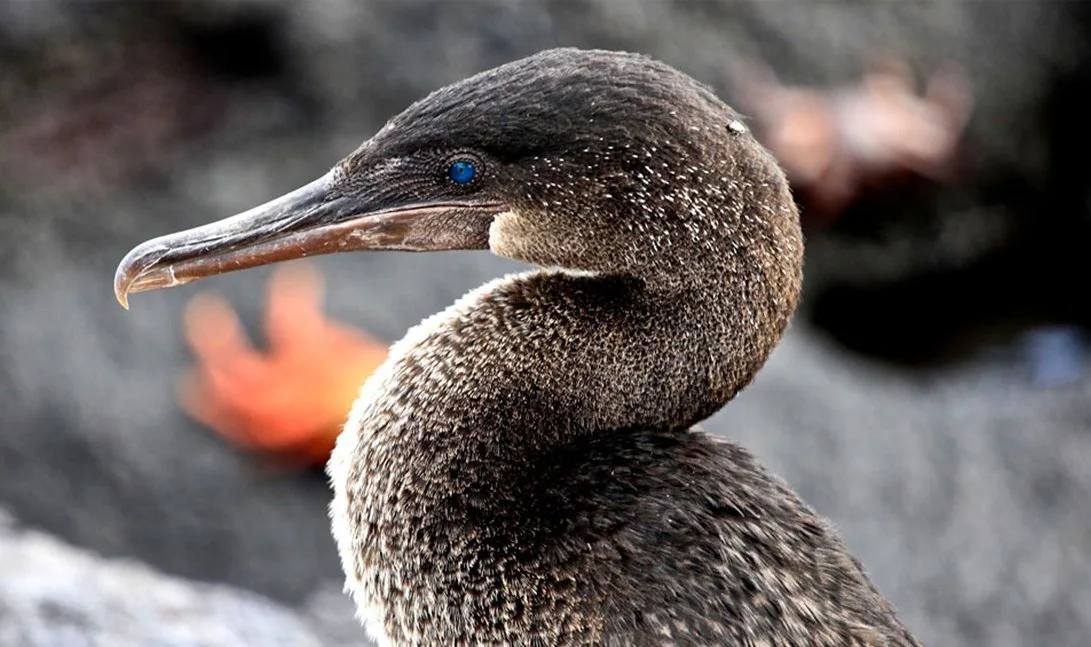
Flightless Cormorant
3. Reptiles
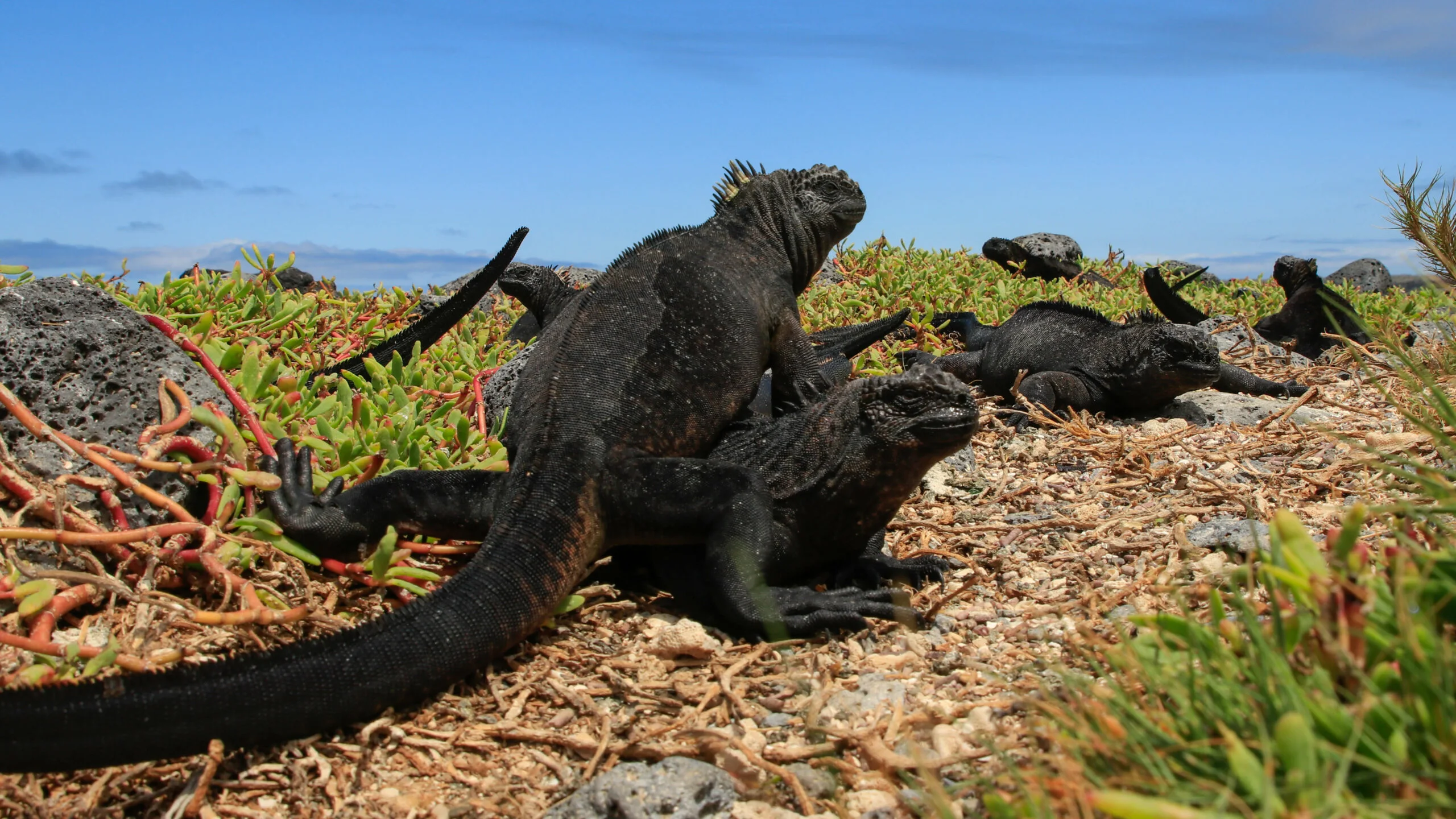
The reptiles of the Galapagos Islands represent some of the archipelago's most remarkable evolutionary adaptations. Separated from continental ecosystems for millions of years, these species evolved to survive within volcanic landscapes, coastal environments, and isolated island habitats.
Marine iguanas, giant tortoises, and lava lizards have become enduring symbols of the Galapagos and continue to play an important role in the scientific and ecological identity of the islands.
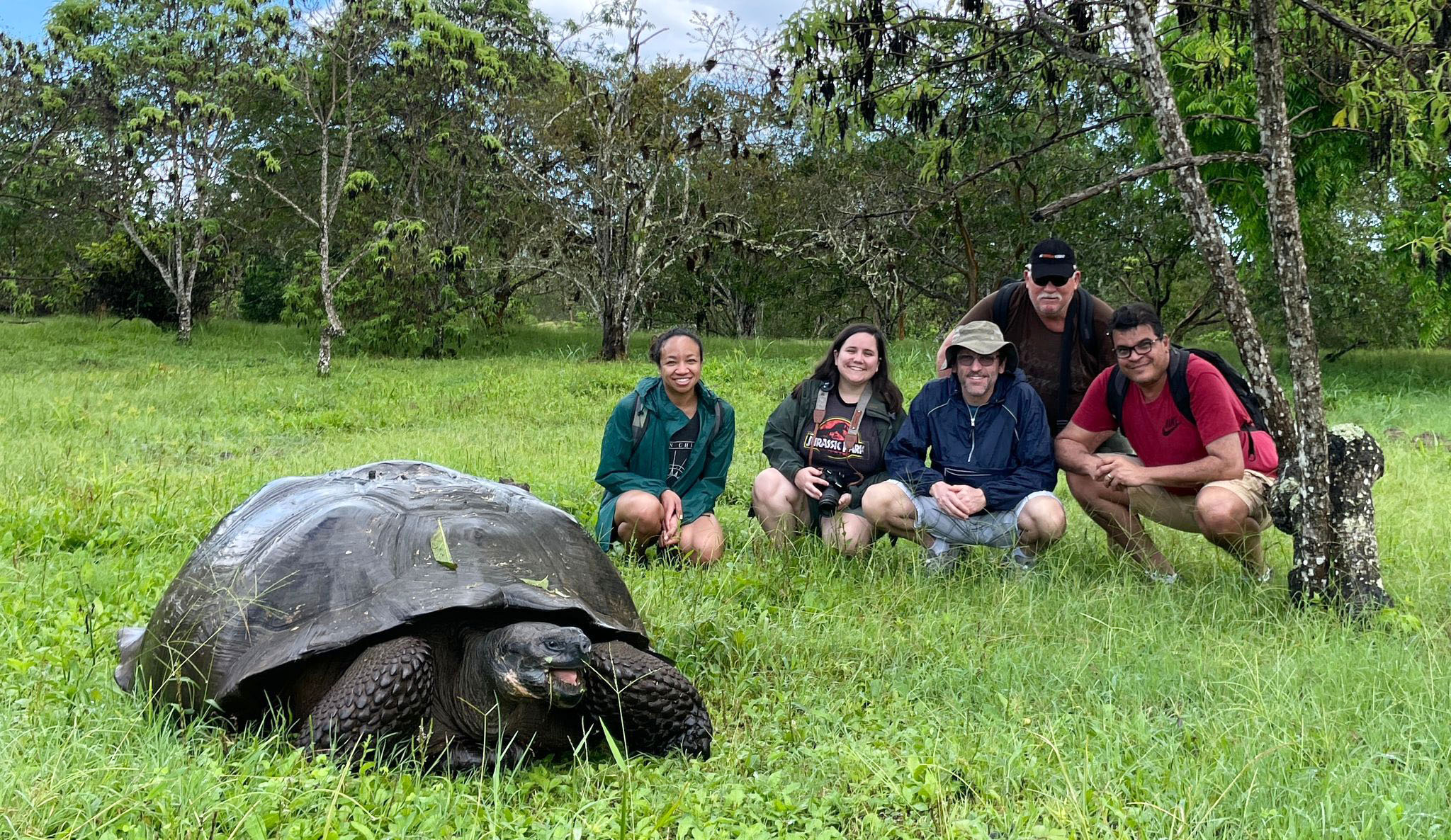
Giant Tortoise
Lava Lizard
Land Iguana
4. Endemic Species
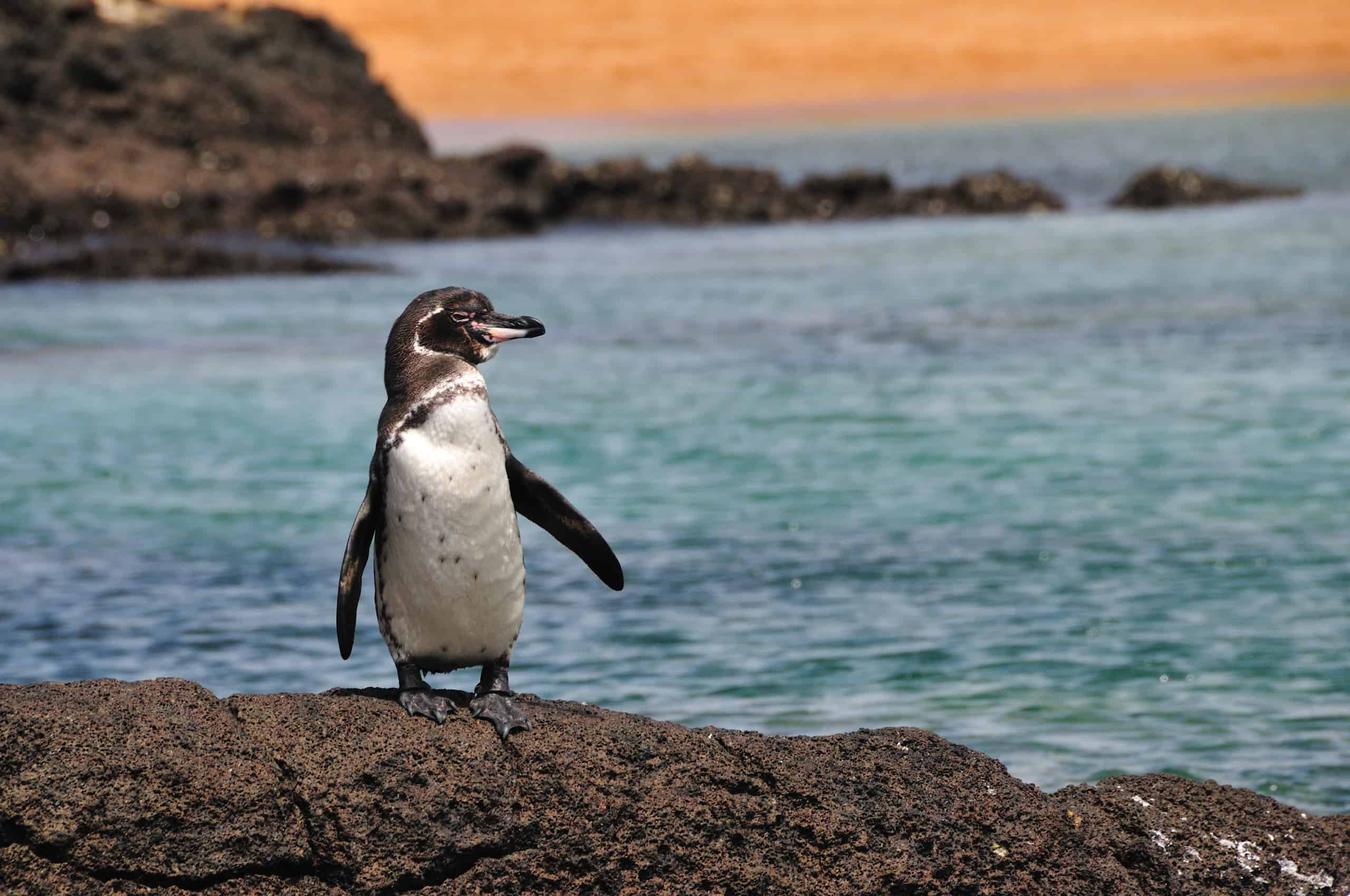
One of the most extraordinary characteristics of the Galapagos Islands is the concentration of endemic species found throughout the archipelago. Due to millions of years of geographic isolation, many animals evolved independently and exist nowhere else on Earth.
These endemic species played a key role in shaping scientific understanding of evolution and adaptation, making the Galapagos one of the world's most significant natural laboratories for biodiversity and conservation.
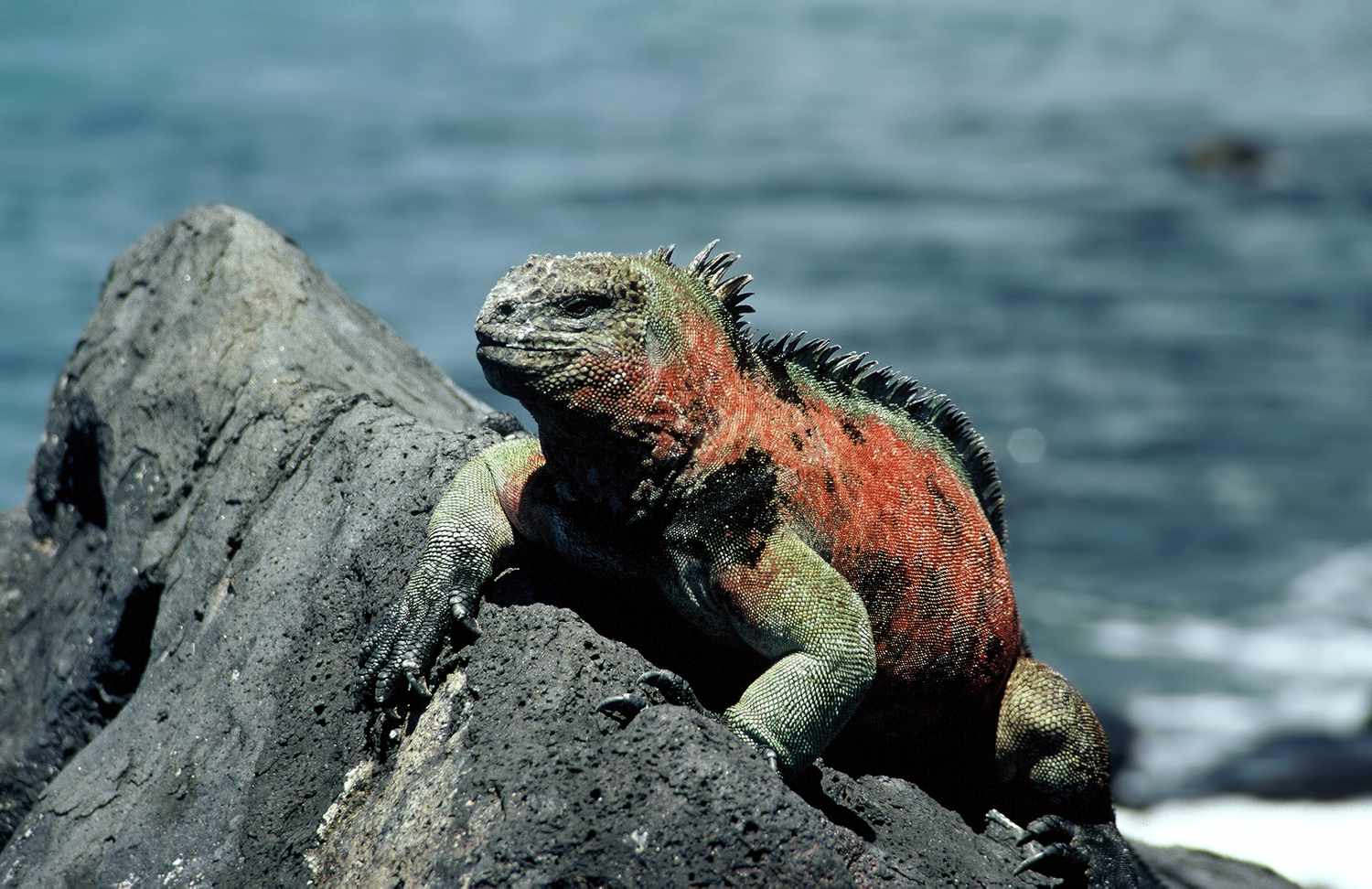
Marine Iguana
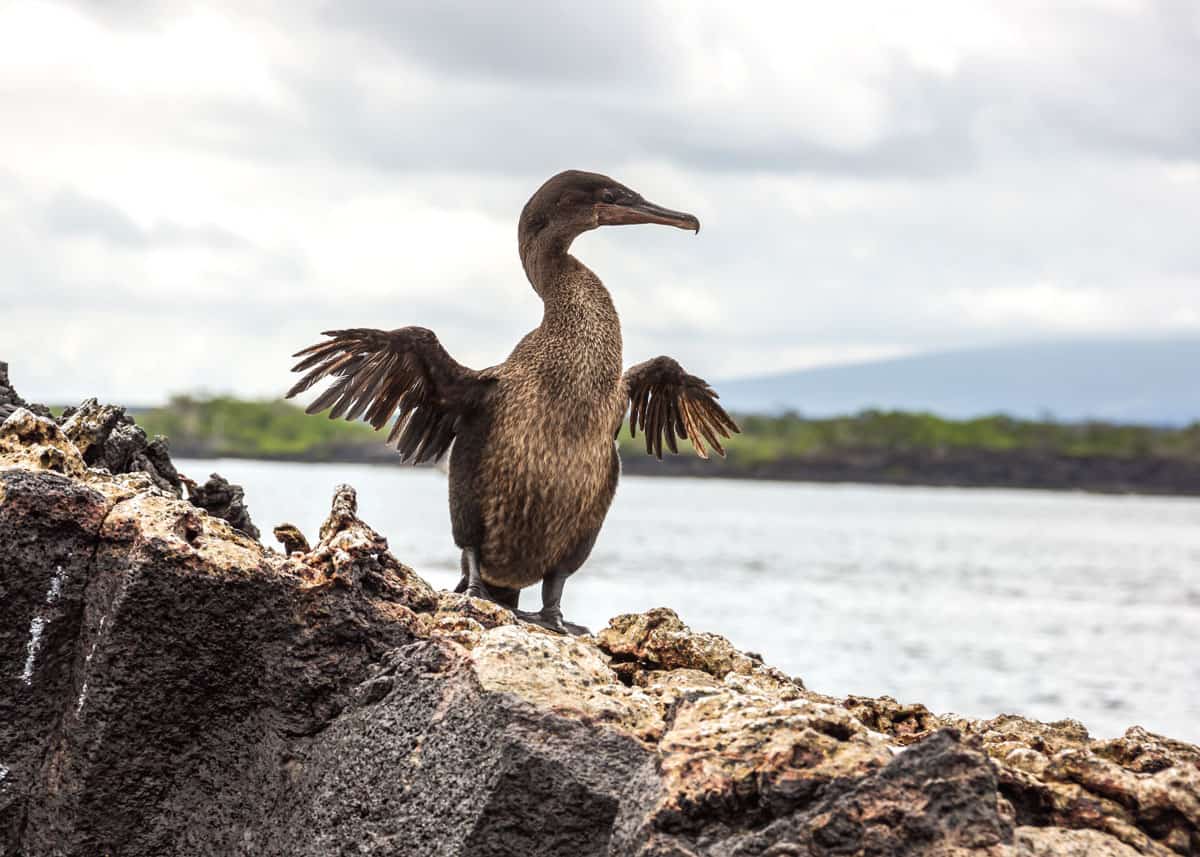
Flightless Cormorant
Darwin's Finch
Lava Lizard
Wildlife in the Galapagos Islands varies dramatically from one island to another. Differences in volcanic landscapes, ocean currents, elevation, vegetation, and geographic isolation have shaped distinct ecosystems throughout the archipelago.
While some islands are known for thriving seabird colonies, others are recognized for marine life encounters, volcanic reptile habitats, or giant tortoise populations in the highlands. Exploring different Galapagos Islands reveals how biodiversity changes across the Galapagos and why each destination offers a unique wildlife experience.
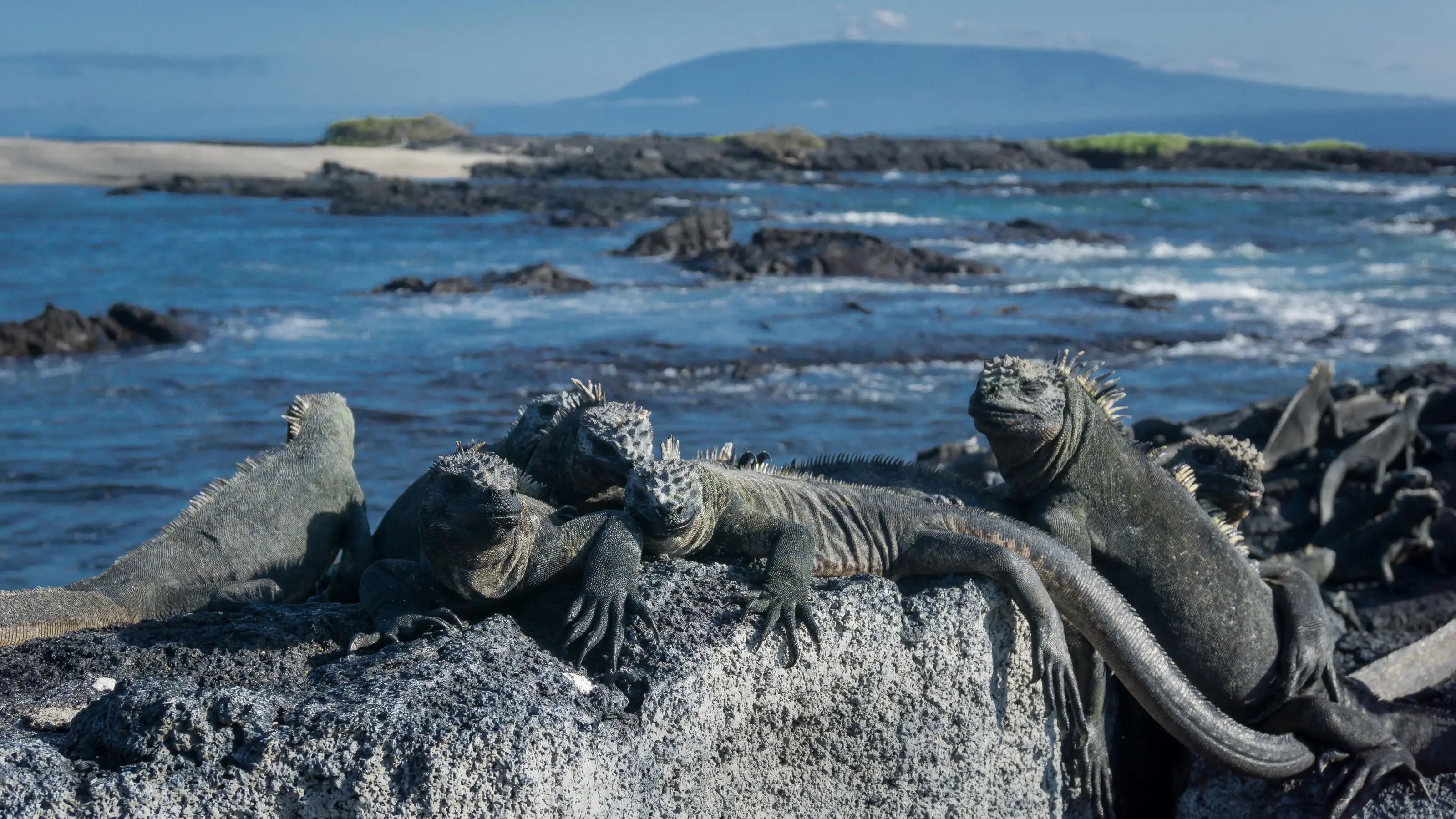
The volcanic coastlines of the western Galapagos provide ideal habitats for marine iguanas, flightless cormorants, Sally Lightfoot crabs, and sea lions. These rugged lava environments are especially prominent on Fernandina Island and the western shores of Isabela Island, where volcanic activity and nutrient-rich waters support some of the archipelago's most unique coastal ecosystems.
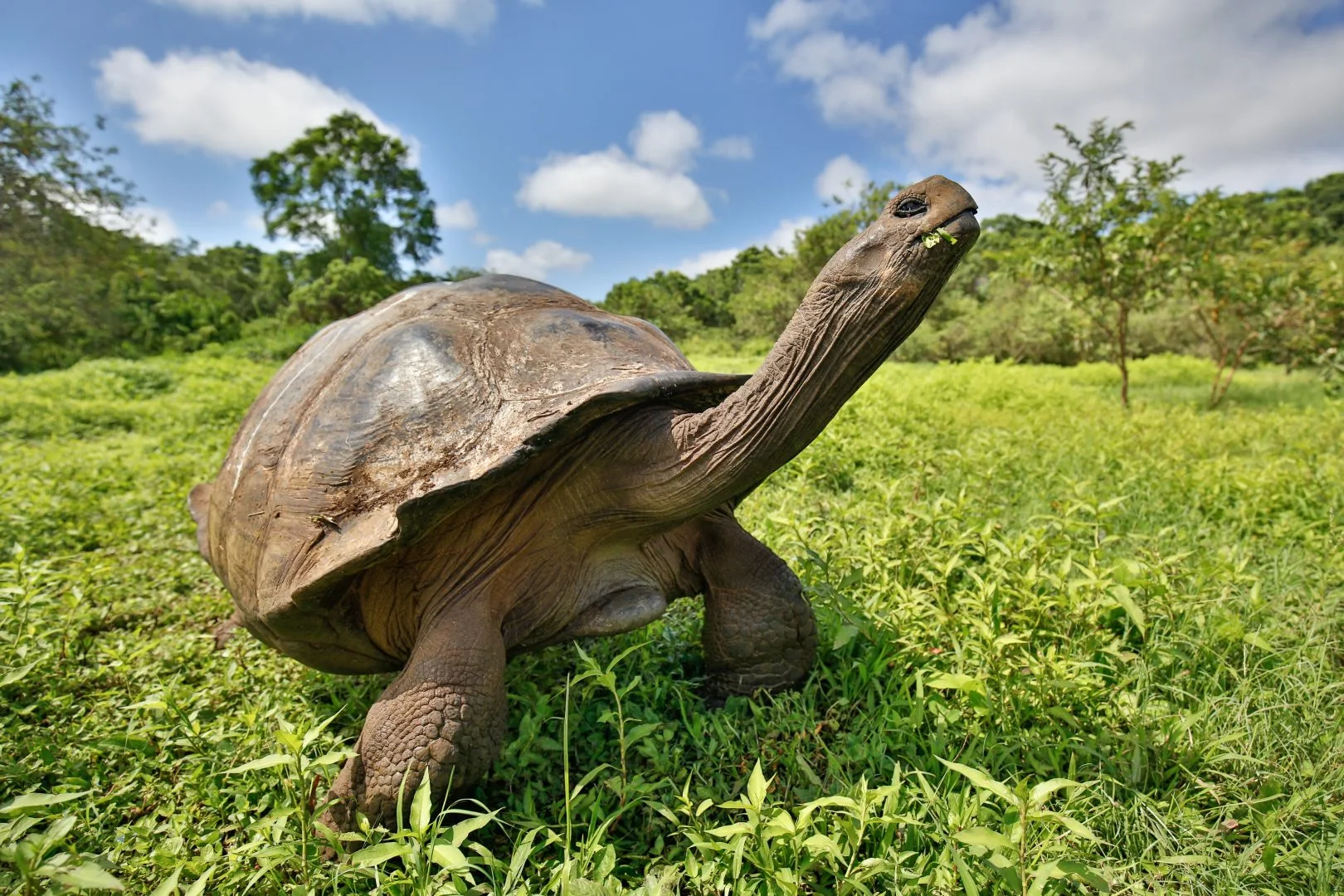
The humid highlands of Santa Cruz Island and Isabela Island support lush vegetation, cooler climates, and freshwater environments that are essential for giant tortoises, Darwin's finches, and endemic plant life. These elevated ecosystems create a dramatic contrast with the arid coastal regions found throughout much of the archipelago.
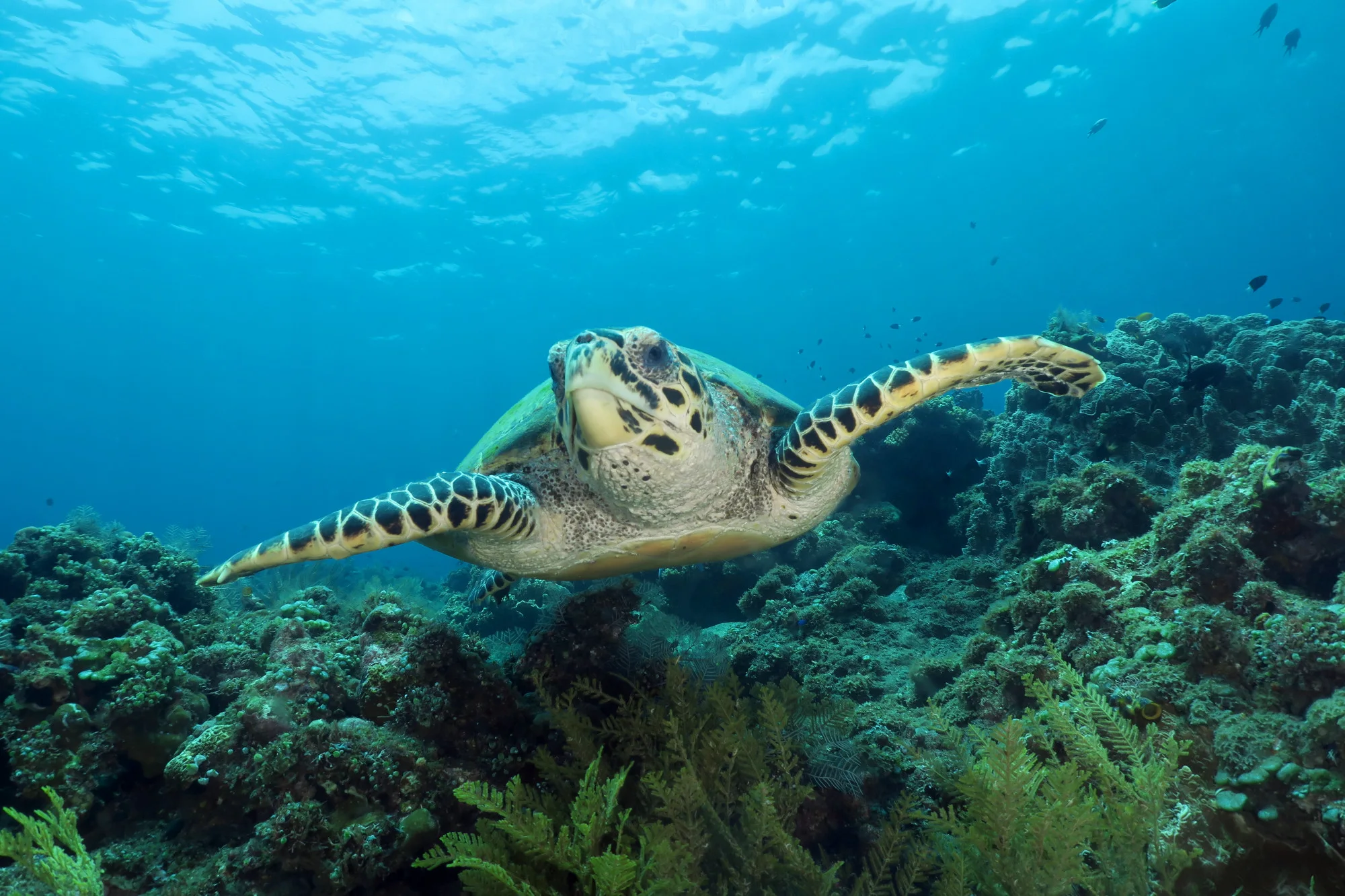
The nutrient-rich marine ecosystems surrounding the Galapagos Islands attract an extraordinary diversity of ocean wildlife throughout the year. The remote waters near Wolf Island, Darwin, and Isabela are especially known for encounters with hammerhead sharks, manta rays, dolphins, whale sharks, and green sea turtles within the protected Galapagos Marine Reserve.
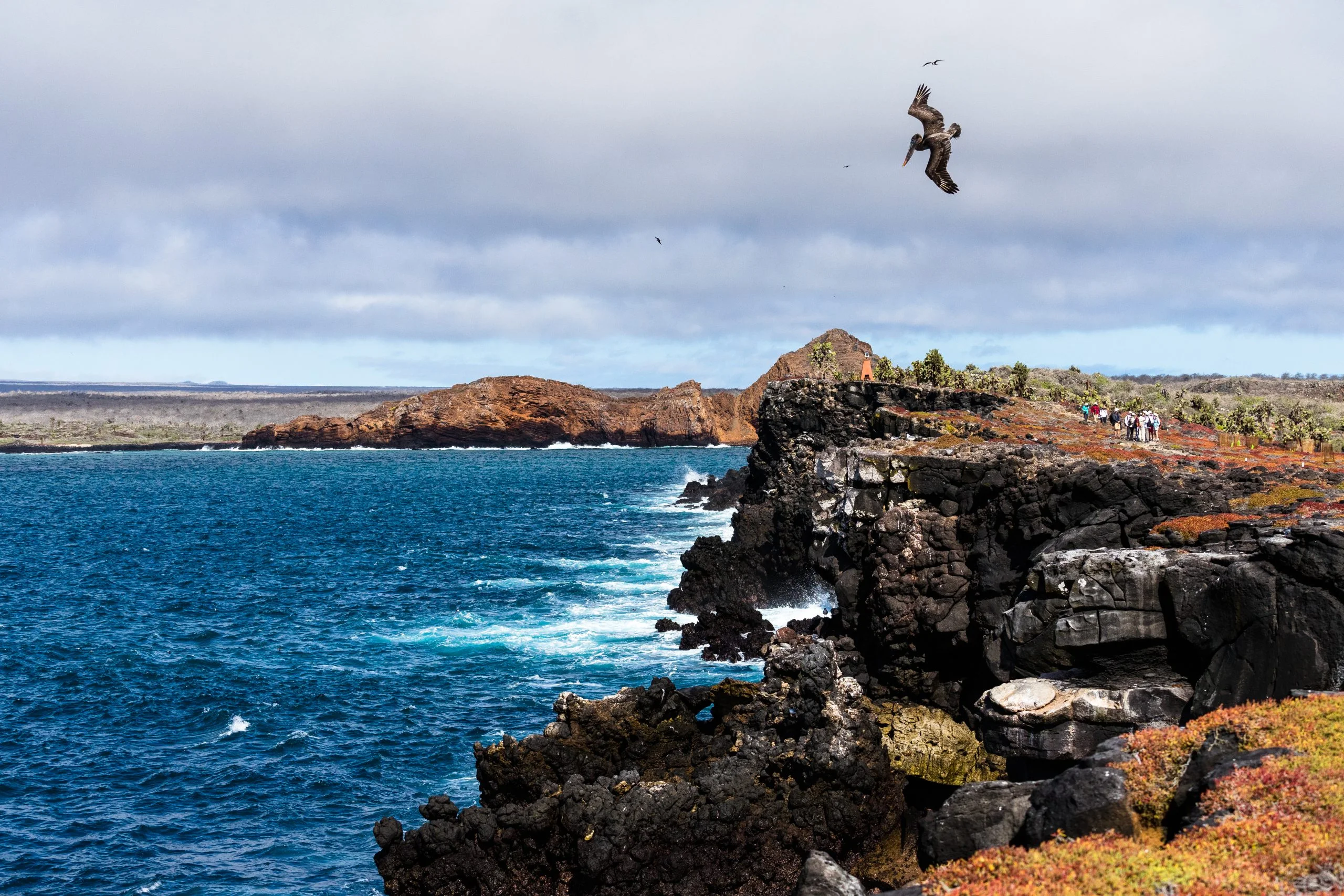
The cliffs and coastal nesting areas of the Galapagos support some of the world's most remarkable seabird populations. Espanola Island is famous for its waved albatross colonies, while Genovesa Island is internationally recognized for its large populations of red-footed boobies and frigatebirds. Other islands such as North Seymour and San Cristobal also support thriving seabird ecosystems along their rocky coastlines.
The Galapagos Islands are among the most protected and ecologically significant environments in the world. Due to their extraordinary biodiversity and concentration of endemic species, much of the archipelago is safeguarded through the Galapagos National Park and the Galapagos Marine Reserve.
Conservation efforts across the islands focus on protecting fragile ecosystems, restoring native species, controlling invasive species, and preserving critical marine habitats for future generations. Sustainable tourism and responsible wildlife observation also play an important role in maintaining the ecological balance of the archipelago.
Today, the Galapagos remain one of the world's most important natural laboratories for biodiversity, scientific research, and environmental conservation.
Wildlife activity in the Galapagos Islands changes throughout the year as ocean temperatures, nesting seasons, migration patterns, and marine conditions evolve across the archipelago. While wildlife can be observed year-round, certain months offer unique opportunities to encounter specific species and seasonal behaviors. Exploring the islands month by month offers deeper insight into how the natural rhythms of the Galapagos shape wildlife encounters across different ecosystems and marine environments.
December - May
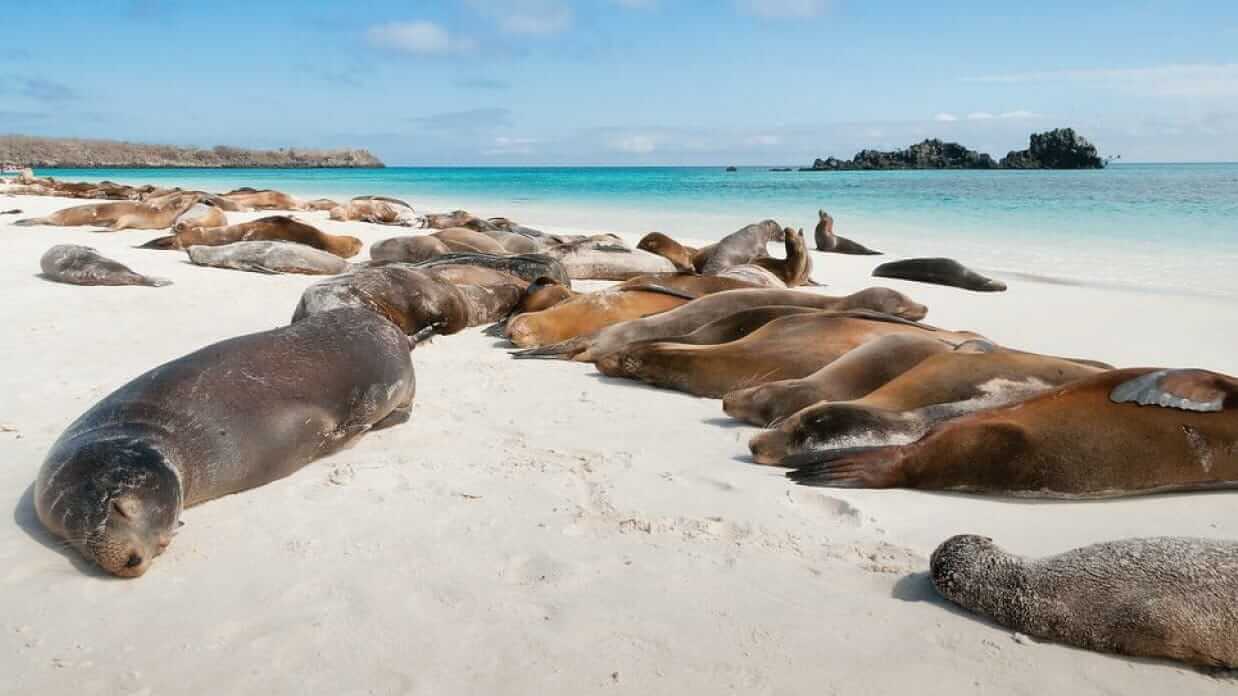
Warmer ocean temperatures and calmer waters during this season create excellent conditions for snorkeling, marine wildlife activity, and seabird nesting. Green sea turtles, blue-footed boobies, and marine iguanas are especially active throughout many islands of the archipelago.
June - November
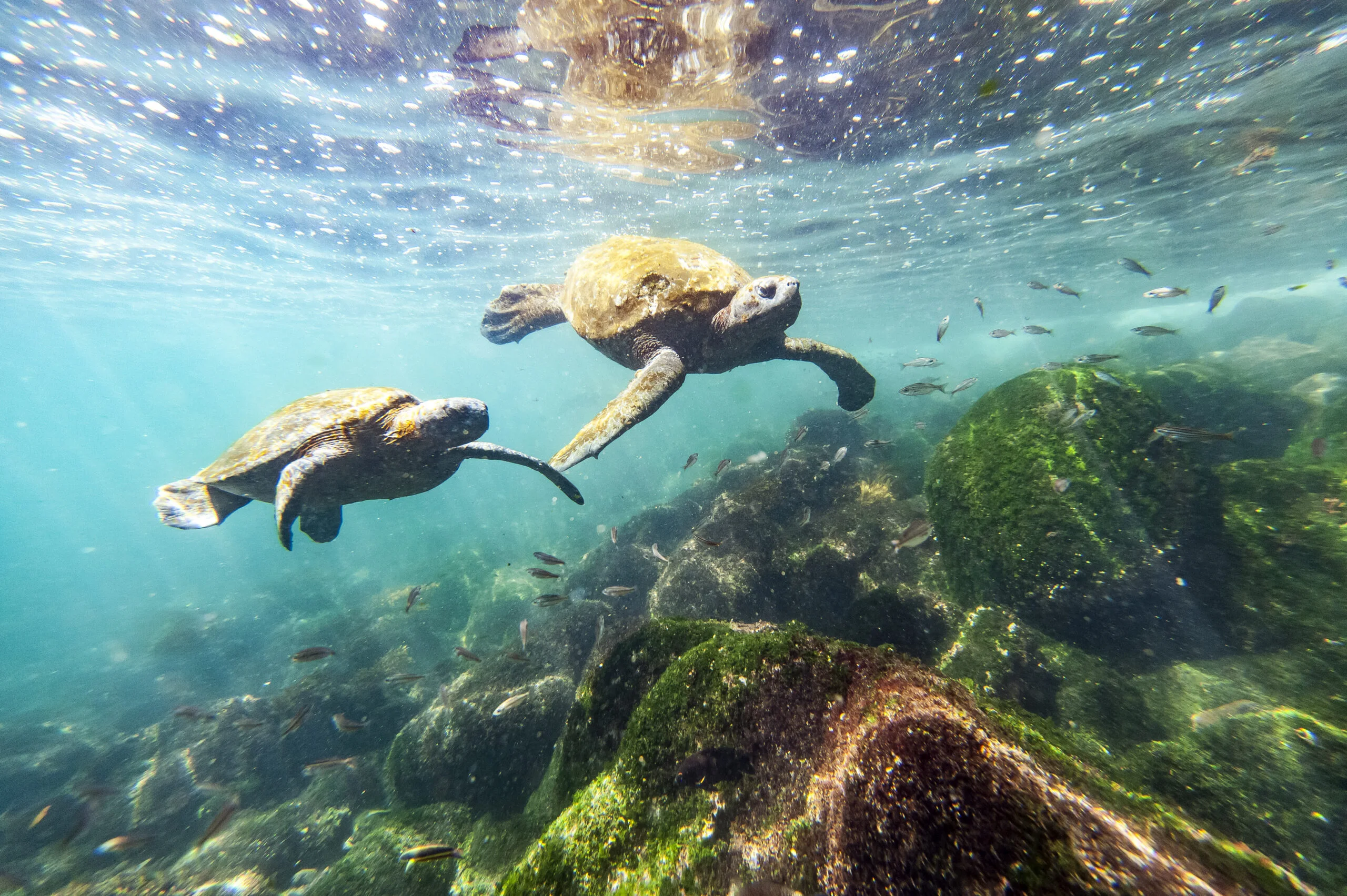
Cooler nutrient-rich currents attract larger marine species and increase underwater biodiversity across the Galapagos Marine Reserve. This season is especially known for hammerhead sharks, whale sharks, seabird activity, and dynamic marine ecosystems near the western and northern islands.
Continue Exploring
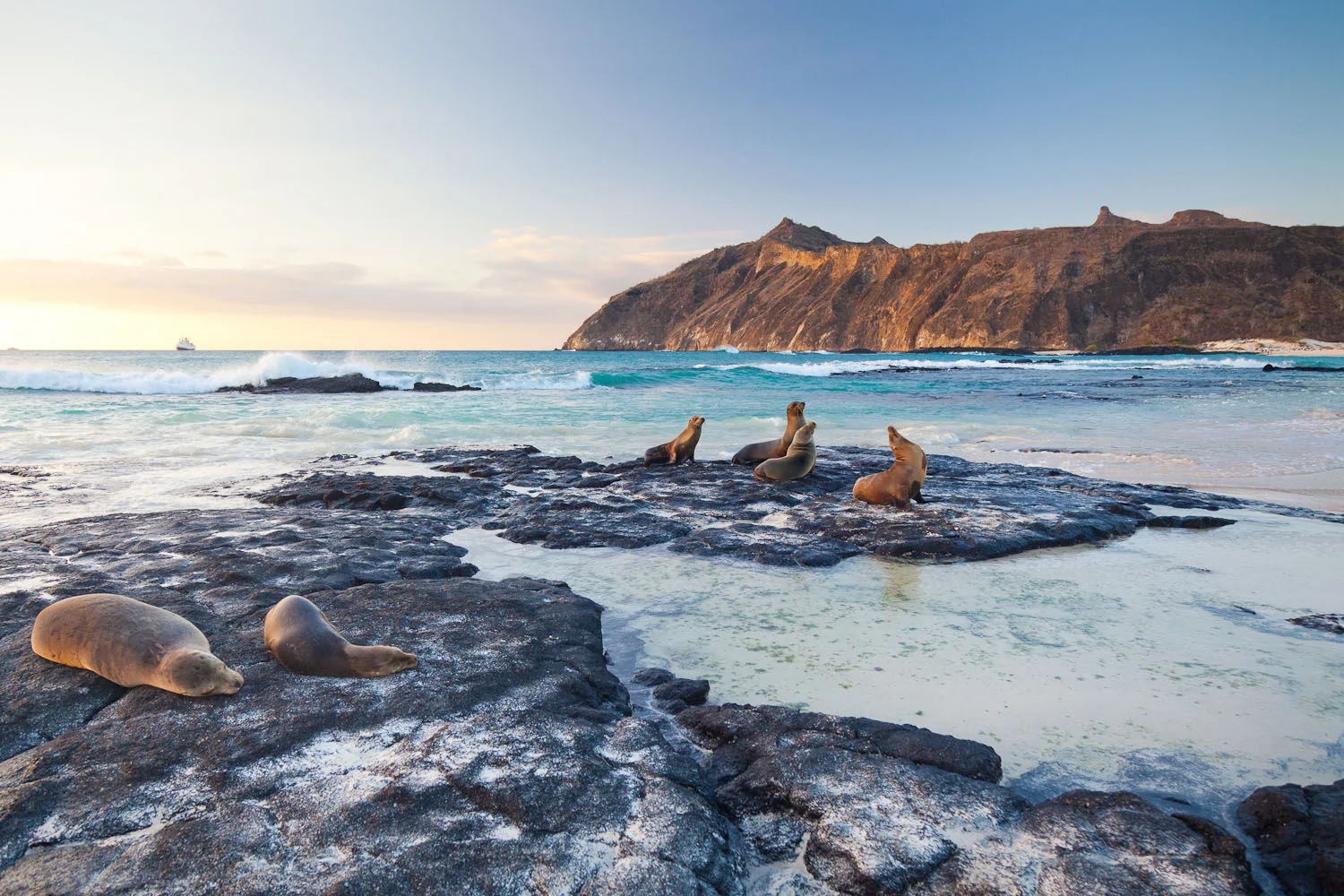
Learn about the islands that make up the Galapagos archipelago and what makes each one unique.
Explore
Understand the islands' two seasons, air and water temperatures, and what to expect throughout the year.
Explore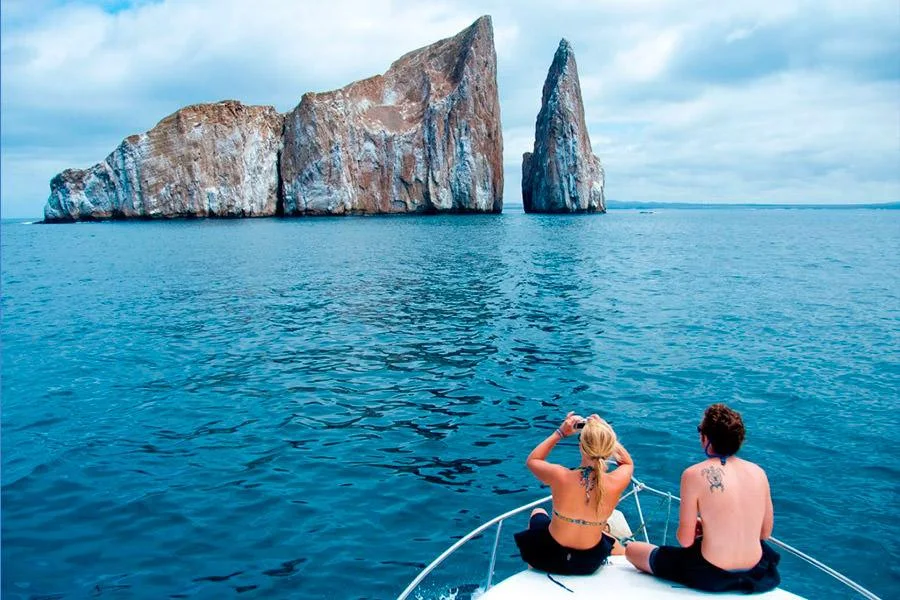
Discover the archipelago's most iconic places to visit, from volcanic landscapes and pristine beaches to world-famous wildlife and snorkeling sites.
Explore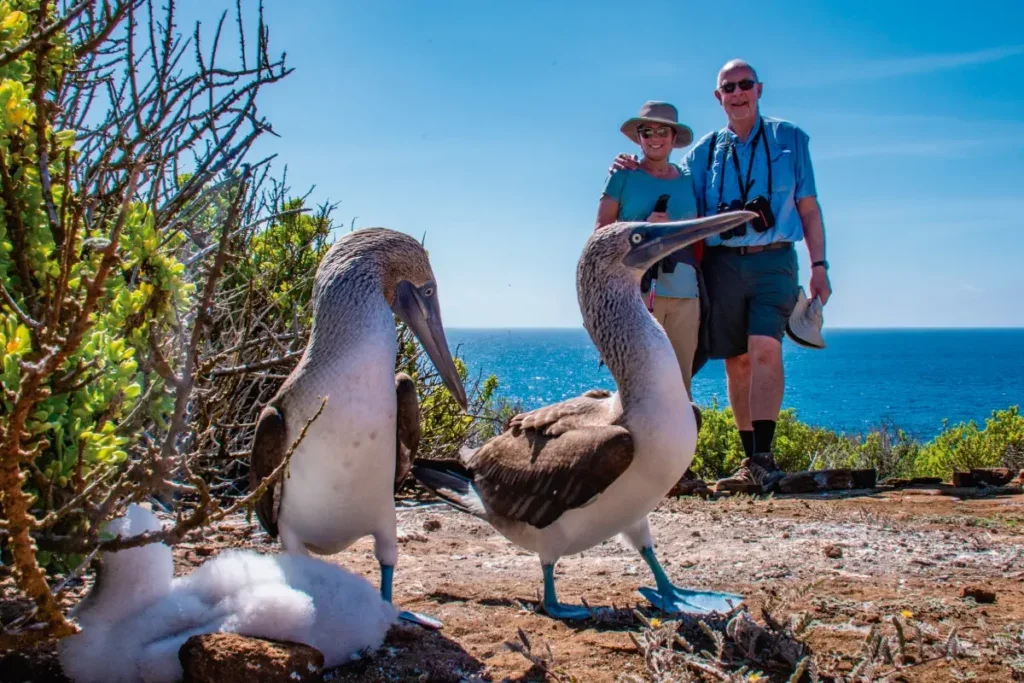
Explore what to expect each month, from wildlife activity and ocean conditions to travel considerations.
Explore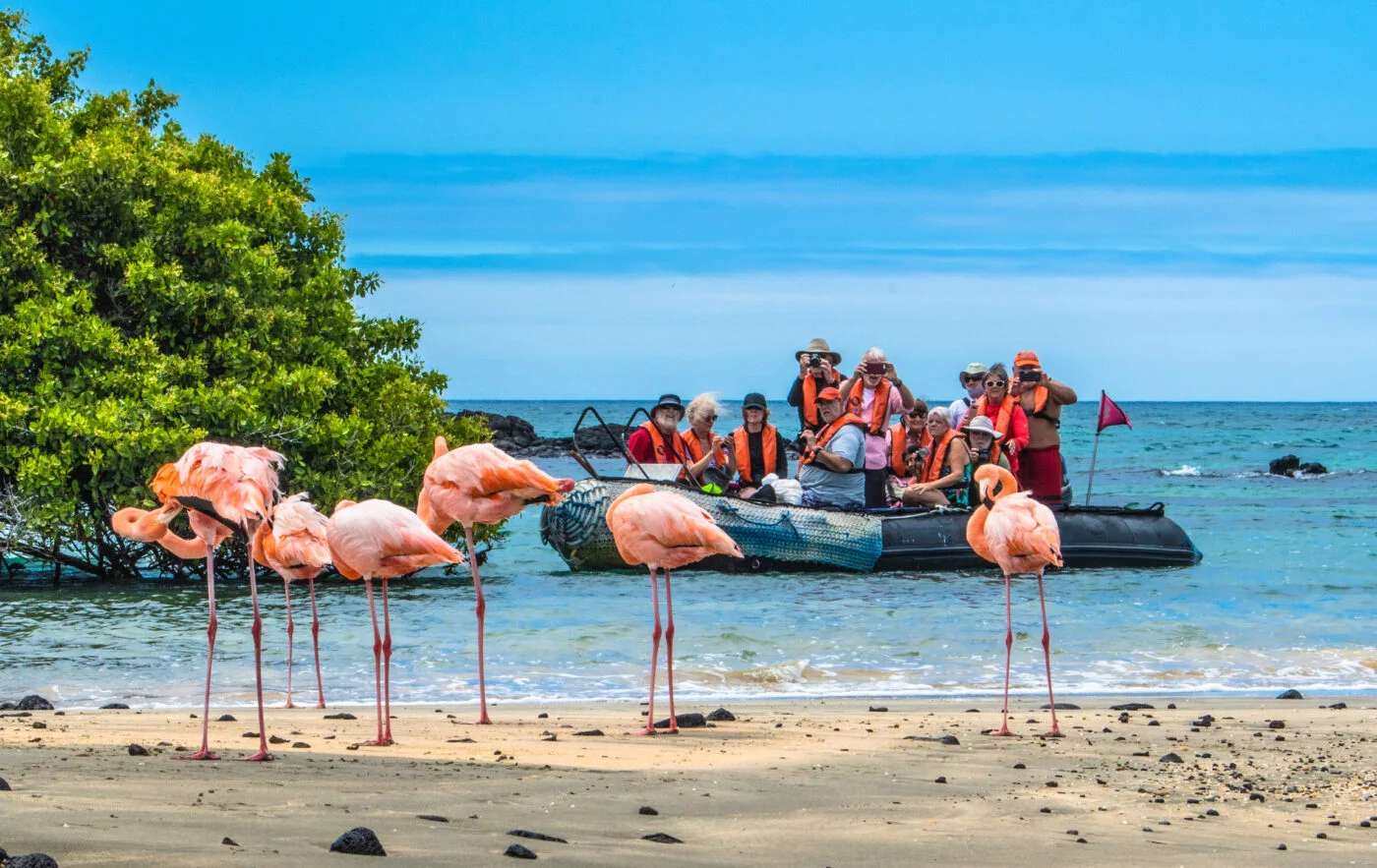
Compare the two main ways to experience the Galapagos and find the travel style that best fits your interests.
ExploreThe Galapagos Islands are home to a remarkable number of endemic species found nowhere else on Earth. Some of the most iconic include the marine iguana, Galapagos giant tortoise, flightless cormorant, Galapagos penguin, lava lizard, and Darwin's finches, all of which evolved in isolation across the archipelago over millions of years.
The Galapagos giant tortoise is widely considered the most famous animal in the archipelago and has become an enduring symbol of the islands. Other iconic species include the marine iguana, blue-footed booby, Galapagos sea lion, and hammerhead shark.
Wildlife can be found throughout the entire archipelago, although islands such as Isabela, Fernandina, Espanola, Genovesa, and Santa Cruz are especially recognized for their biodiversity and unique ecosystems. Each island supports different wildlife habitats, marine environments, and endemic species.
Yes. Wildlife can be observed throughout the year across the Galapagos Islands. However, seasonal ocean currents, nesting periods, migration patterns, and marine conditions influence the activity of certain species during different months of the year.
Most wildlife in the Galapagos Islands is not considered dangerous when observed responsibly and from an appropriate distance. The islands are known for animals that display relatively little fear of humans due to their long geographic isolation and protected environments.
Many species in the Galapagos evolved in environments with very few natural predators, which contributed to their unusually calm behavior around humans. Strict conservation regulations and protected ecosystems have also helped preserve these natural behaviors throughout the archipelago.
Marine wildlife can be observed year-round, although the cooler season from June to November is particularly known for nutrient-rich waters, increased marine activity, and encounters with species such as hammerhead sharks, whale sharks, rays, and sea turtles.
Endemic species are animals or plants that exist naturally in only one specific geographic location. The Galapagos Islands are internationally recognized for their high concentration of endemic wildlife species that evolved independently due to the archipelago's geographic isolation in the Pacific Ocean.