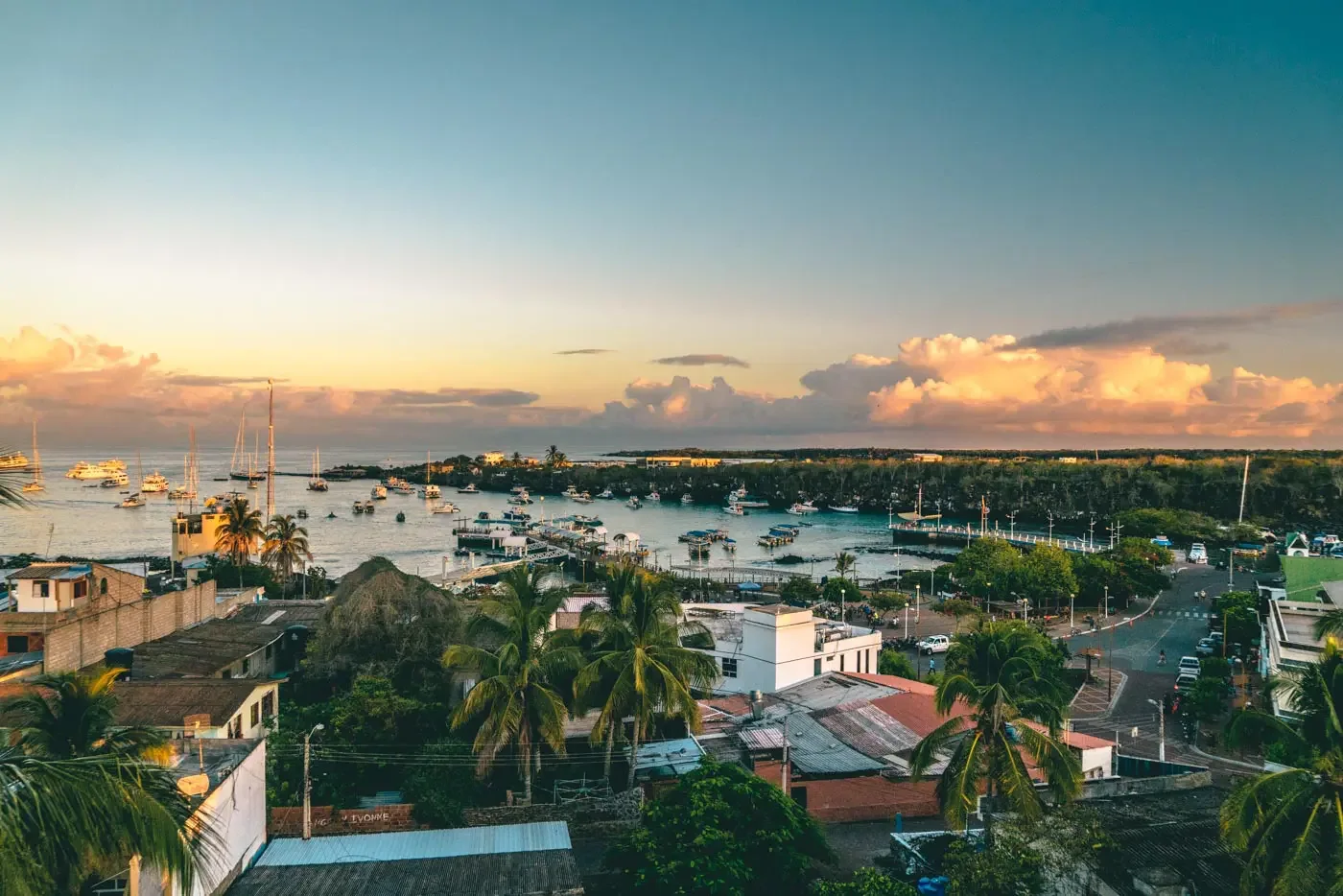
Santa Cruz
Home to Puerto Ayora, Tortuga Bay, giant tortoise reserves, and some of the most accessible visitor sites in the archipelago.
Explore Island
Information about the islands
Discover the main islands of the Galapagos Archipelago, from Santa Cruz and Isabela to remote volcanic islands rich in wildlife, history, and unique ecosystems.
Galapagos archipelago
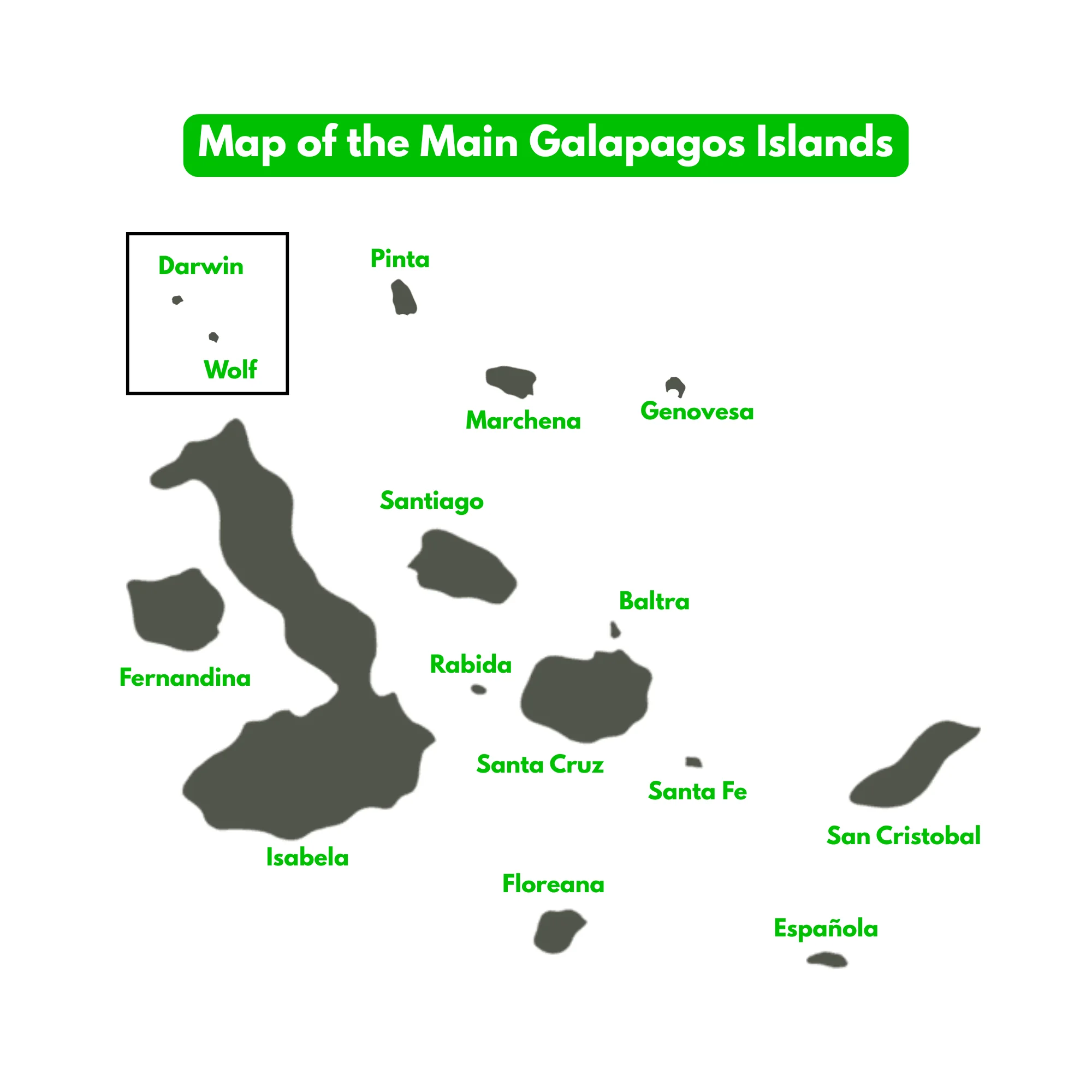
The Galapagos Islands are a volcanic archipelago located approximately 1,000 kilometers (620 miles) west of mainland Ecuador in the Pacific Ocean. Composed of 13 major islands, 6 smaller islands, and more than 100 islets and rocky formations, the archipelago is one of the world's most remarkable natural destinations and a UNESCO World Heritage Site.
Formed by volcanic activity over millions of years, the Galapagos Islands sit atop a geological hotspot where magma rises from deep within the Earth's mantle. As tectonic plates slowly move eastward, new islands emerge in the western part of the archipelago while older islands gradually erode in the east.
What makes the Galapagos Islands truly exceptional is their extraordinary biodiversity and high level of endemism. Many species found here exist nowhere else on Earth, making the archipelago one of the most important natural laboratories for evolution and conservation.
Quick facts
Pacific Ocean, approximately 1,000 km (620 mi) west of Ecuador
13
6
100+
4 permanent populated islands
Since 1978
Endemic wildlife and evolutionary significance
Wolf Volcano (1,707 m / 5,600 ft) on Isabela Island
One of the largest protected marine areas in the world
Home to hundreds of endemic plants and animals
Main inhabited islands
The inhabited islands of the Galapagos Archipelago serve as the gateway to the region's unique wildlife, landscapes, and culture. Santa Cruz, Isabela, San Cristóbal, and Floreana each offer distinct ecosystems, local communities, visitor services, and access to some of the most remarkable natural attractions in the islands.
Home to Puerto Ayora, Tortuga Bay, giant tortoise reserves, and some of the most accessible visitor sites in the archipelago.
Explore Island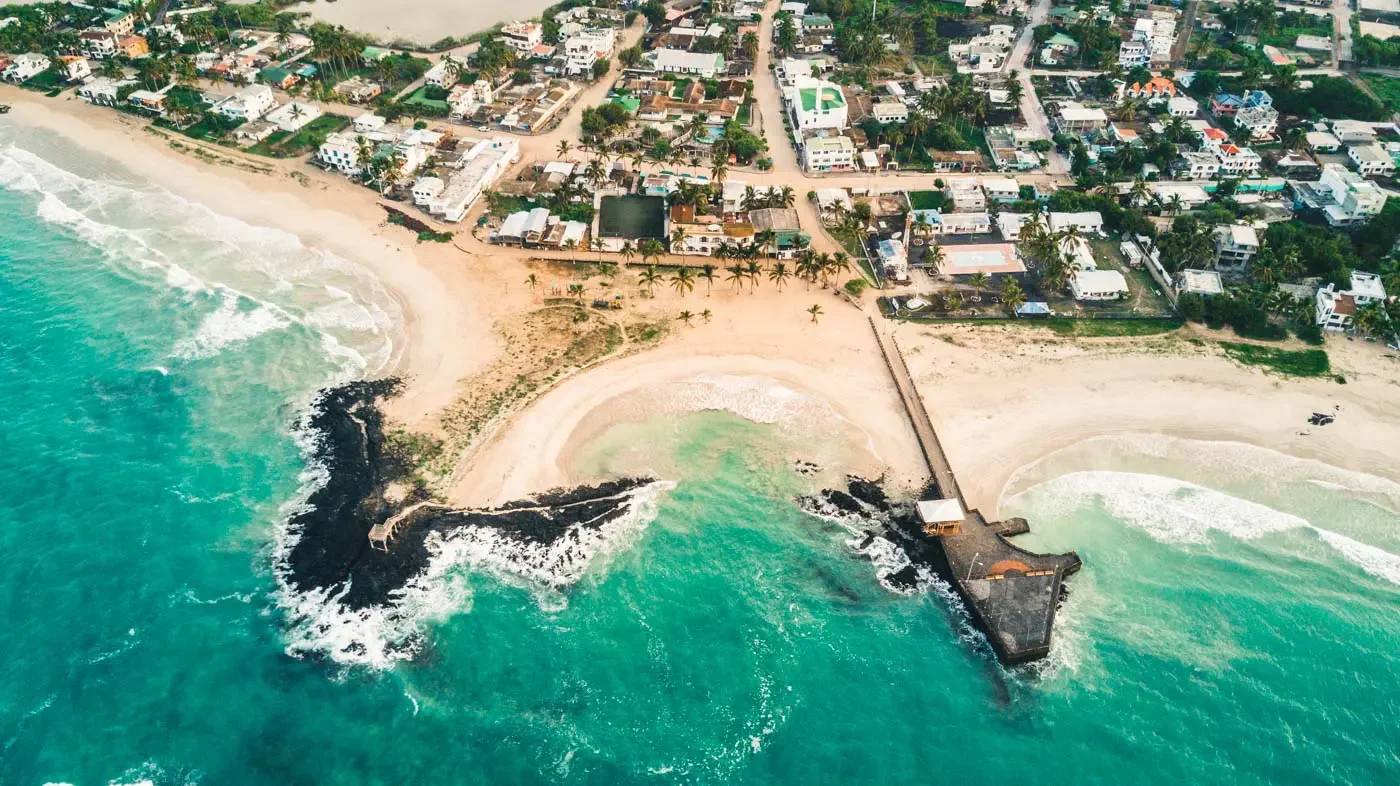
The largest island in Galapagos, known for its volcanoes, pristine beaches, wetlands, and abundant wildlife.
Explore Island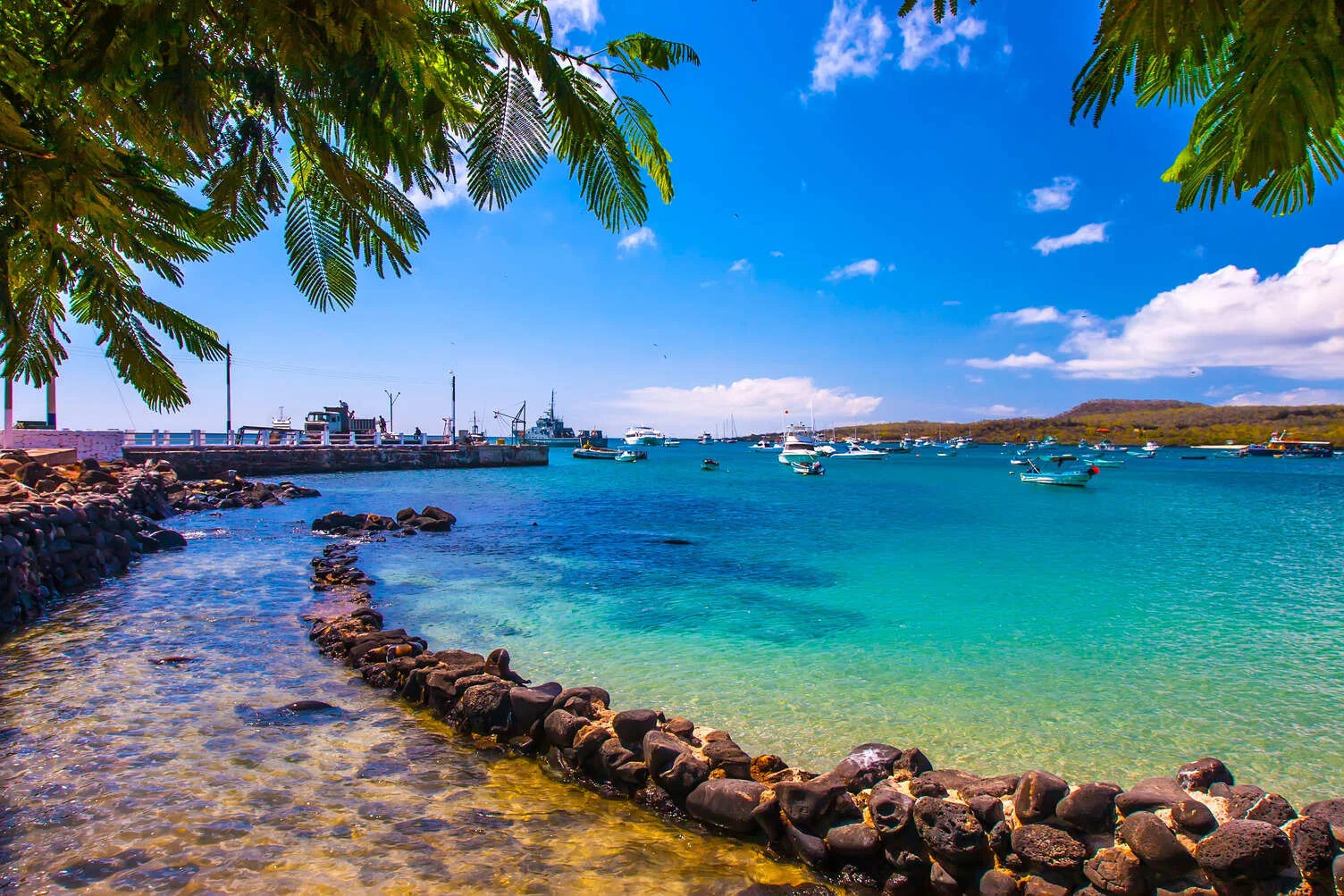
A historic island featuring scenic bays, sea lion colonies, Kicker Rock, and excellent snorkeling opportunities.
Explore Island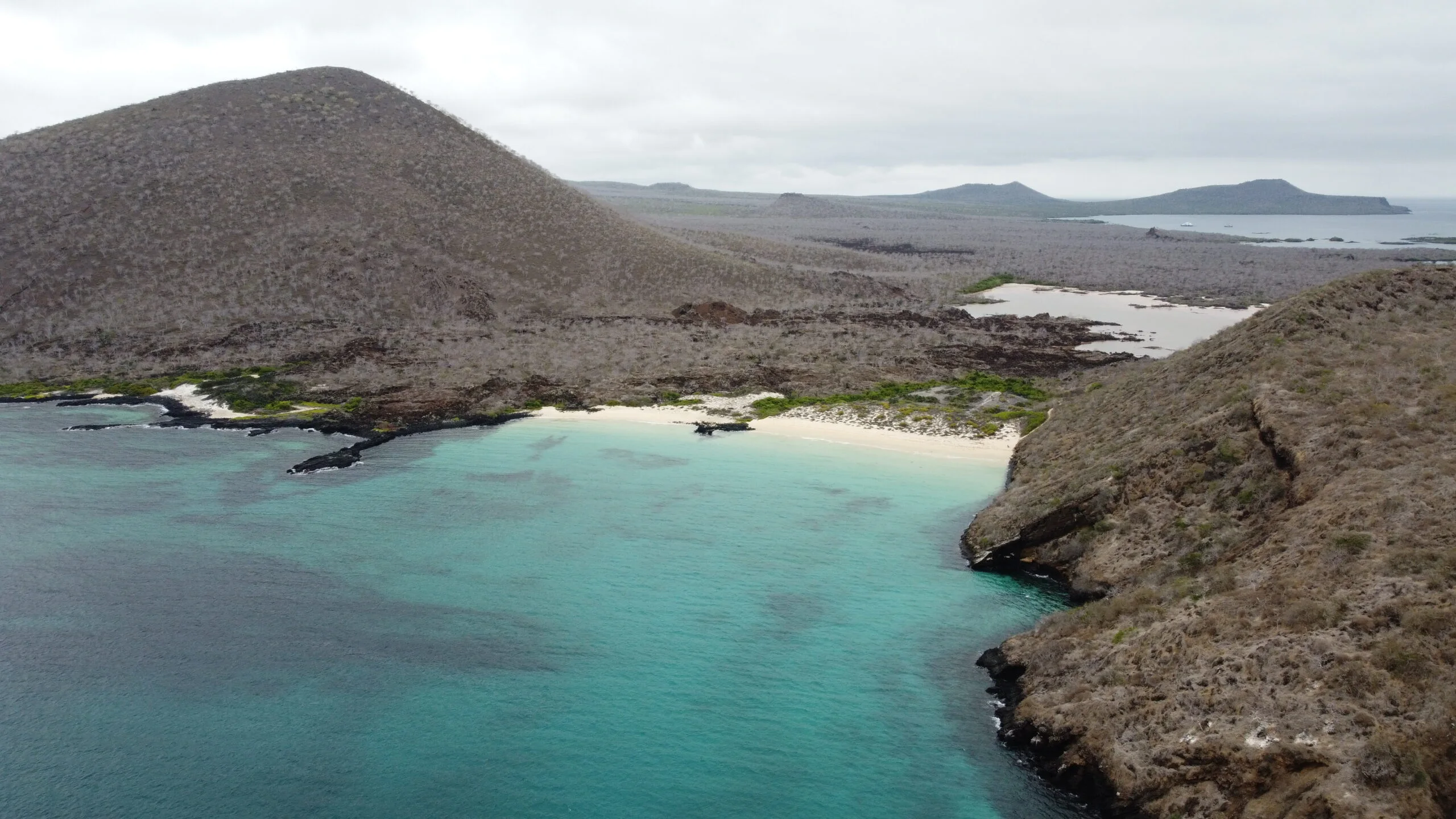
A peaceful island rich in history, with secluded bays, unique wildlife, and famous sites such as Post Office Bay.
Explore IslandUninhabited islands
Beyond the inhabited islands, much of the Galapagos remains untouched by permanent human settlement. These protected islands preserve some of the archipelago's most pristine ecosystems, volcanic landscapes, and wildlife habitats.
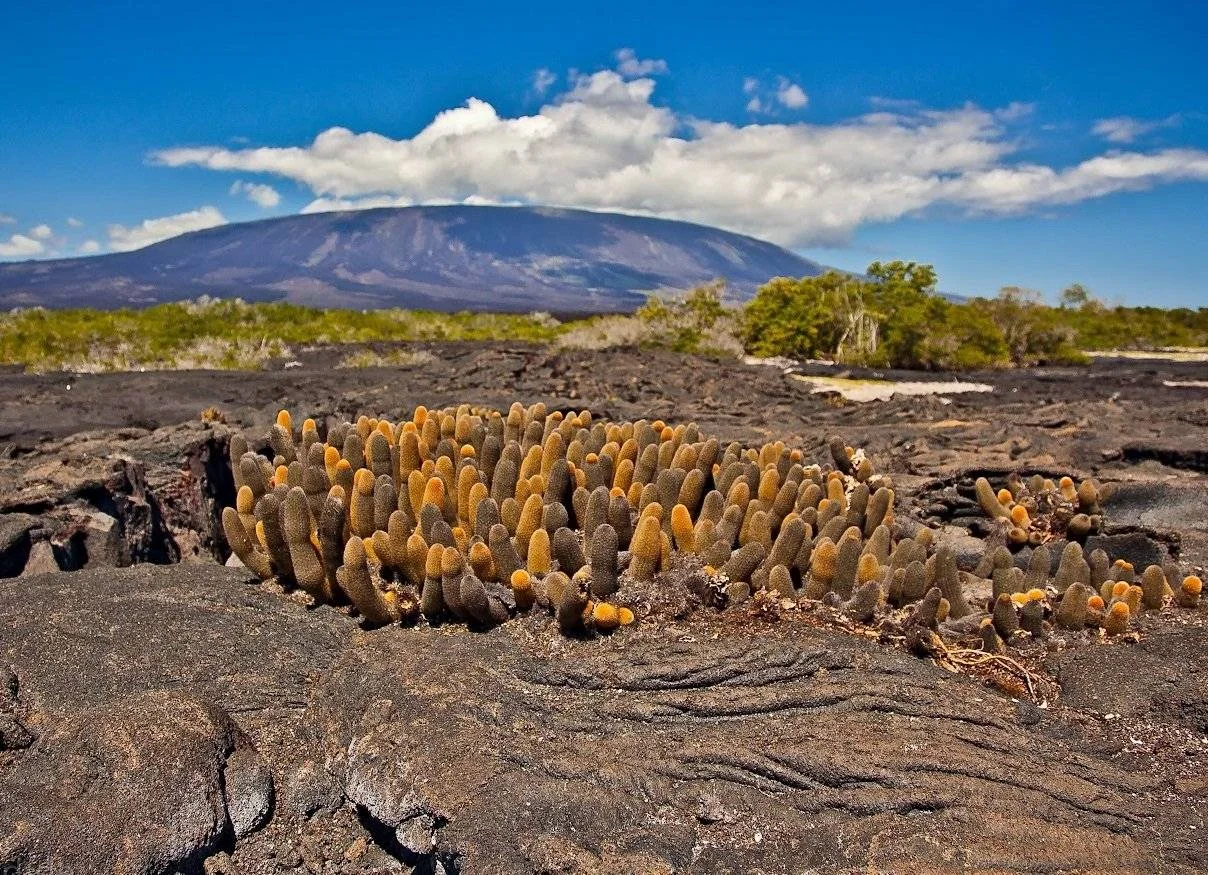
The youngest island in the archipelago, known for its active volcanism and remarkably untouched ecosystems.
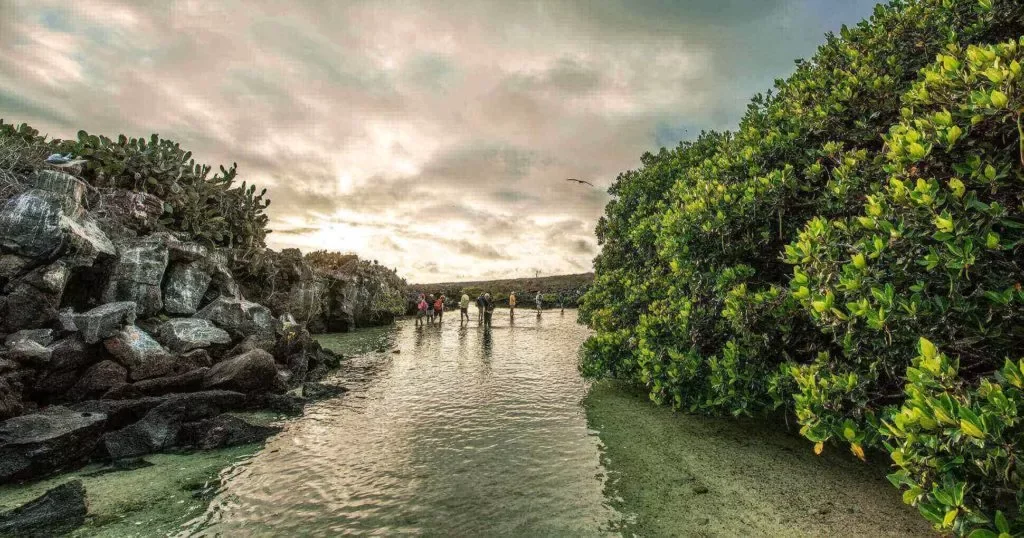
A remote volcanic island famous for its large seabird colonies and unique cliffside habitats.
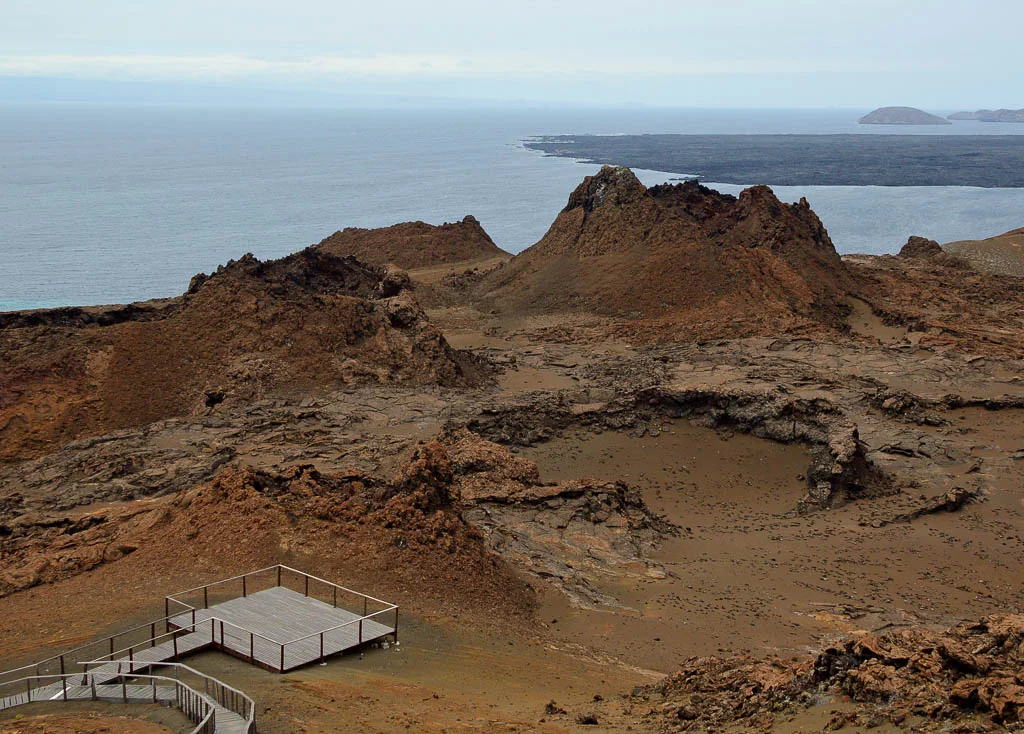
One of the most geologically diverse islands, featuring lava fields, beaches, and varied wildlife habitats.
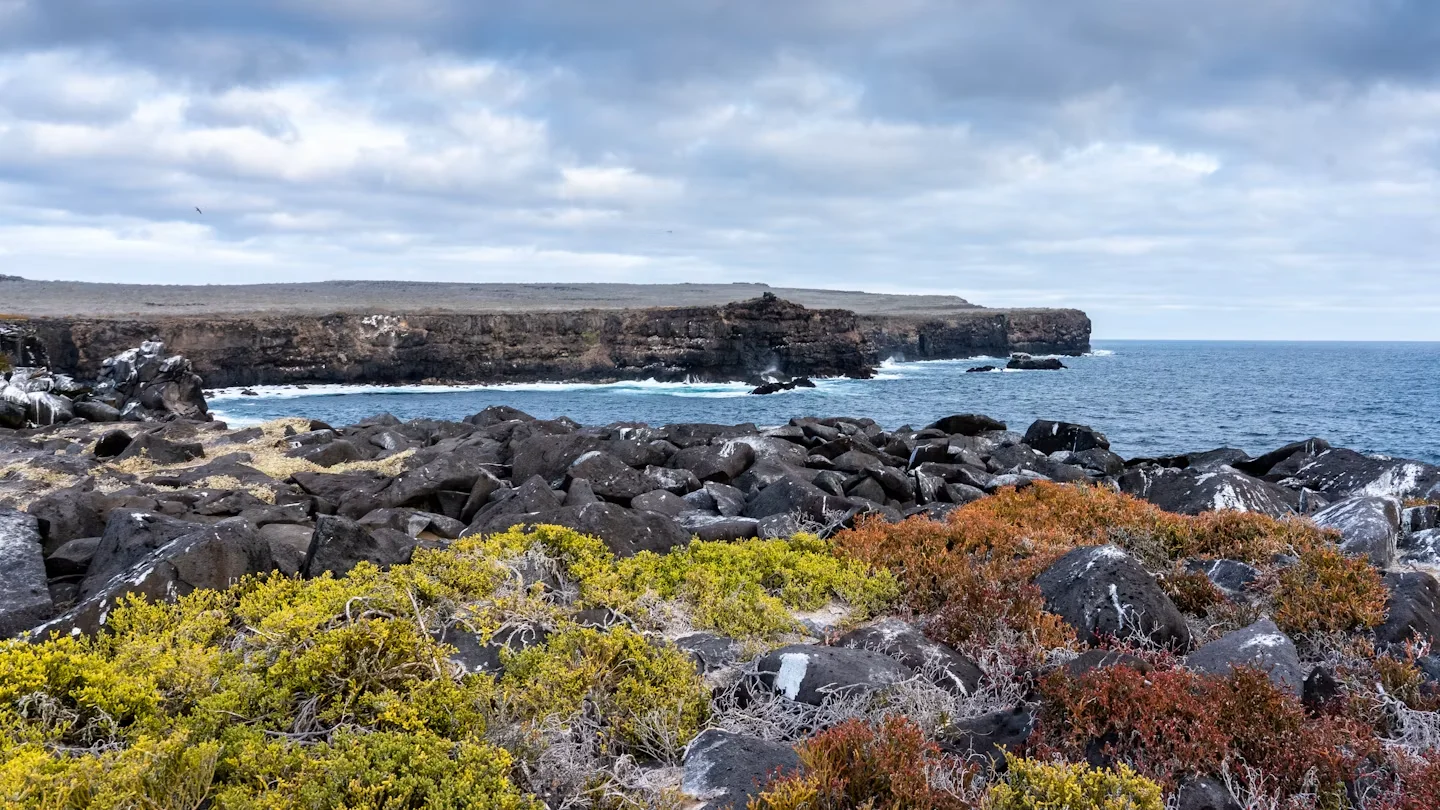
Among the oldest islands in Galapagos, home to several endemic species found nowhere else.
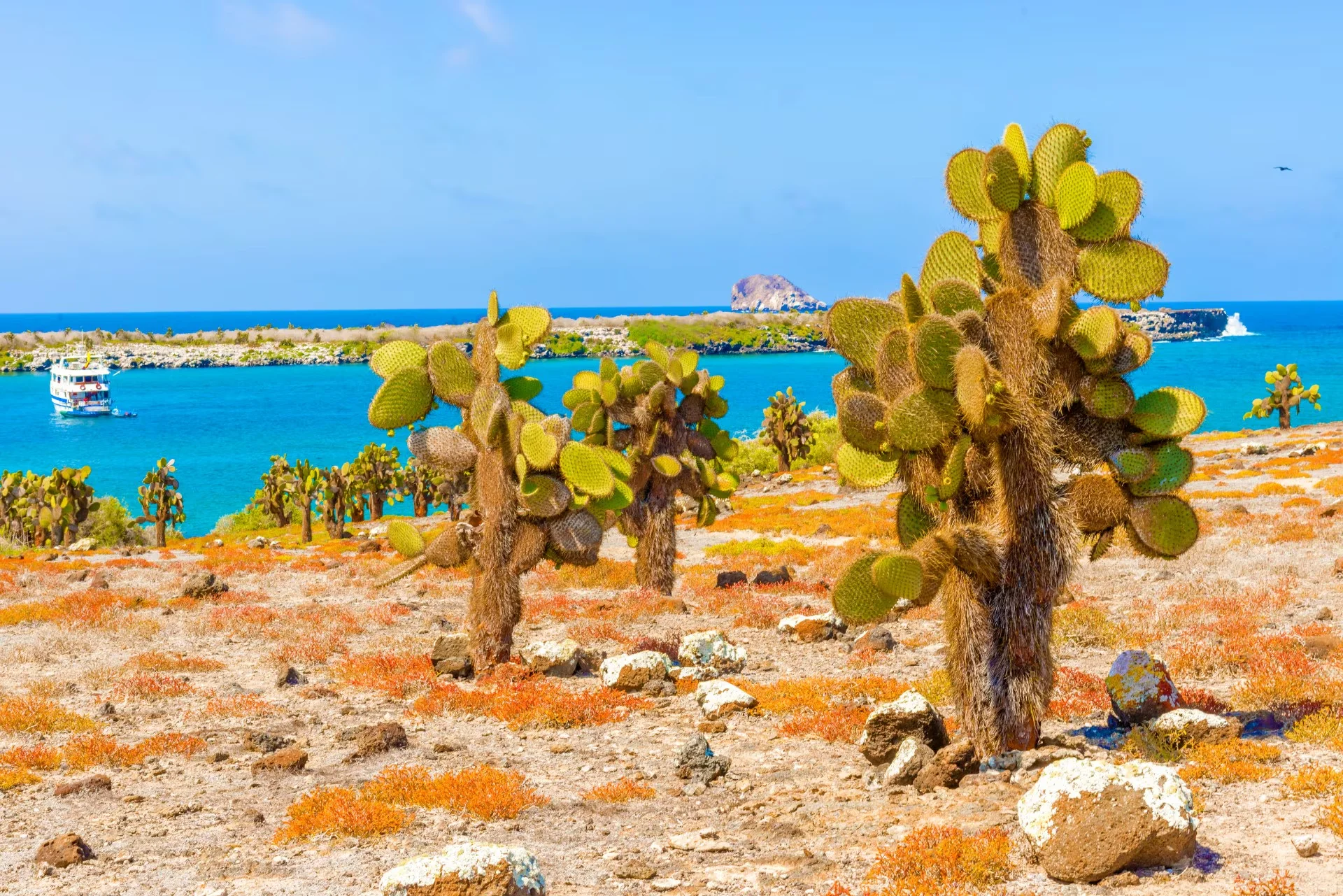
Recognized for its giant prickly pear cacti and distinctive population of land iguanas.
Remote islands
Located far from the main visitor routes, the remote islands of the Galapagos Archipelago represent some of its most untouched and isolated environments.
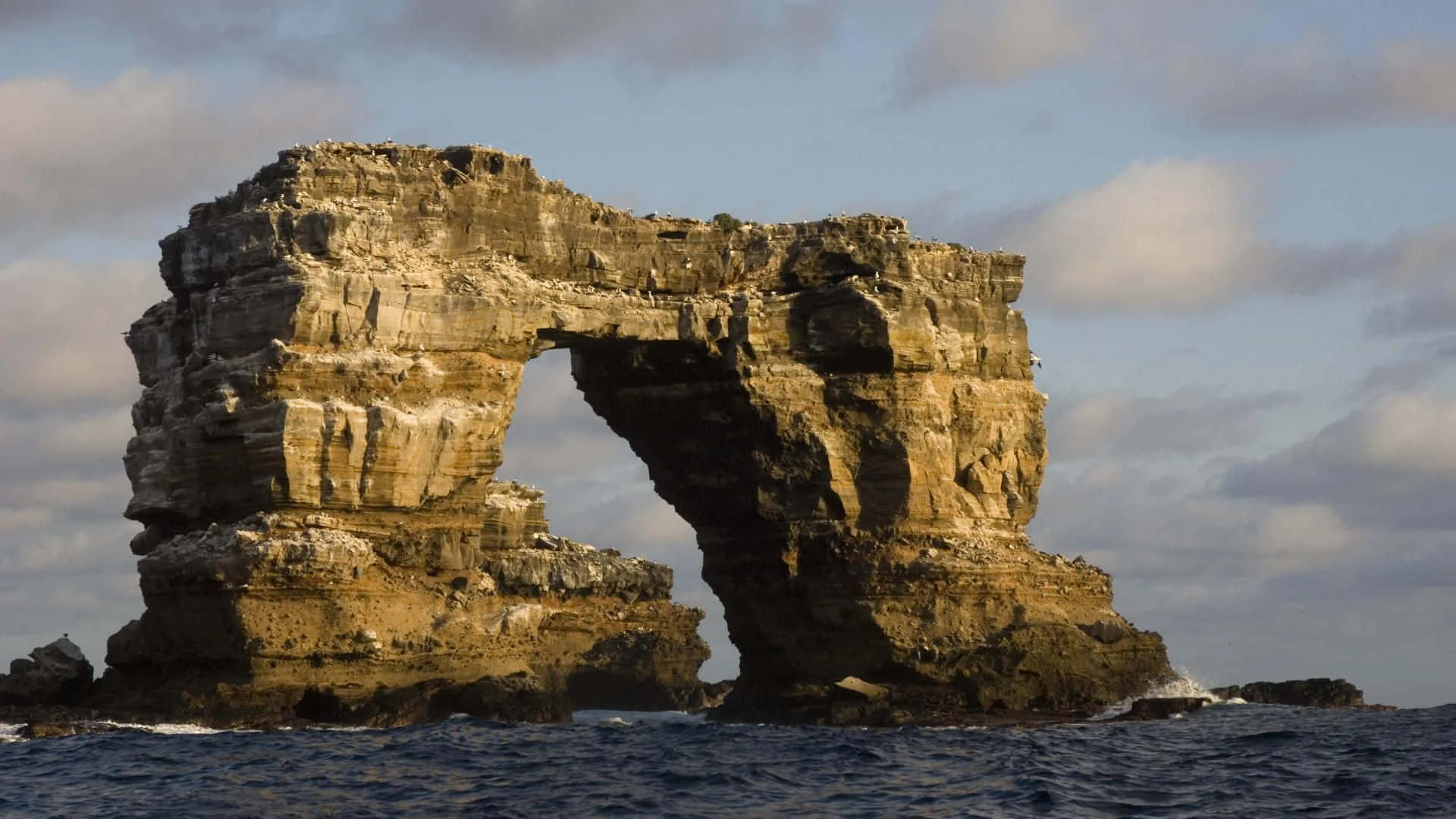
A remote northern island renowned for its extraordinary marine biodiversity and world-class diving sites.
Explore Island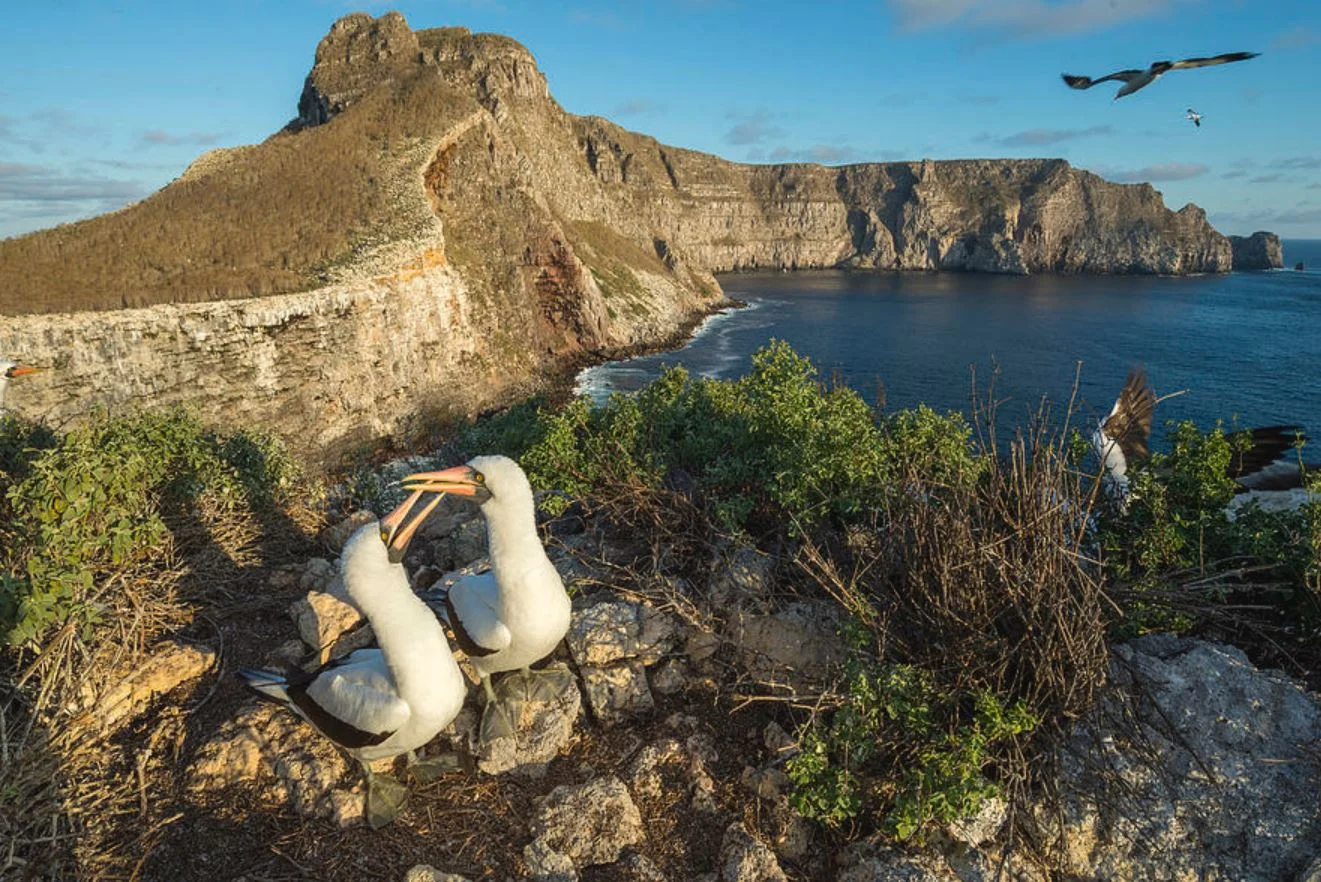
An isolated volcanic island known for its thriving marine ecosystems and abundant pelagic wildlife.
Explore Island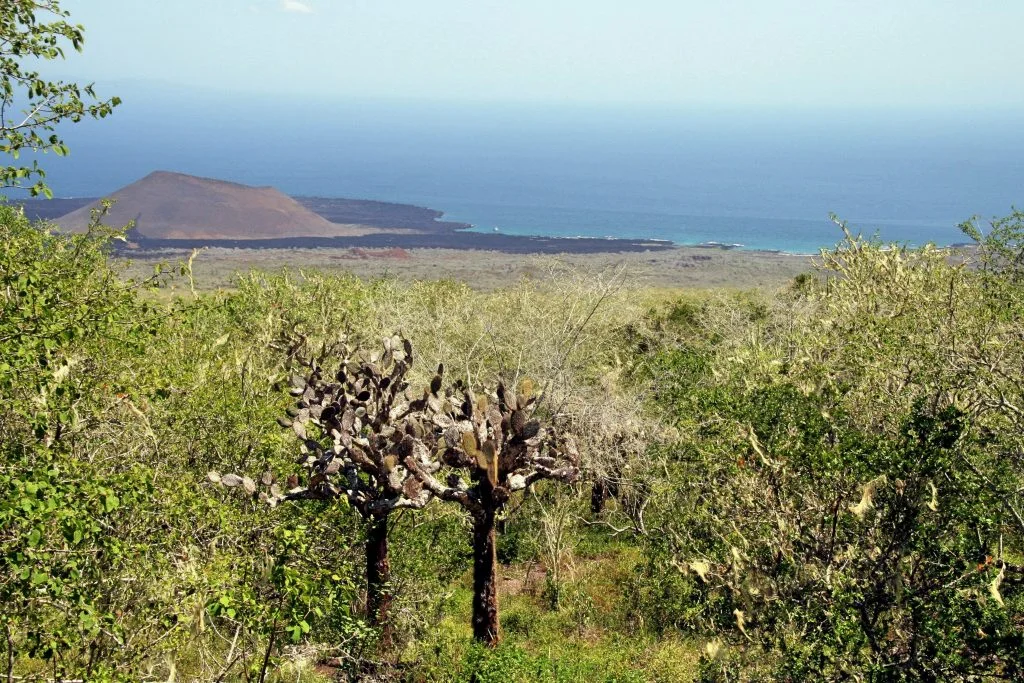
A protected conservation island recognized for its ecological restoration and unique natural heritage.
Explore Island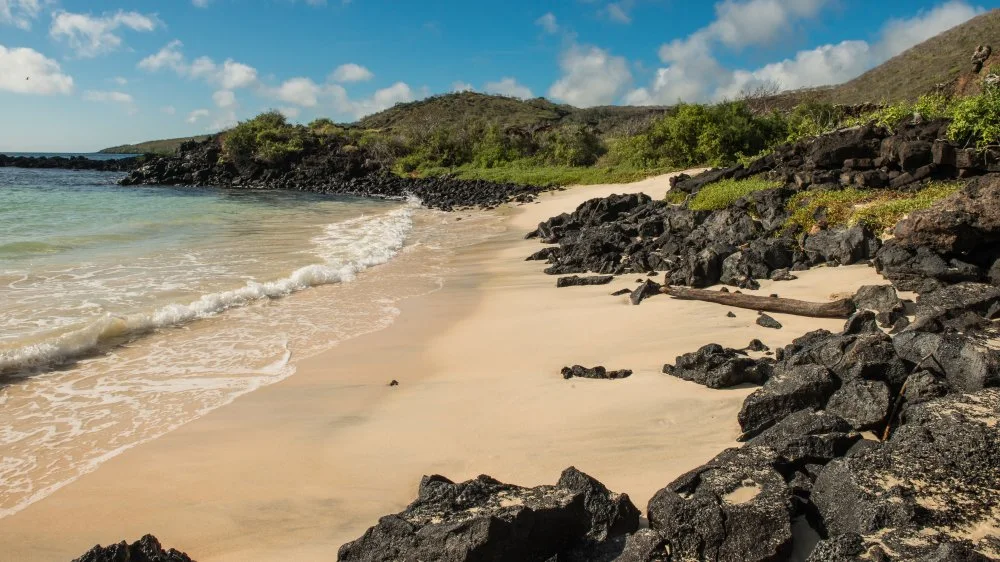
A remote volcanic island featuring rugged landscapes and important habitats for endemic species.
Explore IslandGalapagos islands overview
While all Galapagos islands share a volcanic origin, each offers distinct landscapes, ecosystems, and levels of human presence. Every island contributes to the extraordinary diversity of the archipelago.
| Island | Category | Highlights |
|---|---|---|
| Santa Cruz | Inhabited | Tortuga Bay, Puerto Ayora, Giant Tortoises |
| Isabela | Inhabited | Sierra Negra Volcano, Tintoreras, Wetlands |
| San Cristóbal | Inhabited | Kicker Rock, Cerro Tijeretas, Sea Lions |
| Floreana | Inhabited | Post Office Bay, Devil's Crown, Black Beach |
| Fernandina | Uninhabited | Active Volcanoes, Lava Fields, Marine Iguanas |
| Genovesa | Uninhabited | Darwin Bay, Prince Philip's Steps, Seabirds |
| Santiago | Uninhabited | Sullivan Bay, Lava Formations, Coastal Wildlife |
| Española | Uninhabited | Gardner Bay, Punta Suarez, Waved Albatrosses |
| Santa Fe | Uninhabited | Giant Opuntia Cacti, Land Iguanas, Scenic Bay |
| Darwin | Remote | Darwin Arch, Marine Biodiversity, Diving |
| Wolf | Remote | Shark Populations, Pelagic Species, Diving |
| Pinta | Remote | Ecological Restoration, Endemic Habitats |
| Marchena | Remote | Volcanic Terrain, Remote Ecosystems |
Frequently asked questions
The Galapagos Archipelago includes 13 major islands, 6 smaller islands, and more than 100 islets and rocky formations spread across the Pacific Ocean.
The four permanently inhabited islands are Santa Cruz, Isabela, San Cristóbal, and Floreana. These islands provide visitor services, local communities, hotels, and access to guided excursions.
Isabela is the largest island in the Galapagos. It is known for its volcanic landscapes, wetlands, beaches, marine life, and the impressive Sierra Negra Volcano.
Fernandina is considered the youngest island in the archipelago and remains one of the most volcanically active and pristine islands in Galapagos.
No. Many islands are protected and can only be visited through authorized routes, guided excursions, or cruise itineraries. Some remote islands are restricted for conservation reasons.
Wildlife varies by habitat and season. Santa Cruz, Isabela, Española, Genovesa, Fernandina, and North Seymour are especially known for iconic wildlife encounters.
Isabela, Fernandina, Santiago, Bartolome, and Marchena are strongly associated with volcanic scenery, lava fields, cones, calderas, and rugged coastal formations.
Most of the land area belongs to Galapagos National Park, and the surrounding waters form part of the Galapagos Marine Reserve, making protection and controlled visitation essential.
Darwin and Wolf are among the most remote islands, located far to the north of the main archipelago and known for extraordinary marine biodiversity.
Their volcanic origin, isolation, endemic wildlife, protected ecosystems, and importance to evolutionary science make the Galapagos one of the world’s most distinctive natural destinations.
Continue Exploring
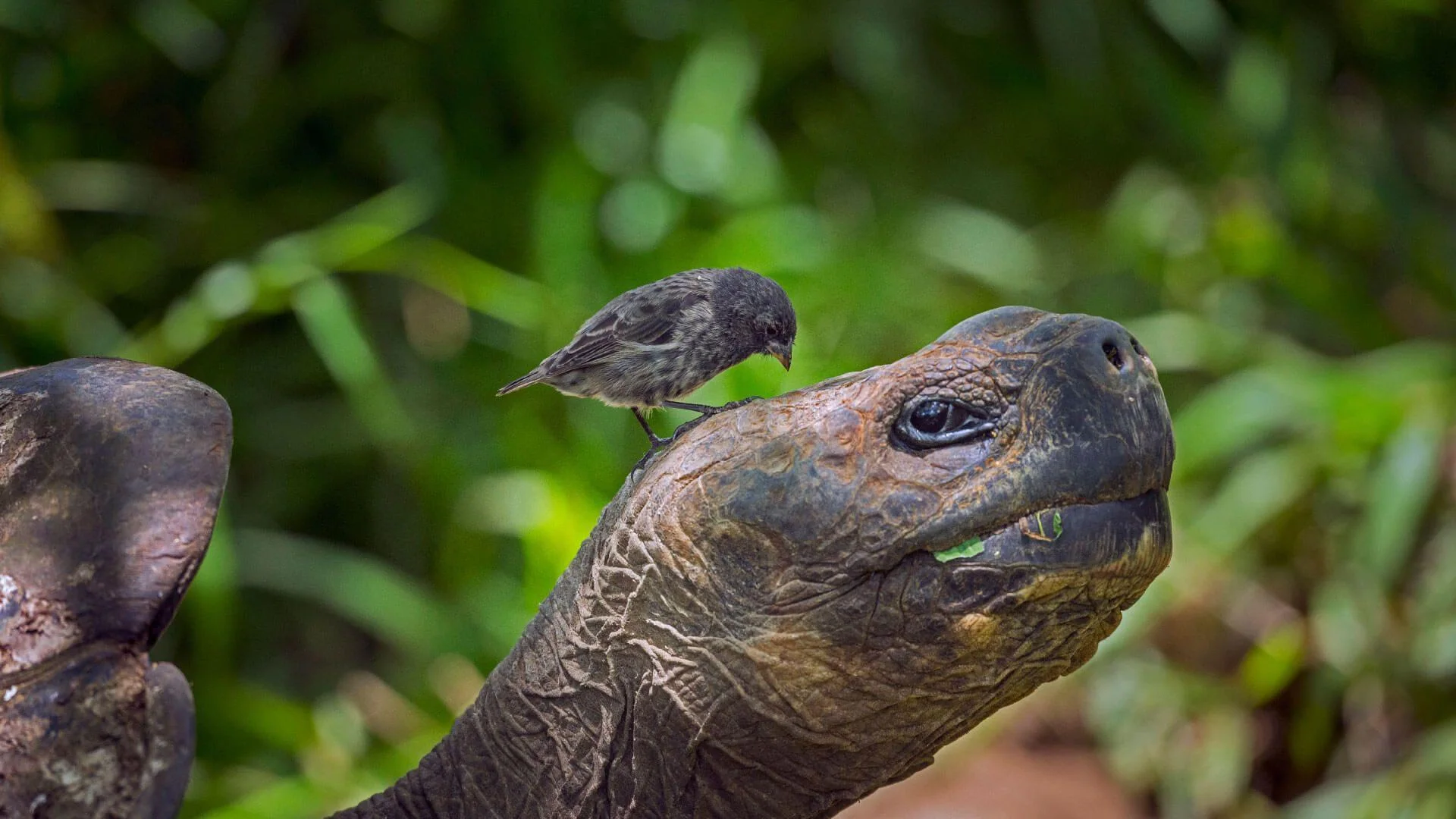
Discover the remarkable wildlife that inspired Darwin and continues to fascinate visitors today.
Explore
Understand the islands' two seasons, air and water temperatures, and what to expect throughout the year.
Explore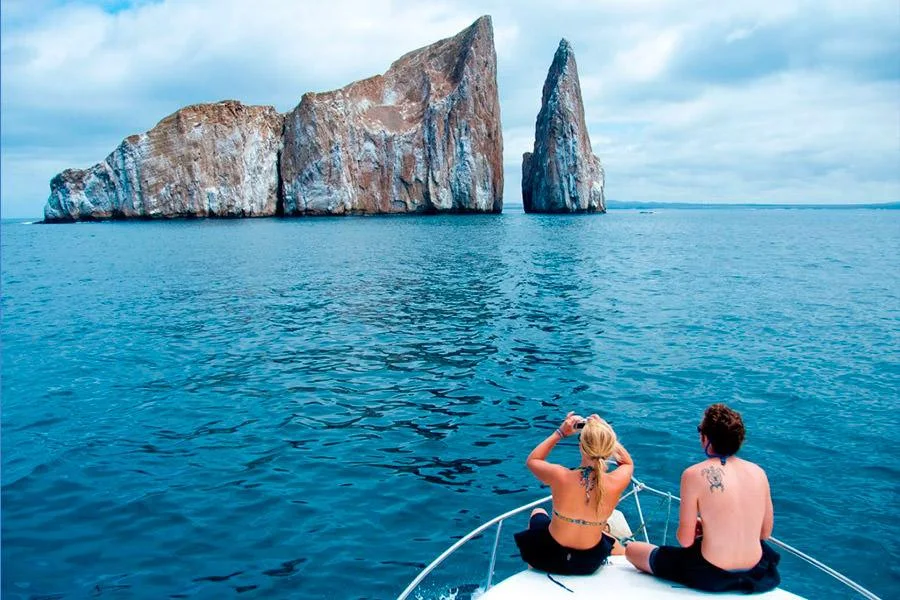
Discover the archipelago's most iconic places to visit, from volcanic landscapes and pristine beaches to world-famous wildlife and snorkeling sites.
Explore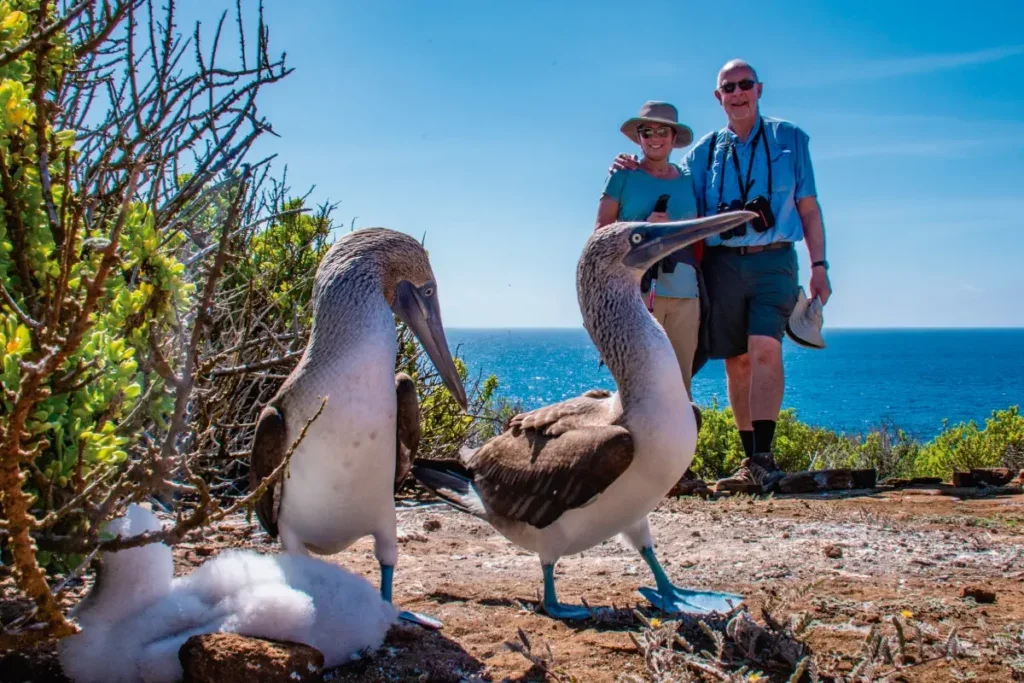
Explore what to expect each month, from wildlife activity and ocean conditions to travel considerations.
Explore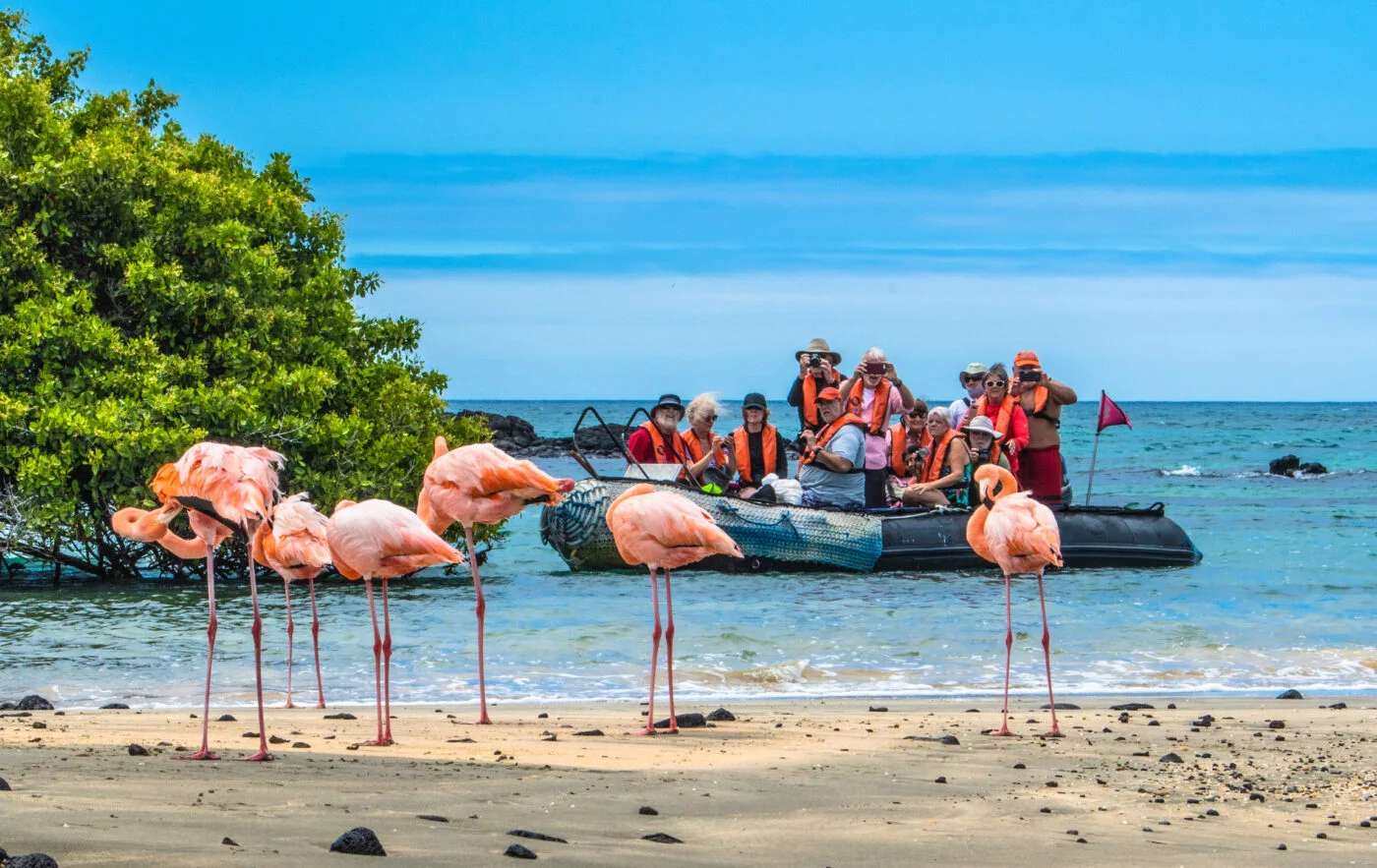
Compare the two main ways to experience the Galapagos and find the travel style that best fits your interests.
Explore