
Galapagos Penguins: 12 Fun Facts & Best Places to See Them
Discover 12 fascinating facts about Galapagos penguins and explore the best islands and snorkeling spots to look for them in the wild.
Published: · JPM
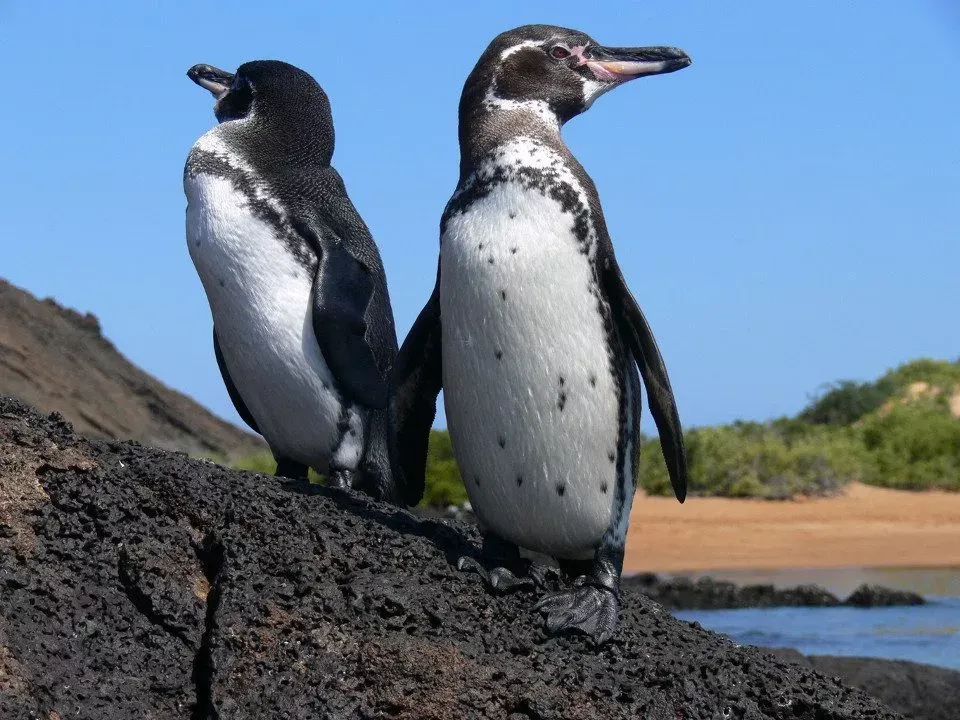
Yes, there really are penguins living on the equator — and seeing one swimming through turquoise water next to black volcanic lava is one of those moments that makes Galapagos feel completely different from anywhere else.
The Galapagos penguin (Spheniscus mendiculus) is one of the rarest penguins in the world and, for us, one of the most fun animals to look for in the islands.
Forget the classic image of huge penguin colonies surrounded by snow. In Galapagos, you might see one standing on a lava rock beside a cactus, kayak only a few meters away while it dives for fish, or have one suddenly race past you while you're snorkeling.
And sometimes you don't even need to be on an excursion.
I've personally watched Galapagos penguins swimming in the ocean from one of our Comfort category oceanfront hotels in Isabela. You're sitting there looking at the sea from your hotel and suddenly realize there are penguins swimming in front of you.
That's Isabela.
| Fact | Details |
|---|---|
| Scientific name | Spheniscus mendiculus |
| Conservation status | Endangered |
| What makes them unique? | The only penguin species naturally found north of the equator |
| Where to see them | Isabela, Fernandina, and Bartolomé |
| Best excursions | Kayaking at Las Tintoreras, snorkeling at Los Túneles & Cabo Rosa, and day trips to Bartolomé |
| Best way to spot them | Look along rocky coastlines and in cool, nutrient-rich waters |
12 Fun Facts About Galápagos Penguins
1. How Did Penguins Get to the Galápagos Islands?
It sounds almost impossible: how did an animal associated with cold climates end up living on the equator?
One leading scientific explanation is that the ancestors of today’s Galápagos penguins arrived from the South American coast, likely aided by the northward-flowing Humboldt Current. Over generations, this isolated population adapted to the archipelago’s unusual combination of tropical air temperatures and cold, nutrient-rich ocean waters.
The result is a penguin that lives among black volcanic rocks, coastal caves, and tropical vegetation rather than snow and ice. Its story is a remarkable example of how wildlife adapts to the environment around it.
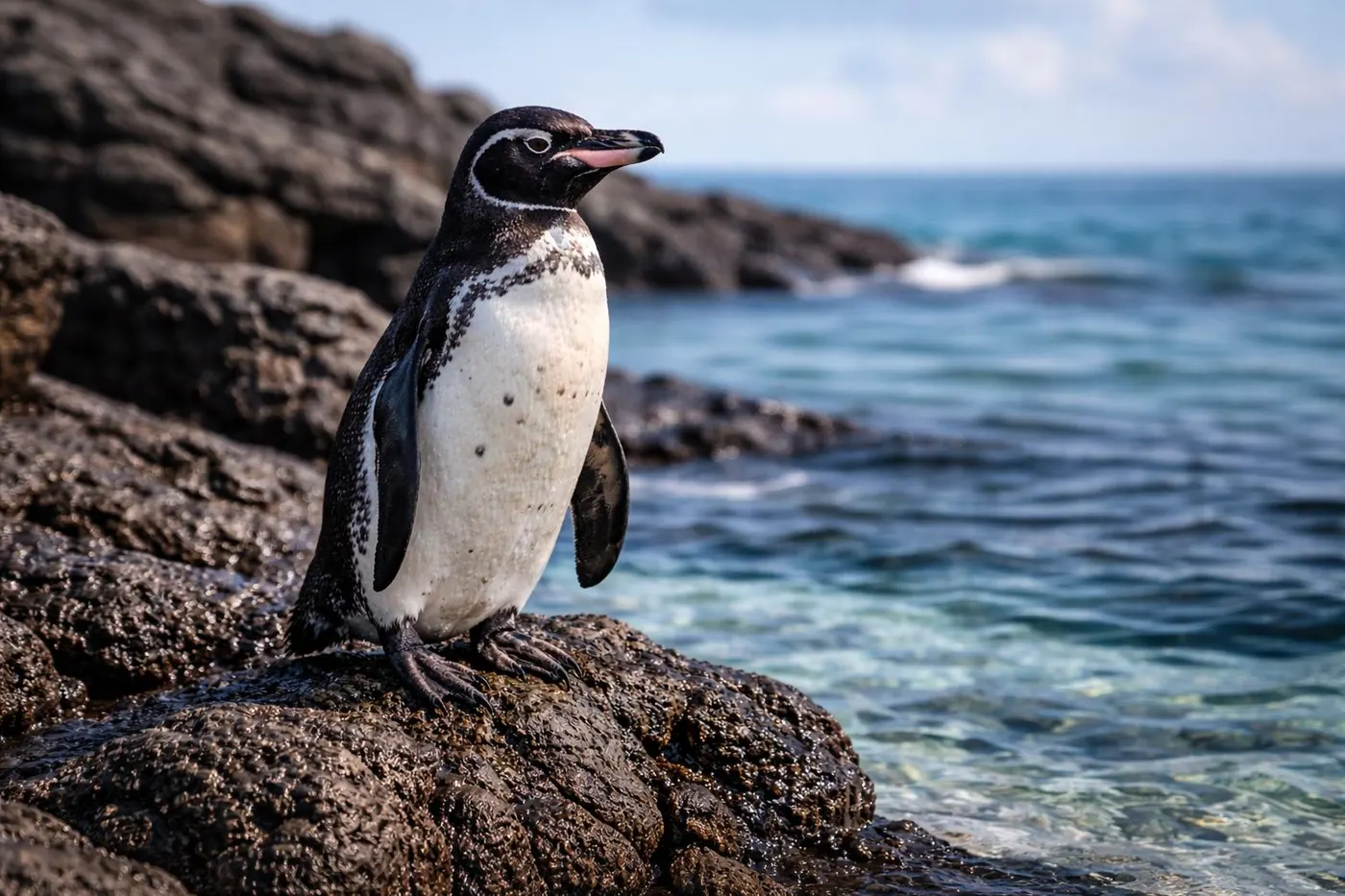
2. They Are the Northernmost Penguins in the World
The Galápagos penguin is the only penguin species whose natural range extends north of the equator. Some colonies live on the northern coast of Isabela Island, placing these birds in the Northern Hemisphere even though the species is native to a tropical archipelago.
Their survival here depends in part on the cold currents flowing through the islands. The Humboldt Current brings cooler water north from the South American coast, while the Cromwell Current helps bring nutrient-rich water toward the surface in the western Galápagos. Together, these ocean conditions support the fish that penguins depend on for food.
3. Around 95% of Galápagos Penguins Live Around Isabela and Fernandina
If seeing penguins is high on your Galápagos wish list, the western islands deserve particular attention. Approximately 95% of the population is concentrated around Isabela and Fernandina, where cool, productive waters provide important feeding and breeding habitat.
Smaller populations also occur elsewhere in the archipelago, including around some satellite islets. This is why the itinerary you choose matters: a visit to Isabela can offer opportunities to look for penguins from shore, by kayak, or during a snorkeling excursion, while certain cruises reach more remote areas around western Isabela and Fernandina.
Wildlife sightings are never guaranteed, but understanding where penguins tend to concentrate can help you plan more thoughtfully.
4. They’re Surprisingly Small
Galápagos penguins are among the world’s smallest penguin species. Adults measure roughly half a meter in size and weigh around 2.5 kilograms, making them compact, agile birds well suited to moving through narrow volcanic crevices and coastal caves.
Their size is particularly striking when you see one on land beside a marine iguana or standing on a dark lava rock. But don’t let their small stature fool you: underwater, they become remarkably fast and efficient hunters.
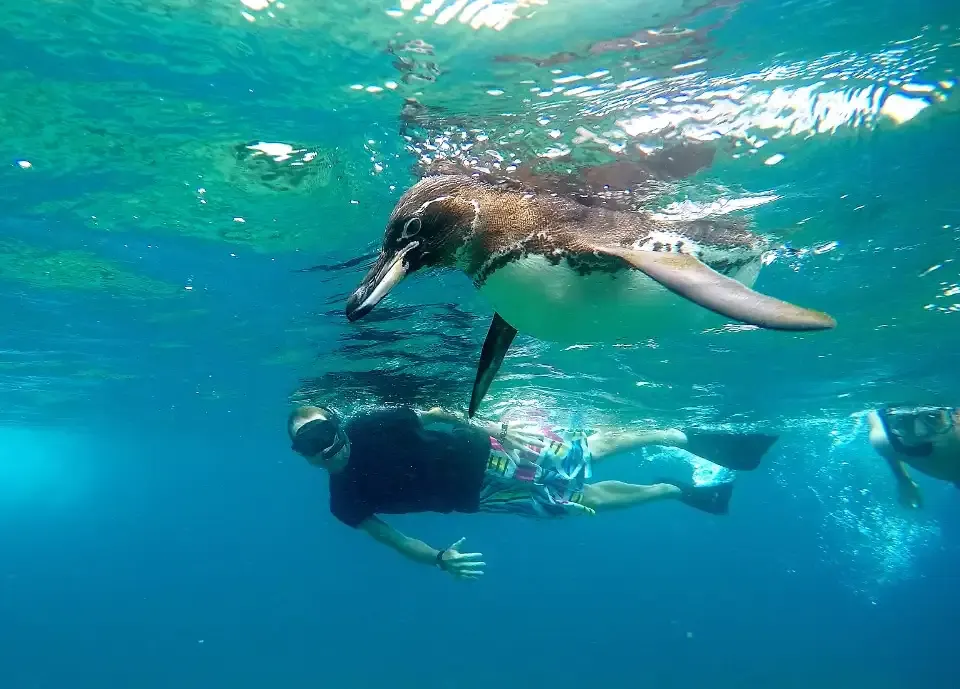
5. They’re Much Faster Underwater Than They Look on Land
On land, a Galápagos penguin might hop across uneven lava or stand quietly on a rocky ledge. Underwater, it is a different animal altogether. Its streamlined body and powerful flippers allow it to accelerate rapidly and turn with impressive precision while chasing fish.
Galápagos penguins can reach underwater speeds of up to around 35 kilometers per hour (22 miles per hour) when hunting. During a snorkeling excursion, you might see one glide past in a flash and disappear before you’ve had time to focus your camera. Their speed is part of what makes these encounters so exciting—and sometimes frustrating for anyone hoping to get the perfect photo.
6. You Can Sometimes Snorkel Alongside Them
One of the most memorable wildlife encounters in the Galápagos is seeing a penguin swimming through the water nearby. At certain snorkeling sites, you may encounter penguins alongside sea turtles, rays, reef fish, and other marine life.
Places such as Los Túneles and Cabo Rosa on Isabela, as well as Bartolomé, offer opportunities to look for them in the water. Encounters vary with location, ocean conditions, and wildlife activity, so no excursion can guarantee a sighting. But when a penguin suddenly darts past your mask, even for a few seconds, it’s an experience that’s difficult to forget.
Always follow your naturalist guide’s instructions and allow wildlife to move freely without pursuing or disturbing it.
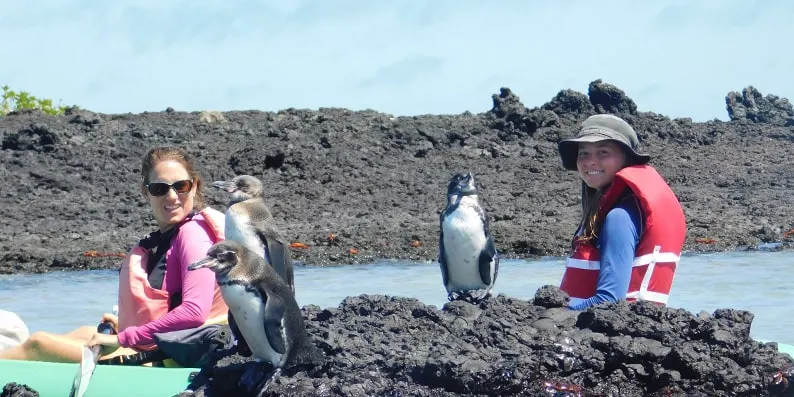
7. Kayaking at Las Tintoreras Is a Great Way to Look for Them
Just off Puerto Villamil on Isabela Island, Las Tintoreras is a group of small islets surrounded by clear water and striking black lava formations. Depending on the excursion and conditions, visitors may explore the area by kayak, by panga, or on a guided walking trail.
Galápagos penguins can sometimes be seen resting on the rocks or moving through the surrounding water. The area is also known for marine iguanas, sea turtles, sea lions, rays, and whitetip reef sharks, making it an interesting place to observe several kinds of wildlife in one visit.
It’s worth remembering that the appeal of Las Tintoreras isn’t limited to finding a particular animal. The contrast between turquoise water, black volcanic rock, and wildlife living naturally around the coastline is part of what makes the experience distinctive.
8. They Have Clever Ways to Stay Cool on the Equator
Living in the tropics presents a challenge for a penguin, but the Galápagos species has several adaptations that help it regulate body temperature. It can release heat through relatively bare areas of skin around its feet and face, pant when temperatures rise, and hold its flippers away from its body to help dissipate heat.
Finding shade is just as important. Penguins often shelter in cool, shaded crevices along the coast, especially during warmer periods. Their small size and relatively thin layer of insulating fat also help distinguish them from penguin species adapted to much colder environments.
They may live in the tropics, but staying cool is still an important part of their daily routine.
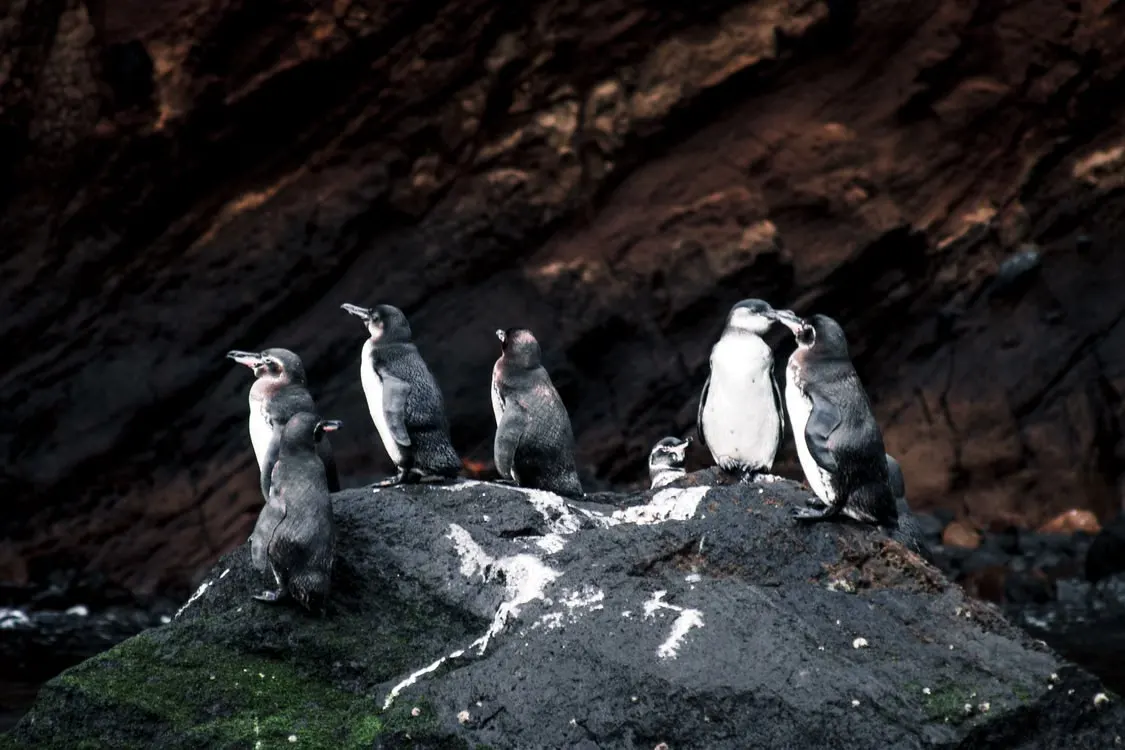
9. They Nest in Volcanic Caves and Crevices
Instead of building nests on snow or soft ground, Galápagos penguins use natural cavities along the rocky coastline. Lava caves and crevices provide shaded spaces where they can shelter their eggs and chicks from intense sunlight and some predators.
These nesting spots also keep the birds close to the sea, allowing adults to forage for fish without traveling far from their nests. The same volcanic landscape that makes the islands look so unusual therefore plays a practical role in the penguins’ survival.
For visitors, a penguin resting beside a black lava formation may look like a perfect photo opportunity. For the bird, that same rock may be part of the habitat it depends on.
10. El Niño Can Have Serious Consequences for Them
Galápagos penguins rely on a food supply supported by cold, nutrient-rich ocean waters. During strong El Niño events, warmer sea temperatures can reduce the upwelling of nutrients that supports marine productivity. With fewer fish available, penguins may struggle to find enough food to survive and raise their young.
Past major El Niño events have caused severe declines in the population. This vulnerability is one reason the species is so closely monitored by scientists and conservation teams.
Their story is a reminder that life in the Galápagos depends on a delicate relationship between ocean currents, climate, and the food webs that connect marine species.
11. Galápagos Penguins Are an Endangered Species
The Galápagos penguin is classified as Endangered on the IUCN Red List. Its restricted geographic range and relatively small population make it particularly vulnerable to environmental changes, especially when warmer ocean conditions reduce the availability of prey.
Introduced predators and other pressures on nesting habitat can also affect the species. Conservation work includes monitoring populations, protecting sensitive breeding areas, and managing threats that could harm penguins and their habitat.
Seeing one in the wild is a privilege, but it also comes with a responsibility: keep your distance, follow park regulations, and never touch, feed, or pursue the animals.
12. They Can Breed Throughout the Year
Unlike many bird species with a single, clearly defined breeding season, Galápagos penguins can breed throughout the year. The timing of breeding and the success of each nesting attempt are influenced by local conditions, particularly food availability and changes in ocean productivity.
This flexibility matters in an environment where conditions can vary considerably from one period to another. When food is plentiful, penguins have better opportunities to support reproduction; when conditions become unfavorable, breeding success can suffer.
It’s another example of how closely these remarkable birds are connected to the ocean around them—and why protecting their marine habitat is essential to their future.
Where Is the Best Place to See Galapagos Penguins?
If seeing Galapagos penguins is high on your bucket list, two islands deserve particular attention: Isabela and Fernandina. Around 95% of the Galapagos penguin population lives around these western islands, where cool, nutrient-rich waters provide important feeding habitat.
For travelers choosing an island-hopping itinerary, Isabela is an especially practical base. From Puerto Villamil, you can join a kayak or walking excursion around Tintoreras Islet and take a boat trip to Los Túneles & Cabo Rosas. If you’re traveling by cruise, certain itineraries reach the remote western shores of Isabela and Fernandina, while others visit sites such as Bartolome Island.
The best option depends on how you prefer to travel, how much time you have, and which visitor sites are included in your itinerary.
Where to Look for Galapagos Penguins
| Travel style | Recommended places | How you can explore |
|---|---|---|
| Island hopping | Tintoreras, Los Túneles & Cabo Rosas, and potentially Bartolome Island | Kayaking, guided walks, snorkeling excursions, and day yachts |
| Galapagos cruise | Western Isabela, Fernandina, and Bartolome Island when included in the route | Panga rides, guided snorkeling, and shore excursions, depending on the itinerary |
For island hopping, we often recommend spending time on Isabela because it gives you several opportunities to explore penguin habitat from different perspectives. Cruises offer a different advantage: access to remote visitor sites along the western coast of Isabela and around Fernandina.
Neither option guarantees a sighting, but choosing an itinerary that visits the right areas can improve your opportunities.
Three Great Places to Look for Galapagos Penguins
1. Tintoreras, Isabela
If someone asks us where to look for penguins on an island-hopping trip, Tintoreras is one of the first places we mention.
Just off Puerto Villamil, this small group of islets is surrounded by black volcanic formations and clear coastal water. Depending on the excursion you choose, you can explore the area by kayak or join a guided walking tour along the islet. Galapagos penguins are sometimes spotted resting on the rocks or darting through the surrounding water.
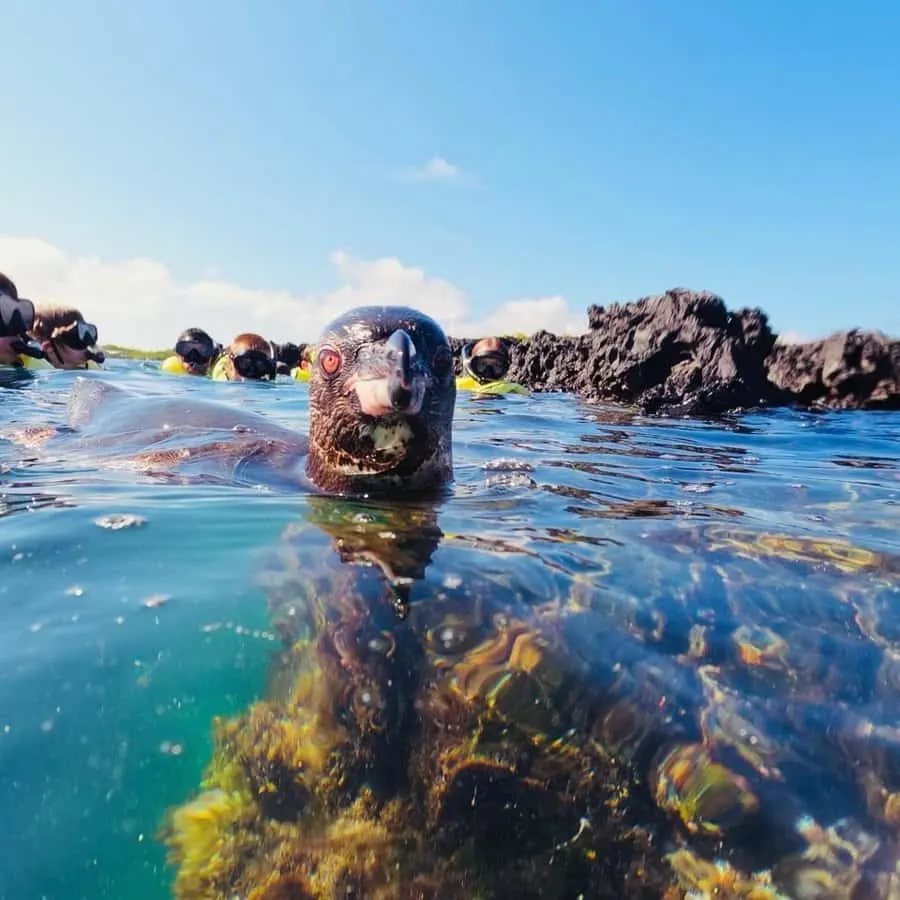
Kayaking is particularly enjoyable because it lets you explore the coastline from water level. You may also encounter marine iguanas, sea turtles, rays, sea lions, and whitetip reef sharks, making the outing worthwhile even if the penguins remain out of sight.
For travelers staying on Isabela, Tintoreras is one of the most convenient places to begin looking for them.
2. Los Túneles & Cabo Rosas
Los Túneles & Cabo Rosas is another excursion worth considering if penguins are high on your list, especially if you enjoy snorkeling.
The area is known for its distinctive volcanic formations, where collapsed lava flows have created arches, channels, and shallow pools. Underwater, you may encounter sea turtles, rays, reef sharks, tropical fish, and, occasionally, Galapagos penguins moving rapidly through the water.
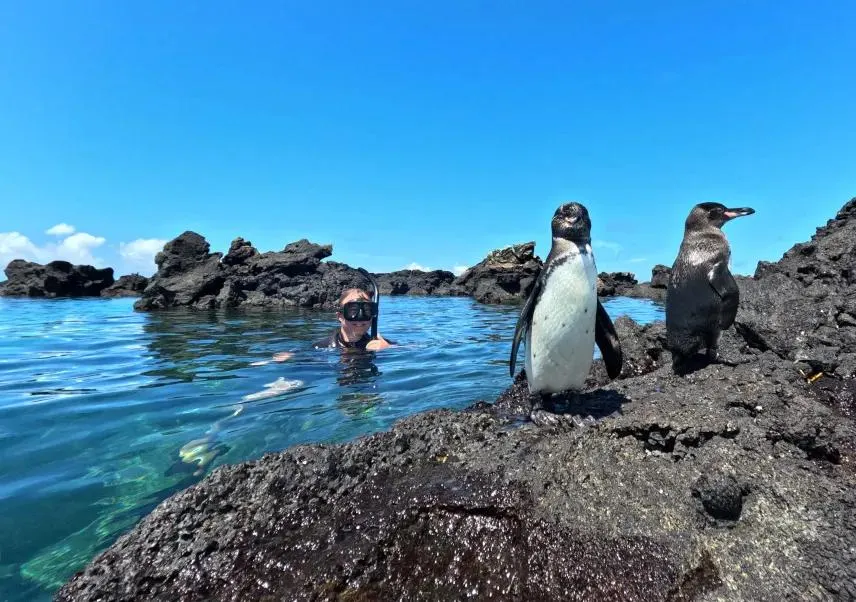
One of the joys of snorkeling here is that you never quite know what will appear next. A penguin may glide past your mask and disappear before you have time to raise your camera. That unpredictability is part of the experience.
An important planning detail: Los Túneles & Cabo Rosas is typically visited on a day-boat excursion from Isabela rather than as a regular stop on a conventional Galapagos cruise. If this site is a priority, an island-hopping itinerary that includes time on Isabela is worth considering.
3. Bartolome Island
Bartolome offers a different setting for looking for Galapagos penguins. The island is famous for Pinnacle Rock and its dramatic volcanic scenery, but its coastal waters are also a known place to look for penguins while snorkeling.
A typical visit combines a walk to the panoramic viewpoint with time by the beach and an opportunity to explore the water. Galapagos penguins may be seen swimming near Pinnacle Rock, alongside sea turtles, sea lions, and other marine wildlife.
Bartolome can be visited on certain day-yacht excursions from Santa Cruz or as part of a cruise itinerary. The exact options depend on the departure, schedule, and availability.
For travelers who want to combine the penguin habitats around Isabela with another well-known snorkeling site, Bartolome can be a valuable addition to the itinerary.
Best Island-Hopping Itineraries for Penguin Lovers
You don’t need to take a cruise to have rewarding opportunities to see Galapagos penguins. Staying on Isabela gives you access to several excursions in the waters around the island, and the right itinerary can make it easier to include more than one.
6-Day Galapagos Wisdom Tour – IDEAL
Best for: A shorter island-hopping trip with two penguin-focused excursions
Our 6-Day Galapagos Wisdom Tour – IDEAL combines Santa Cruz, Isabela, and a day excursion to Santa Fe.
For penguin enthusiasts, the most relevant part of the itinerary is the time on Isabela. One excursion takes you to Los Túneles & Cabo Rosas for snorkeling, while another offers kayaking around Tintoreras Islet, where you can look for penguins among the black lava formations.
These outings give you two different ways to explore the waters around Isabela without committing to a longer cruise. Sightings depend on conditions and wildlife activity, but the itinerary is a practical option for travelers who want to focus on the island’s marine life.
8-Day Galapagos 360 Tour “A” – IDEAL
Best for: A broader island-hopping route with more variety
If you have more time, our 8-Day Galapagos 360 Tour “A” – IDEAL offers a wider journey through the archipelago, combining Santa Cruz, Santa Fe, Isabela, and San Cristobal.
Like the six-day itinerary, it includes opportunities to look for penguins around Isabela through kayaking at Tintoreras and snorkeling at Cabo Rosa. It also includes a scenic inter-island flight and an excursion to Kicker Rock near San Cristobal, adding further variety to the trip.
This route is especially appealing if you want to combine your search for penguins with different landscapes, visitor sites, and wildlife experiences across several islands.
Could You Add Bartolome Island?
Potentially, yes. Depending on your travel dates and the itinerary, a day-yacht excursion to Bartolome may be another option to discuss with your Galapagos Travel Assistant.
Combining the penguin areas around Isabela with Bartolome would give you opportunities to explore different parts of the archipelago. However, Bartolome should not be assumed to be included in either itinerary by default; confirm whether an excursion can be added before booking.
Best Galapagos Cruises for Penguin Watching
Cruises offer a different way to look for Galapagos penguins. Depending on the route, they can reach remote areas of western Isabela and Fernandina, where much of the penguin population lives.
Not every cruise visits the same sites. Before choosing a vessel, check its actual itinerary and departure dates to confirm which western visitor sites are included.
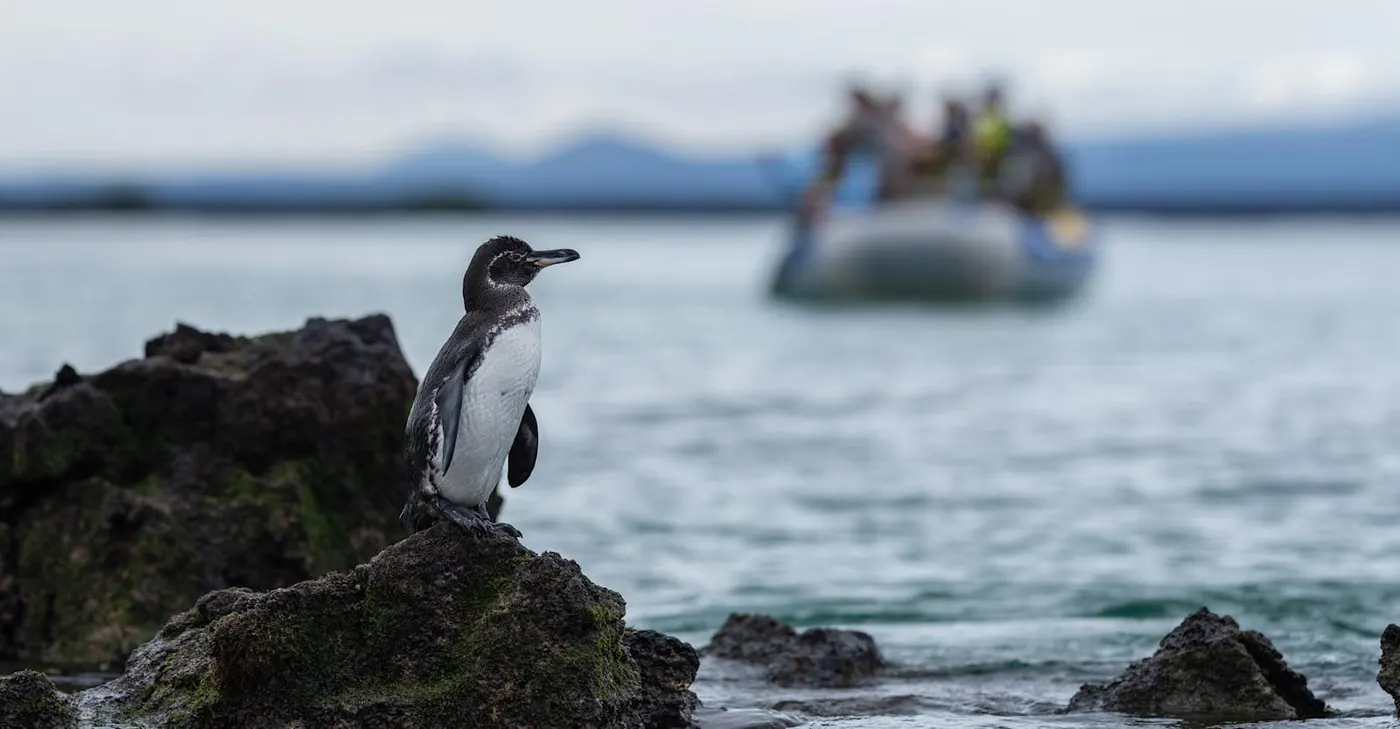
Yacht Monserrat – Itinerary D+A
The Monserrat cruise is worth considering if you want to combine Bartolome with the western islands.
Its D+A route lists Bartolome, Vicente Roca Point on Isabela, Punta Espinoza on Fernandina, Urbina Bay, and Tagus Cove. This combination offers opportunities to explore both a well-known snorkeling site and remote sections of the western archipelago.
Always confirm the departure-specific itinerary, since the sites visited depend on the selected route.
M/C Seaman Journey – First-Class Catamaran
For travelers looking for a First-Class cruise, the Seaman Journey is another option to explore. Its western itineraries are particularly relevant to penguin enthusiasts because they can include areas around western Isabela and Fernandina.
The most important consideration is the route rather than the vessel category alone. Review the specific itinerary and confirm that it includes the visitor sites you want to experience.
Browse Smart Galapagos First-Class cruise options to explore the category and discuss suitable departures with your Travel Assistant.
Yacht La Pinta – Luxury Expedition
For travelers who prefer a more upscale expedition, La Pinta is another option to consider. Depending on the itinerary, routes may include western Isabela, Fernandina, or Bartolome.
If your priority is seeing Galapagos penguins, ask specifically which itinerary visits these locations rather than choosing a cruise based on comfort level alone.
You can explore Smart Galapagos premium cruise options and confirm the available routes before making a decision.
Island Hopping vs. Cruise: Which Is Better for Penguin Watching?
Both styles of travel can offer worthwhile opportunities, but they provide different ways to explore the islands.
Choose island hopping if you want to stay on Isabela and join specific excursions such as kayaking at Tintoreras and snorkeling at Los Túneles & Cabo Rosas. Spending several days on the island gives you direct access to these activities without having to rely on a cruise route to include them.
Choose a cruise if your priority is exploring remote western Isabela and Fernandina, especially as part of a longer expedition that visits several wildlife-rich sites.
Consider combining both if your time and budget allow. A cruise through the western islands followed by several nights on Isabela can give you access to remote visitor sites as well as the day excursions around Puerto Villamil. It’s a more involved trip, but it lets you experience Galapagos from two different perspectives.
Hoping to See Galápagos Penguins?
Wildlife sightings can never be guaranteed, but choosing the right itinerary can make a difference. Tell us your travel dates, budget, and whether you prefer island hopping or a cruise.
Our local team will help you find the best route for your interests, with opportunities to explore penguin habitats around Isabela, Fernandina, and beyond.
Continue Exploring
More Travel Guides from the Smart Galapagos Journal
Galapagos Travel FAQs: Everything You Need to Know Before You Go
Read Article
The Smart Galapagos Difference: Why Specialists Matter
Read Article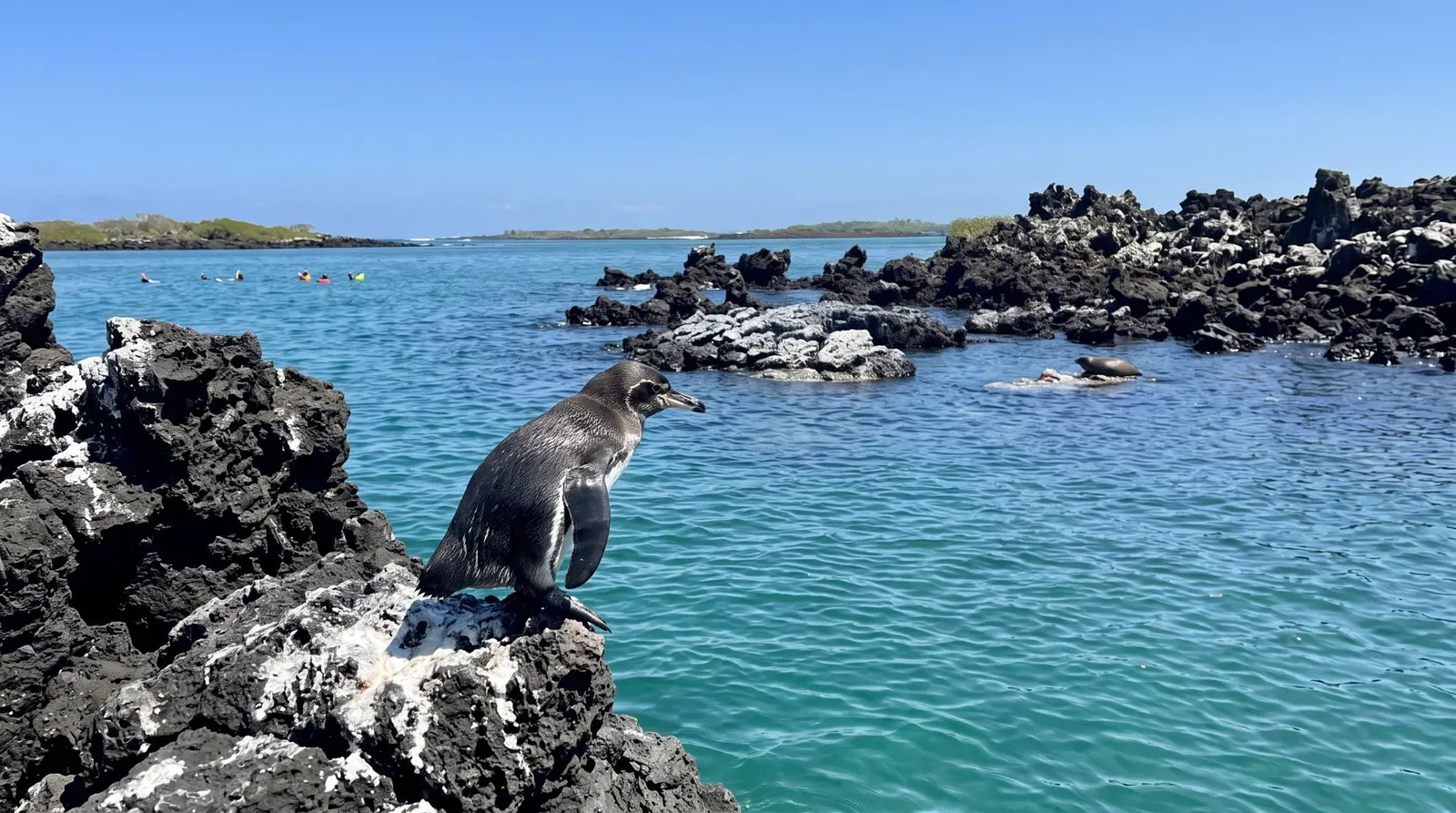
Instagram vs. Reality: Is Galapagos Really Worth the Hype?
Read Article
7 Best Galapagos Tours for Couples: Island Hopping & Romantic Cruises
Read Article
How to Choose the Perfect Galapagos Cruise: A Complete Guide
Read Article
What to Pack for Galapagos: Complete Packing Guide
Read Article
Galapagos Giant Tortoises: Where to See Them, Best Time to Visit & Best Tours
Read Article
Galapagos Travel Guide 2026: Smart Tips for Planning Your Trip
Read Article
Why Visit Galapagos? 8 Reasons It Belongs on Your Travel List
Read Article
Best Galapagos Island Hopping Tours for Couples: 7 to 10 Day Itineraries
Read Article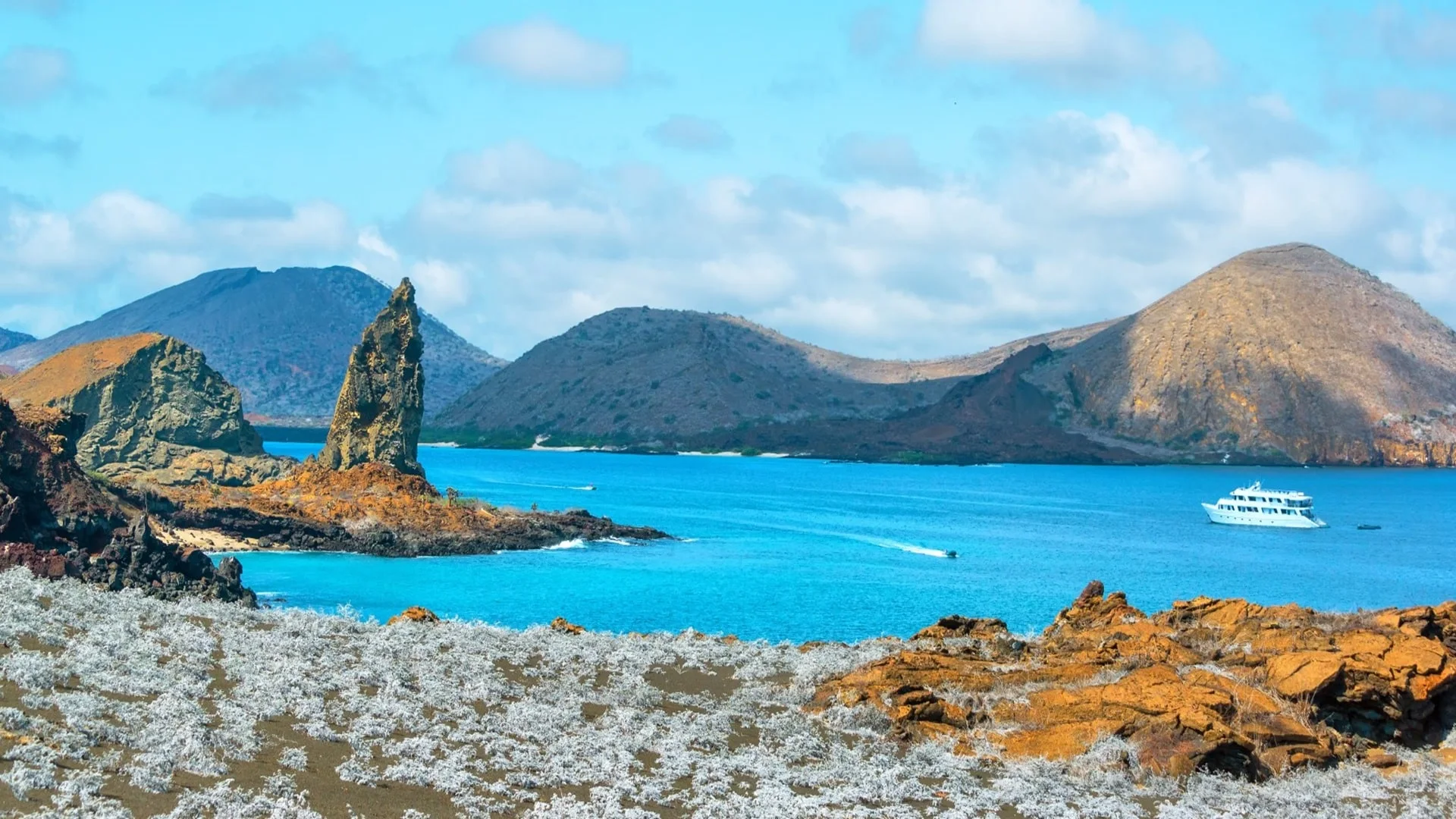
Bartolome Island & Sullivan Bay: Why We Love It
Read Article
North Seymour Island Yacht Tour: Why We Love It
Read Article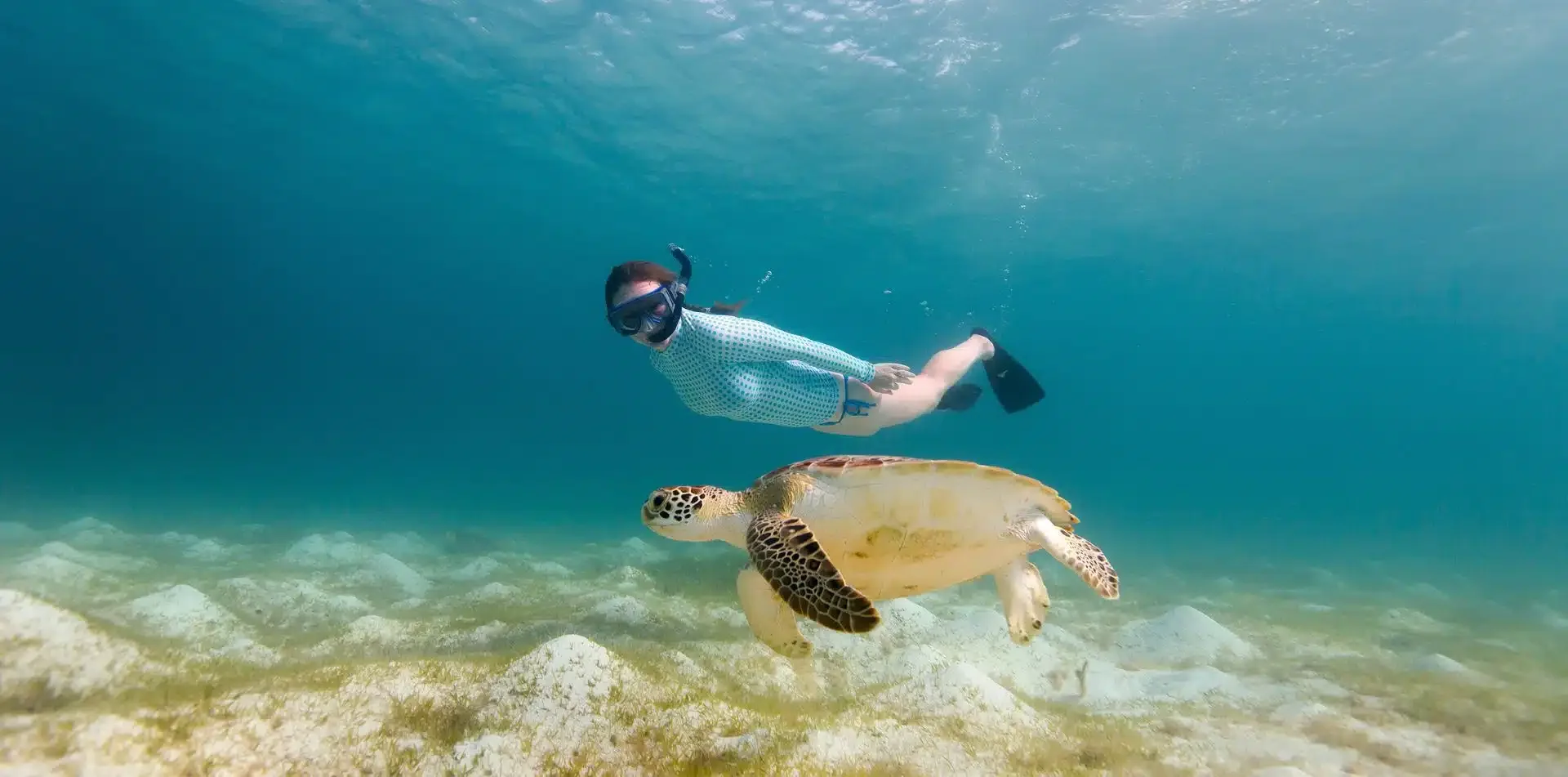
Why Travel to Galapagos with Smart Galapagos?
Read Article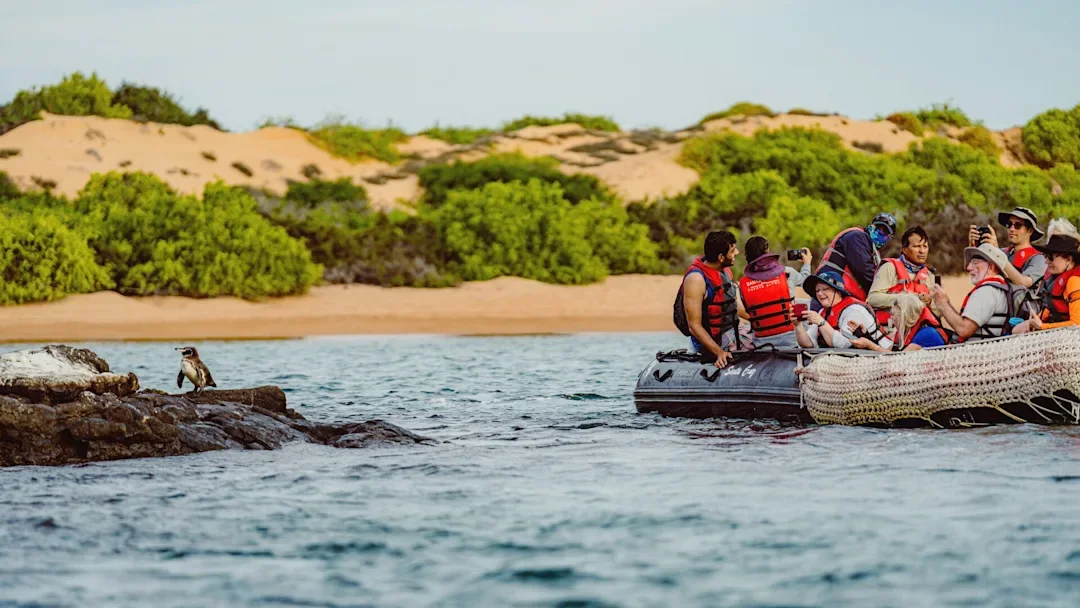
Galapagos Cruise vs Island Hopping: Which Is Better for Your Trip?
Read Article
Best Time to Visit Galapagos: Month-by-Month Weather & Wildlife Guide
Read Article
Galapagos Honeymoon on a Budget: The Ultimate Guide for Young Couples
Read Article
Do You Need a Guide in the Galapagos?
Read Article