
El Niño in Galapagos: Wildlife, Weather & Travel Guide
Published: · JPM
Should you postpone or change your Galapagos vacation due to El Niño?
Short answer... No need, you can still enjoy Galapagos but with a few smart considerations. Here is a full guide.
How El Niño changes the ocean, wildlife and weather in Galapagos, and what travelers should actually know before their trip.
If you are planning a Galapagos trip and have seen El Niño in the news, it is normal to wonder what it actually means for your vacation.
Will it rain every day? Will you still see wildlife? Will cruises or Island Hopping tours operate normally?
The reassuring answer is that El Niño changes Galapagos, but it does not mean tourism stops or that you should automatically postpone your trip. What matters is understanding what may change and keeping realistic expectations about wildlife and all Galapagos nature.
El Niño 2026–2027: What We Know Now
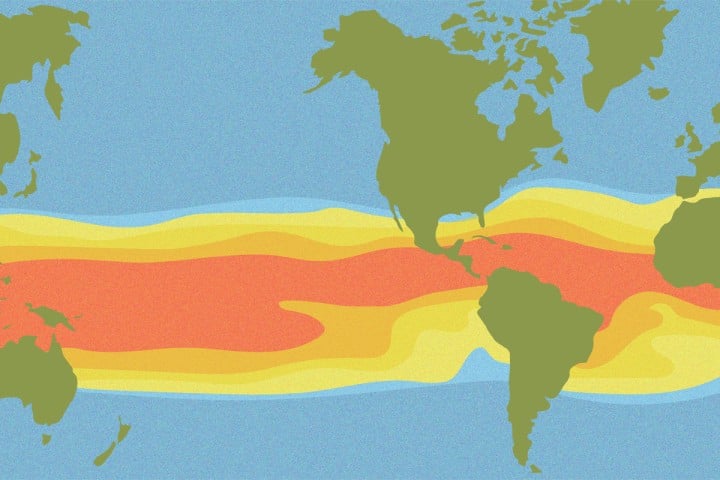
As of November 2026, El Niño is already underway and strengthening.
NOAA's latest outlook says a strong to very strong El Niño is likely to persist through January–March 2027, with a probability above 83%.
The Charles Darwin Foundation is already monitoring warmer ocean temperatures, changing currents and how those changes may affect food availability and wildlife around the islands.
But an important point is often lost in the headlines: A strong El Niño forecast does not tell us exactly what conditions will be like on every island or on every day of your trip.
El Niño in Galapagos at a Glance
| What Changes | What Travelers May Notice |
|---|---|
| Ocean temperature | Warmer water |
| Rain | More frequent showers possible |
| Landscapes | Greener vegetation |
| Marine food supply | Can decrease as upwelling weakens |
| Marine wildlife | Some species may have a harder breeding or feeding season |
| Land wildlife | Some species can benefit from increased vegetation |
| Snorkeling | Warmer water, but wildlife conditions can vary |
| Tours | Usually continue, with adjustments if conditions require |
Smart Tip: If you are traveling in late 2026 or early 2027, pay more attention to actual conditions closer to departure than to dramatic headlines several months in advance. Your Smart Galapagos travel advisor can let you know of current conditions up to date.
What Is El Niño?
El Niño is a natural climate cycle in the tropical Pacific Ocean that brings warmer ocean conditions and can increase rainfall around Galapagos.
Normally, cold currents around Galapagos bring nutrient-rich water toward the surface. Those nutrients support phytoplankton, small fish and ultimately much of the extraordinary marine food chain.
With warmer waters during El Niño, less food may be available for animals that depend on the ocean.
How Does El Niño Affect Galapagos Wildlife?
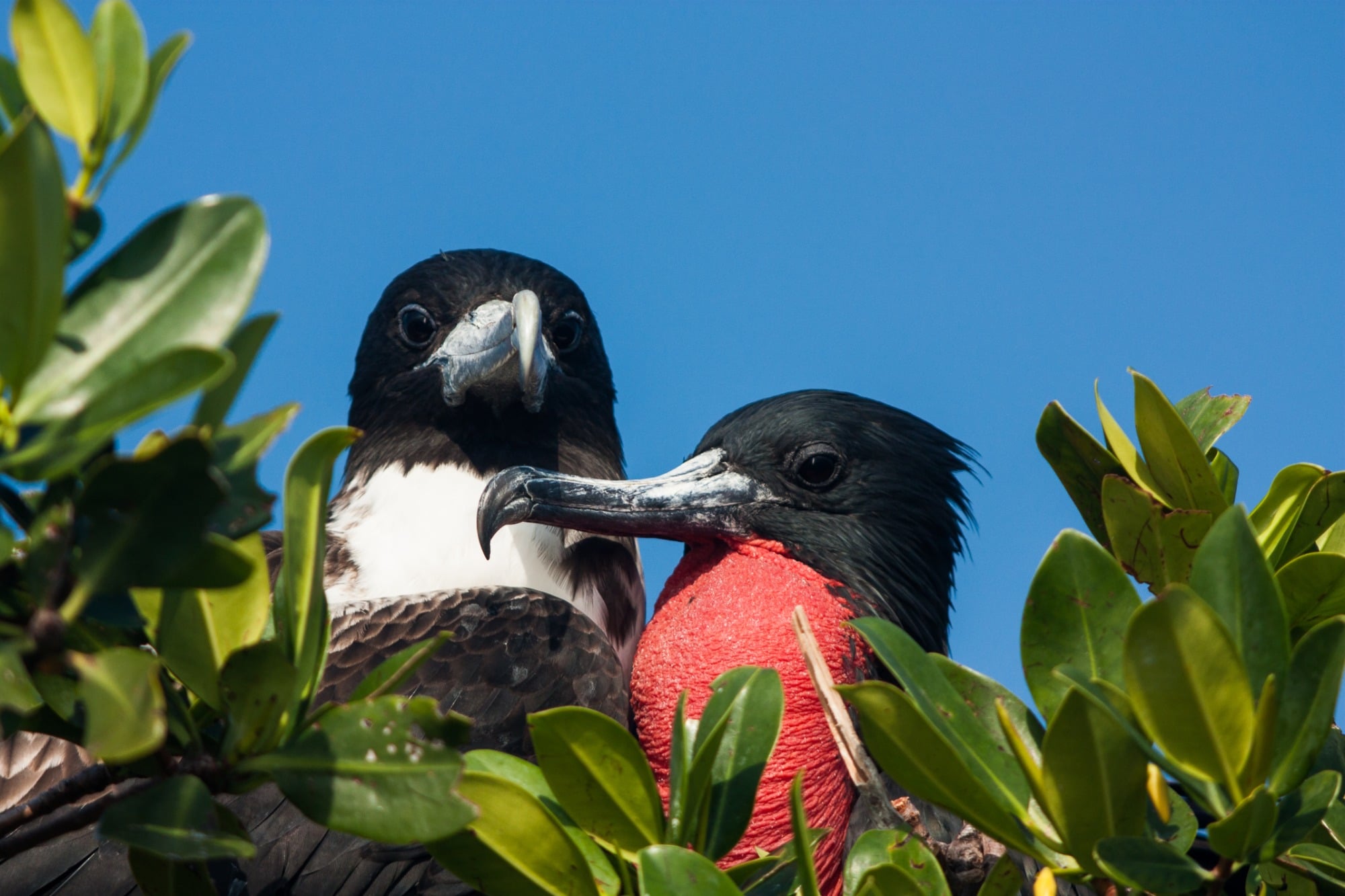
Marine wildlife usually faces the greatest challenge. Galapagos penguins, marine iguanas, sea lions, flightless cormorants, Blue-footed boobies and other seabirds depend heavily on productive, food-rich waters. If food becomes scarce, animals may travel farther to feed, lose condition or reduce their breeding activity.
This does not mean they suddenly disappear. In fact, scientists emphasize that some effects may take time to become visible. Changes in ocean productivity can happen first, followed later by changes in reproduction, behavior or places where animals concentrate.
If penguins are one of your priorities, read our Galapagos Penguin Guide.
What Happens on Land?
More rain can transform normally dry Galapagos landscapes into surprisingly green environments.
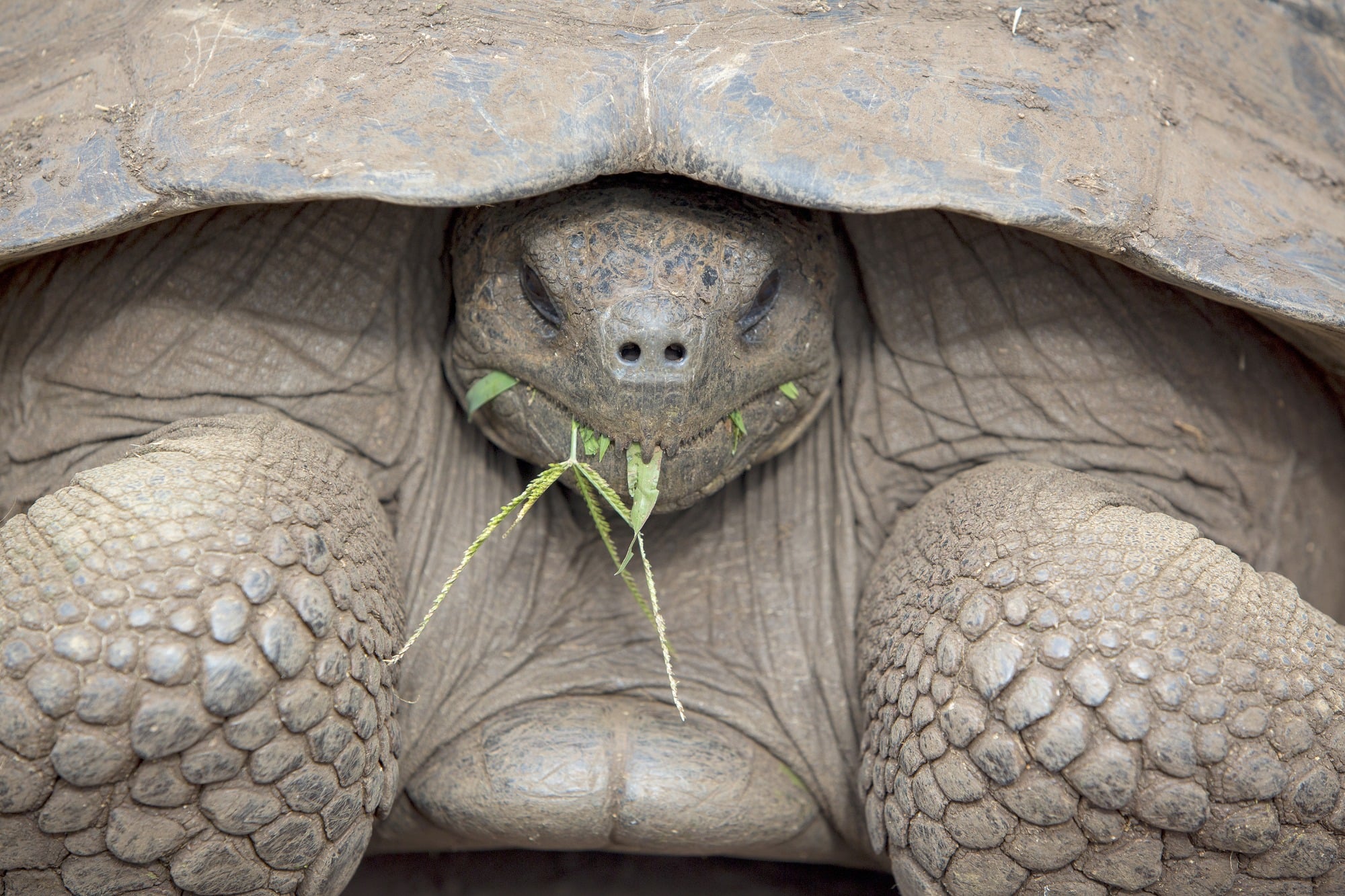
That additional vegetation may provide more food for species such as Giant Galapagos tortoises, land iguanas and Darwin's finches.
But we cannot simplify El Niño as “good for land animals and bad for marine animals" because heavy rainfall can also create erosion, flooding and changes to nesting areas. Different species respond in different ways.
Will I Still See Wildlife During El Niño?
Yes, absolutely! Galapagos does not become empty of wildlife during El Niño.
Sea lions remain on beaches, giant tortoises continue roaming the highlands, marine iguanas gather along the coast and seabirds continue feeding at some spectacular visitor sites.
What may become less predictable is where some animals concentrate, how successfully they reproduce and which wildlife encounters are strongest during your particular visit.
That is one reason we never guarantee wildlife sightings — during El Niño or during a normal year.
Is Snorkeling Different During El Niño?
Most probably yes! The ocean is generally warmer, which many travelers actually find more comfortable for snorkeling. In August & September for example, past years many travelers asked us for wet suits constantly, a requirement we had much less often this 2026 since the waters are warmer.
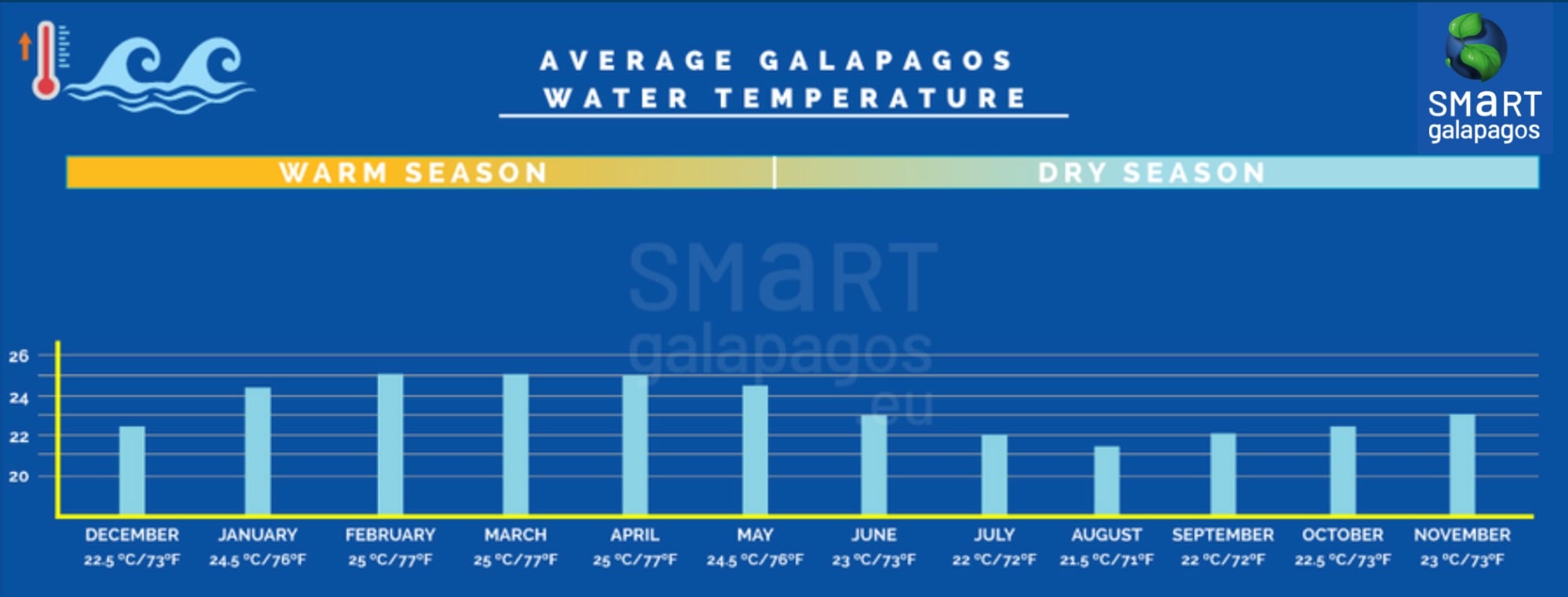
Some El Niño conditions can also produce clearer water because there is less plankton, although visibility varies greatly between visitor sites and days.
The trade-off is that the same reduction in plankton and nutrients can mean less food for the marine ecosystem. So warmer, clearer water may feel more comfortable for us while creating more challenging conditions for some marine wildlife.
Will Cruises and Island Hopping Tours Still Operate?
Yes. El Niño itself does not mean Galapagos cruises, Island Hopping tours or day excursions automatically stop.
You can see our live availability of Galapagos cruises here, all cruises are still operating and will continue to do so.
Individual activities can occasionally change because of extreme weather, sea conditions, National Park decisions or safety considerations, something that can happen in Galapagos during any year.
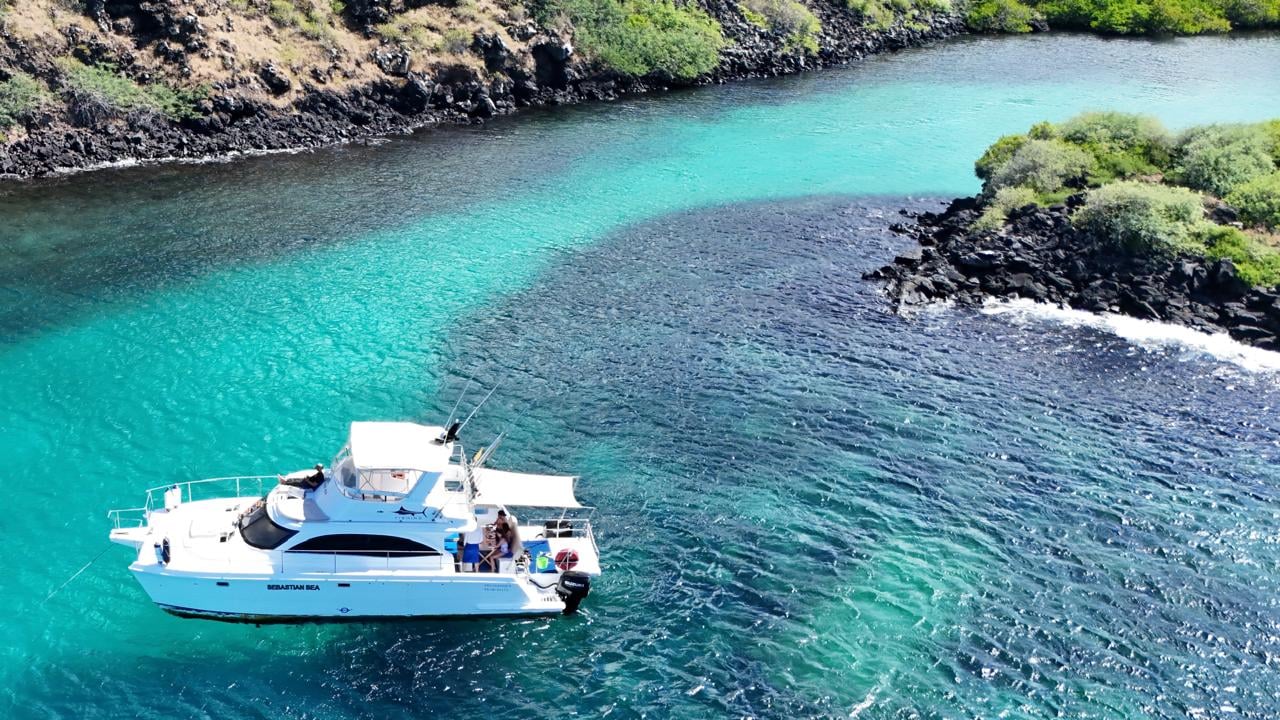
This is one reason our Galapagos island hopping itineraries combine different islands, environments and activities instead of making the entire trip depend on just one wildlife encounter.
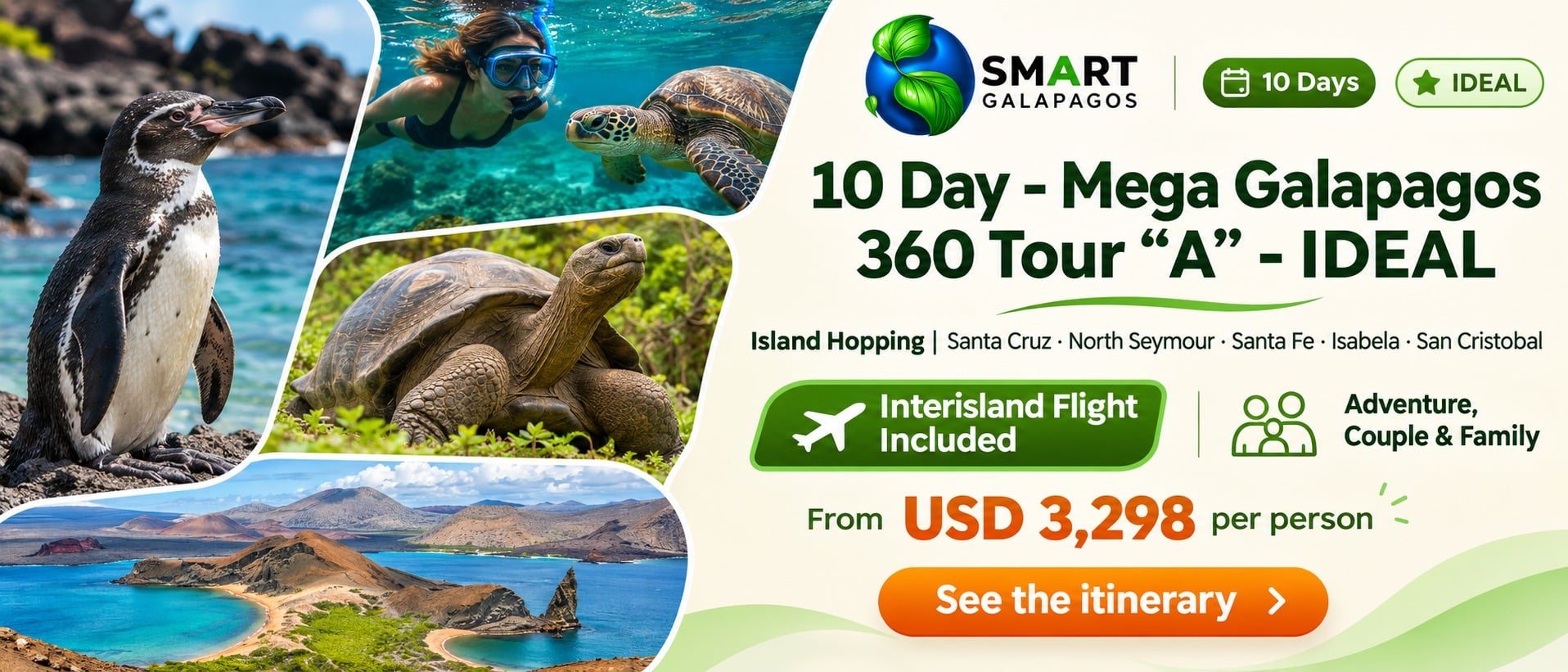
Our 8 Day Galapagos 360 Tour “A” – Ideal, for example, combines Santa Cruz, Santa Fe, Isabela and San Cristobal with highland tours, snorkeling, kayaking, volcanic landscapes and marine excursions.
Should I Cancel My Galapagos Trip Because of El Niño?
In most cases, we would not cancel a Galapagos trip simply because El Niño has been forecast.
The islands remain open, tours continue operating and Galapagos wildlife remains extraordinary.
What we would recommend is:
- Monitor actual conditions closer to departure.
- Keep realistic expectations about wildlife.
- Pack for warmer weather and possible rain.
- Choose a varied itinerary.
- Have local support in case an activity needs to be adjusted.
Galapagos is a living natural ecosystem. Part of the experience is seeing nature as it really is and not expecting every year to look exactly the same.
Frequently Asked Questions
Is El Niño happening in Galapagos in 2026?
Yes. El Niño is currently active and strengthening. NOAA expects a strong to very strong event to remain likely through January–March 2027.
Is it dangerous to visit Galapagos during El Niño?
No. El Niño itself does not make Galapagos unsafe for tourism. Strong events can produce warmer seas and more rainfall, and guides or authorities may adjust individual activities if conditions require it.
Will I still see animals during El Niño?
Yes. Wildlife remains throughout Galapagos, although food availability, reproduction and the distribution of some species can change.
Is the ocean warmer during El Niño?
Yes. Warmer ocean temperatures are one of the main characteristics of El Niño.
Does El Niño mean it rains all day?
Not necessarily. Rainfall can increase, but Galapagos rain often comes in showers rather than continuous all-day rain. Conditions vary between months, islands and elevations.
Should I postpone my Galapagos trip?
No. Galapagos tours and cruises generally continue operating during El Niño. Individual self-guided visitor sites or activities may occasionally be modified or temporarily restricted because of local conditions or National Park decisions. We think checking the actual conditions for your exact travel dates is much more useful than postponing a trip based only on an El Niño forecast.
Why travel with Smart Galapagos?
Smart Galapagos is a local Galapagos specialist agency with more than 15 years of experience, 1,500+ travelers and 450+ five-star reviews, with approximately 40–50% of our travelers coming through referrals and recommendations from past guests. We always prioritize our travelers' safety, comfort and overall experience. If local conditions were likely to seriously affect your trip, we would tell you honestly and help coordinate any necessary changes with the relevant providers.
During periods when weather and ocean conditions are changing, having local support becomes even more useful. Your personal Smart Galapagos Travel Assistant can help you choose a varied itinerary, monitor conditions and assist during your trip if an activity needs to change.
We also plant a native tree in Ecuador for every traveler as part of our Smart Travel commitment.
Learn more about Why Smart Galapagos or schedule a free meeting with a Galapagos Travel Assistant.

Ready to plan your Galapagos journey?
Tell us what you want to experience, and we’ll help you build a trip around you.
Continue Exploring
More Travel Guides from the Smart Galapagos Journal
Galapagos Budget Honeymoon: Romantic Trips & Tips for Couples
Read Article
Galapagos Smart Packing List: What to Pack for Your Galapagos trip
Read Article
Galapagos Black Friday Deal: 15% Off Island Hopping Tours
Read Article
Galapagos in March: Weather, Wildlife, Snorkeling & Smart Travel Tips
Read Article
Best Things to Do in Galapagos: Wildlife, Snorkel, Beaches & Adventure
Read Article
Galapagos Blue-Footed Boobies: Best Places, Facts & Mating Dance
Read Article
Best Galapagos Cruises for large Families & Groups
Read Article
Which Galapagos Island to Visit? Find the Best Island for You
Read Article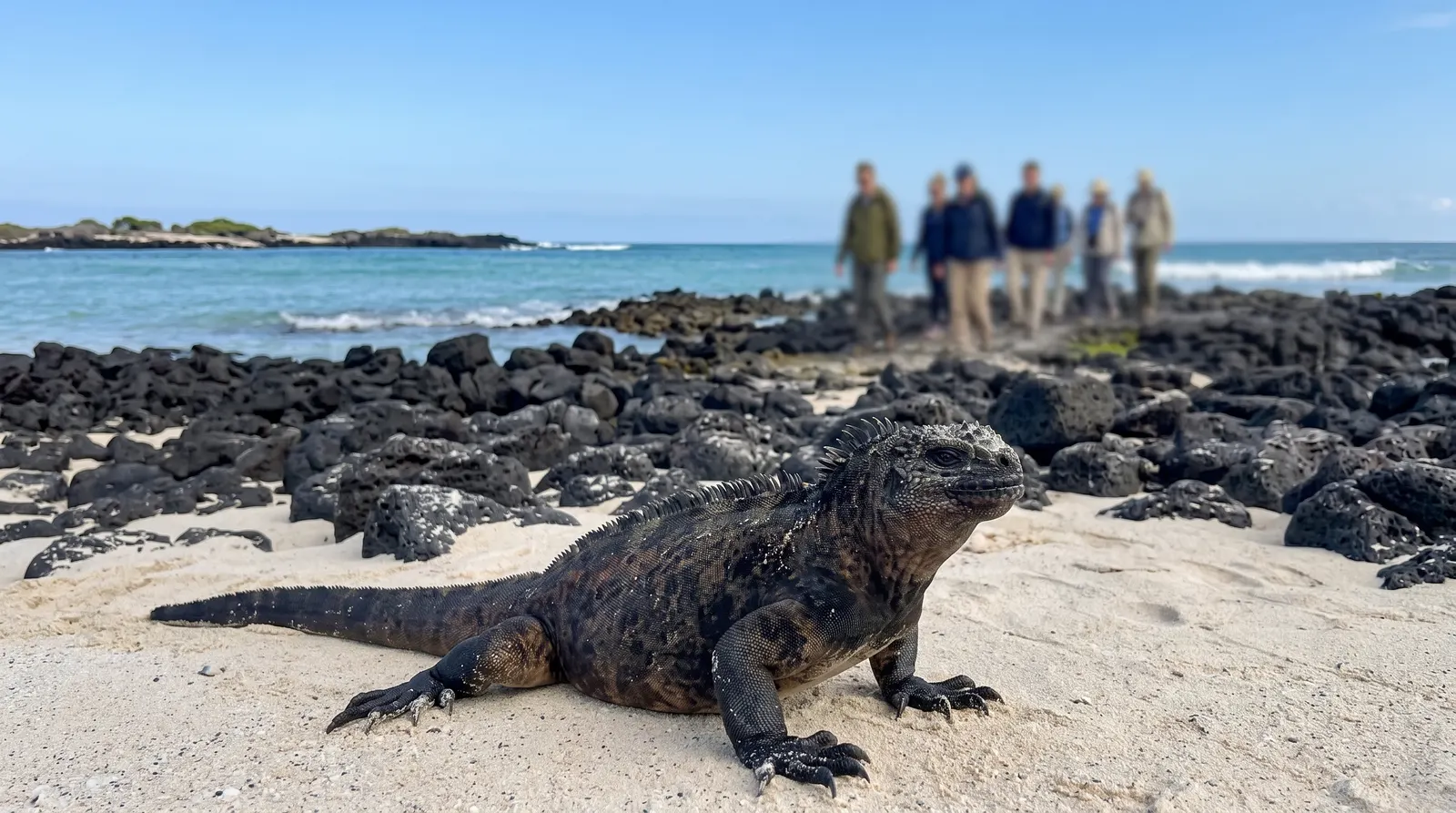
Galapagos Travel FAQs: Everything You Need to Know Before You Go
Read Article
The Smart Galapagos Difference: Why Specialists Matter
Read Article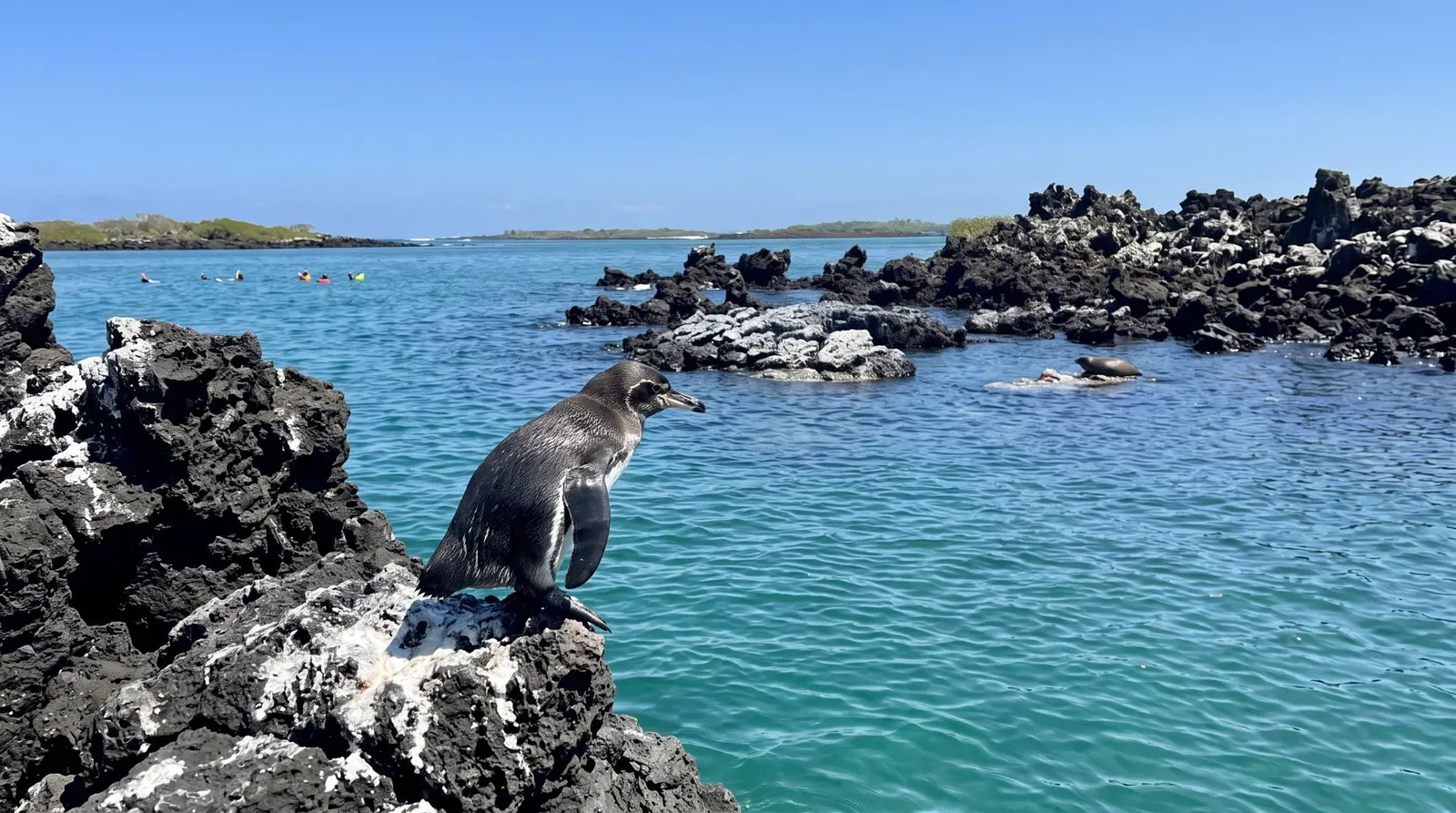
Instagram vs. Reality: Is Galapagos Really Worth the Hype?
Read Article
7 Best Galapagos Tours for Couples: Island Hopping & Romantic Cruises
Read Article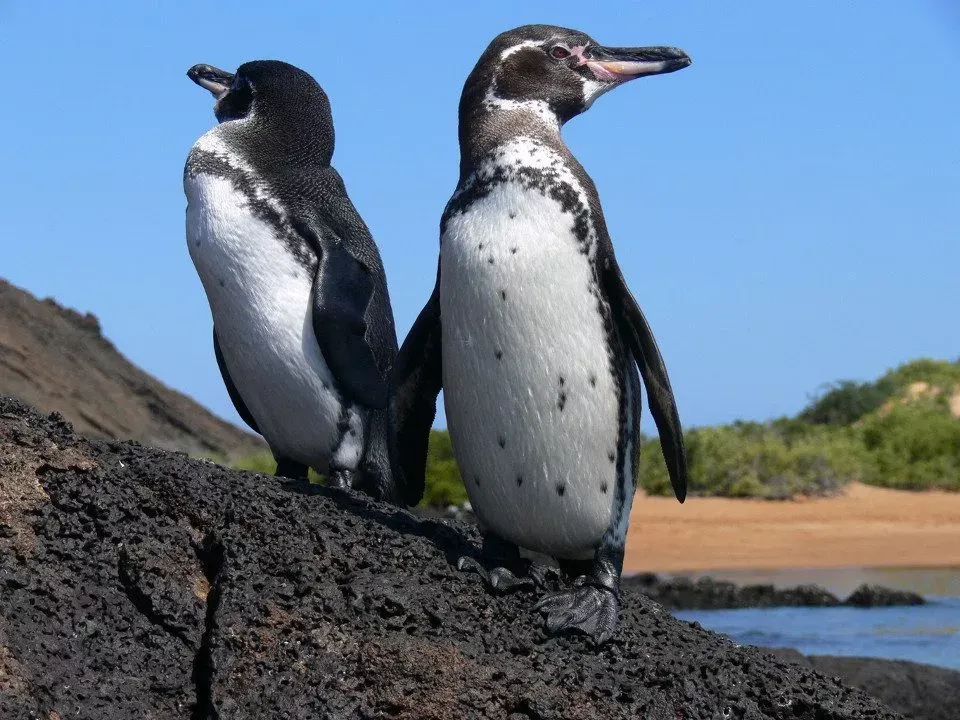
Galapagos Penguins: 12 Fun Facts & Best Places to See Them
Read Article
How to Choose the Perfect Galapagos Cruise: A Complete Guide
Read Article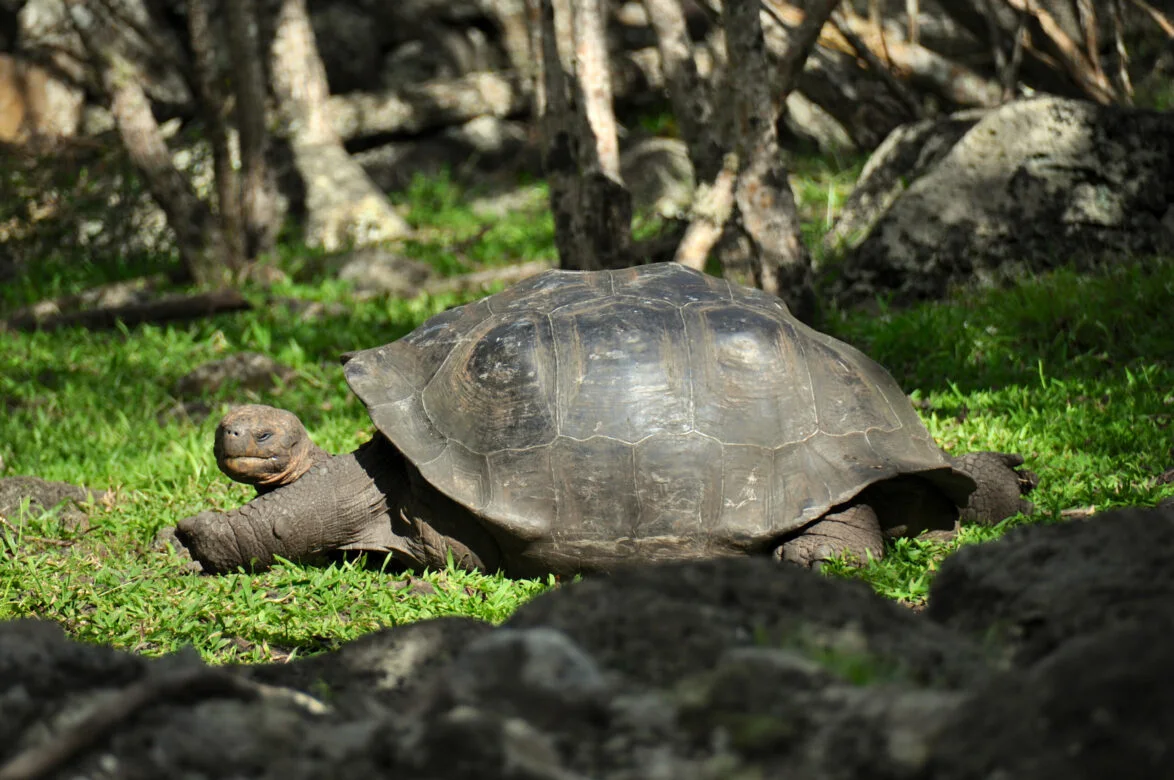
Galapagos Giant Tortoises: Where to See Them, Best Time to Visit & Best Tours
Read Article
Galapagos Travel Guide 2026: Smart Tips for Planning Your Trip
Read Article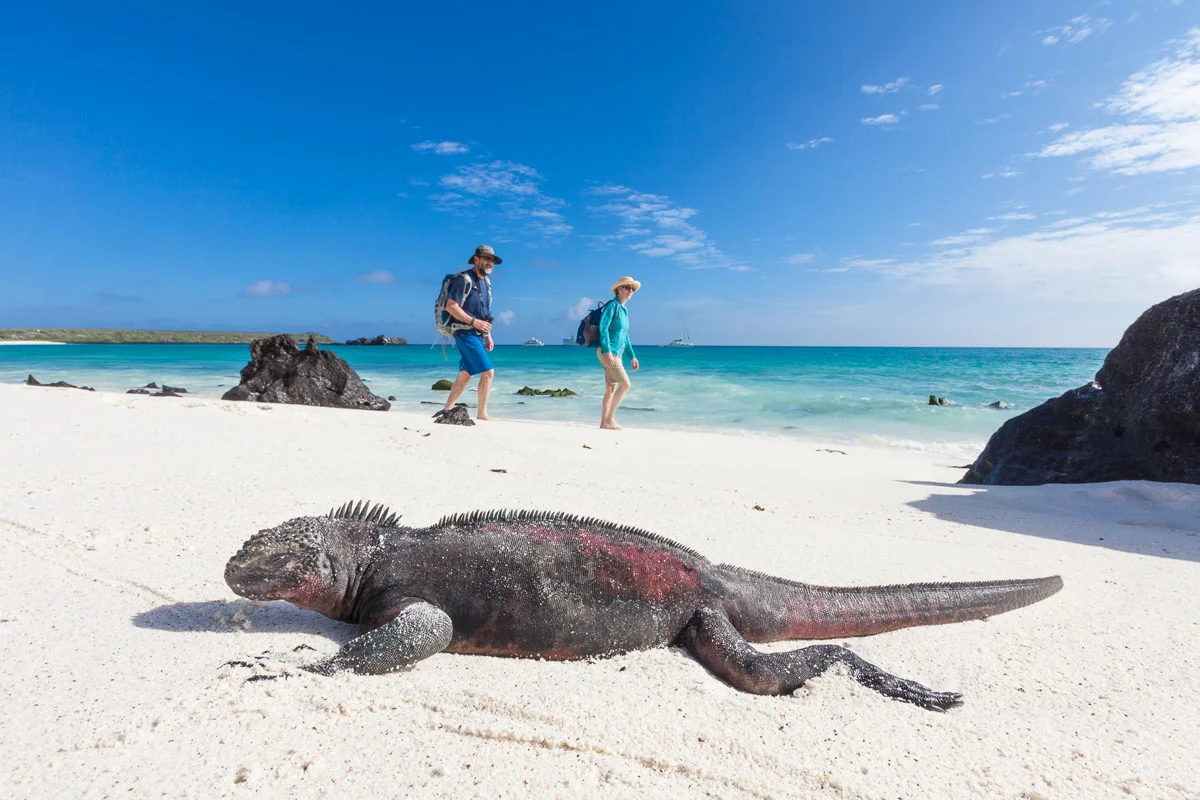
Why Visit Galapagos? 8 Reasons It Belongs on Your Travel List
Read Article
Best Galapagos Island Hopping Tours for Couples: 7 to 10 Day Itineraries
Read Article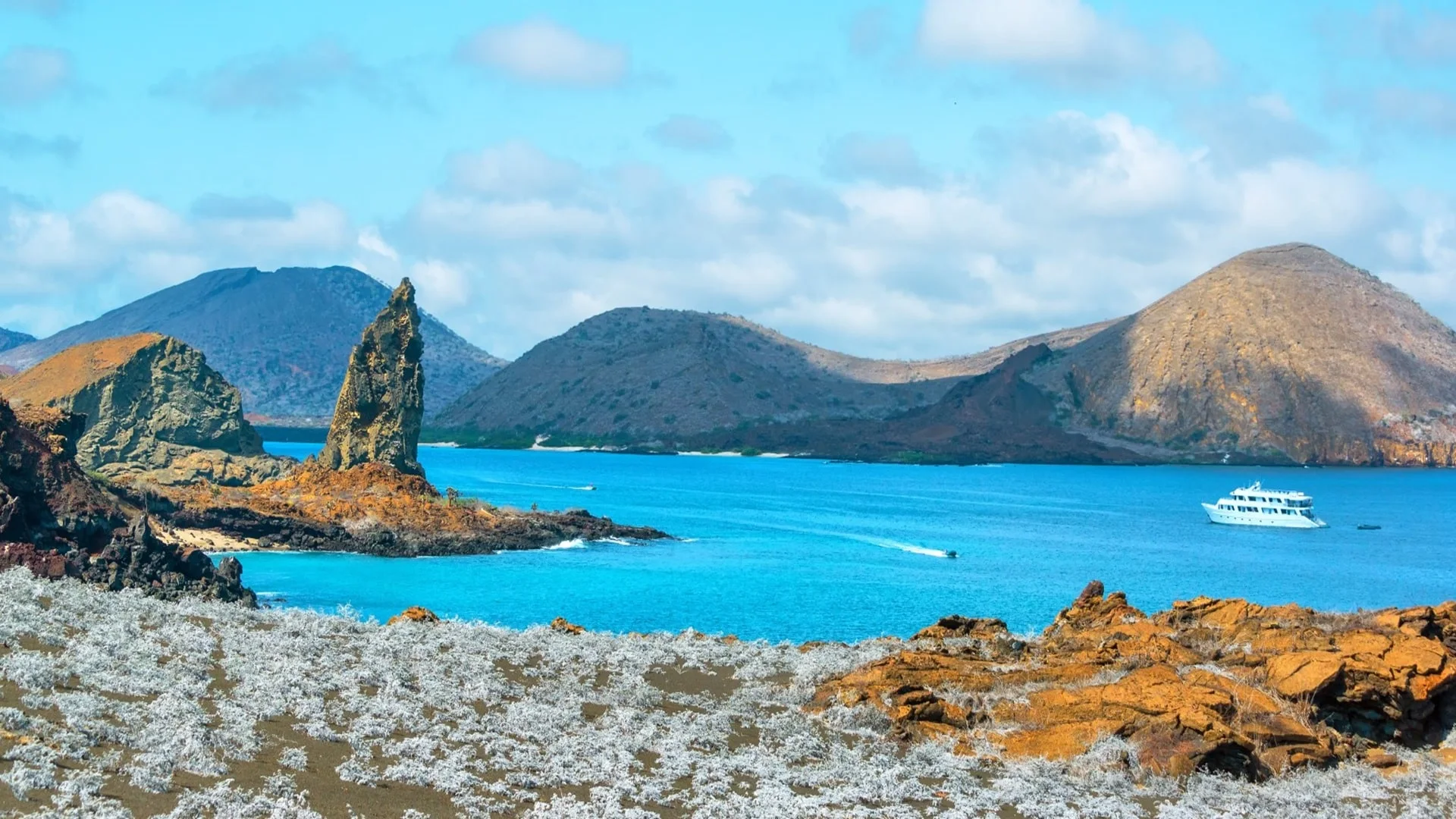
Bartolome Island & Sullivan Bay: Why We Love It
Read Article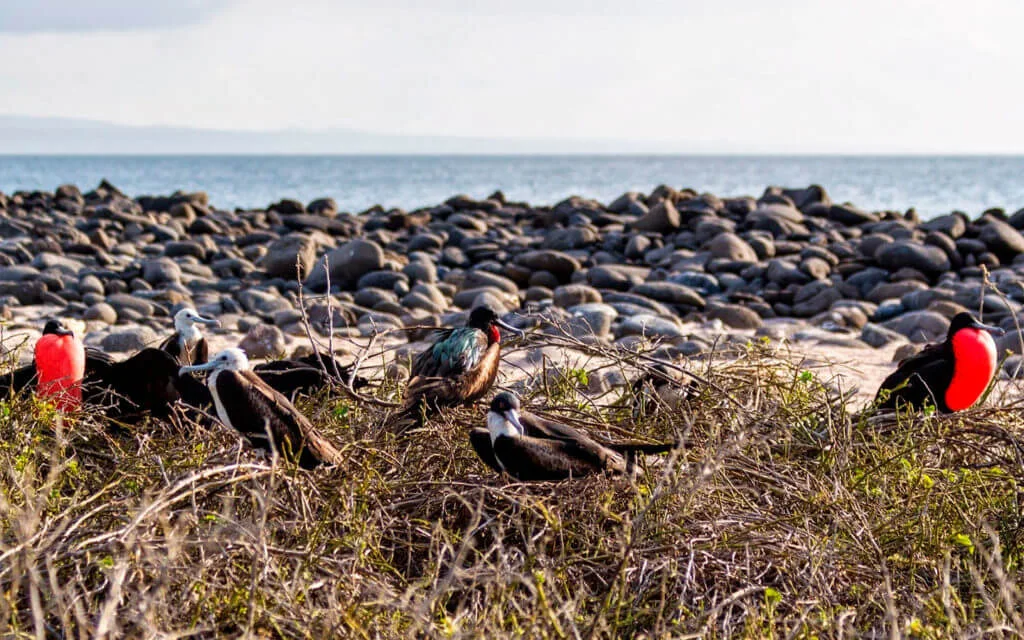
North Seymour Island Yacht Tour: Why We Love It
Read Article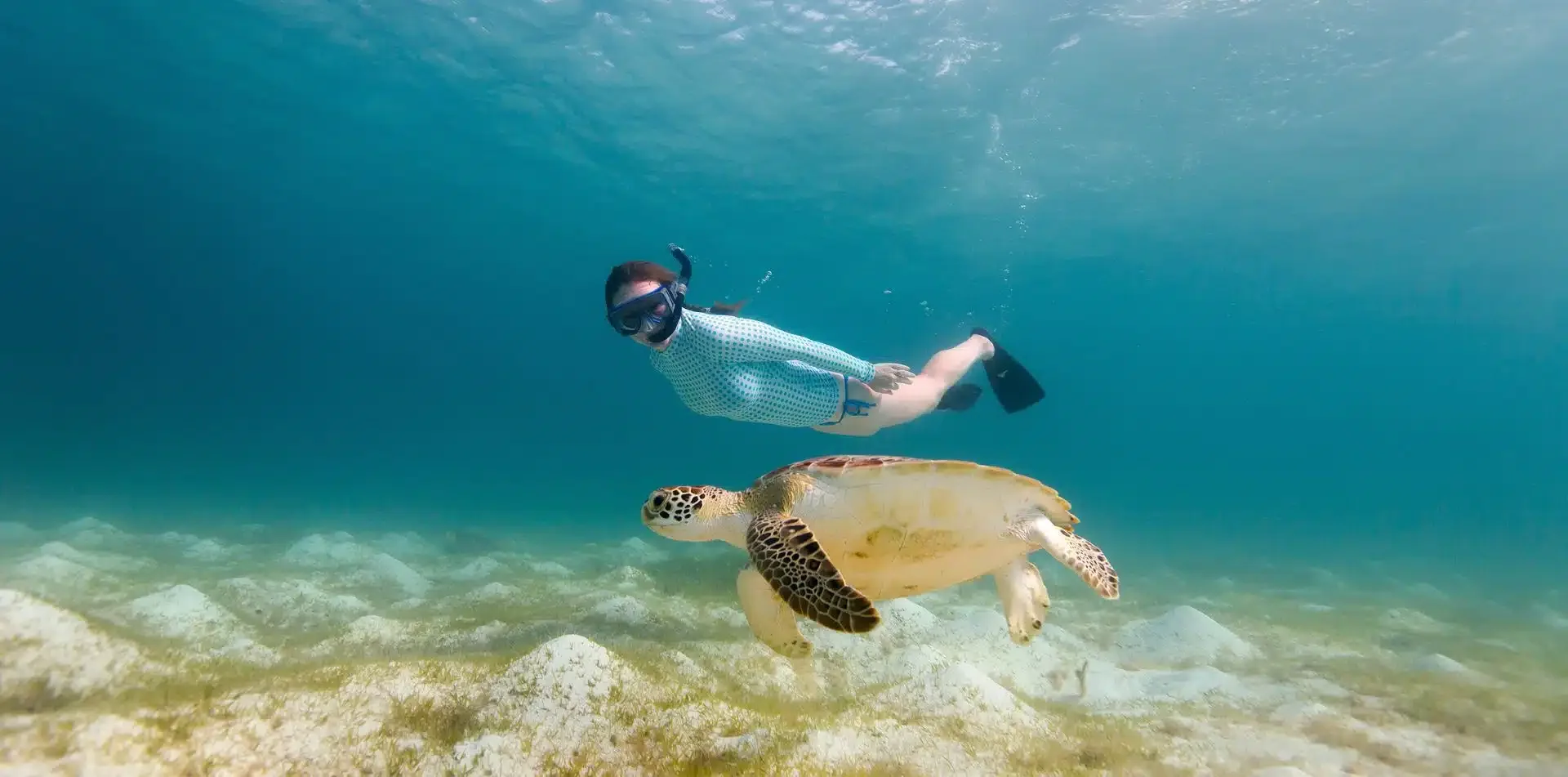
Why Travel to Galapagos with Smart Galapagos?
Read Article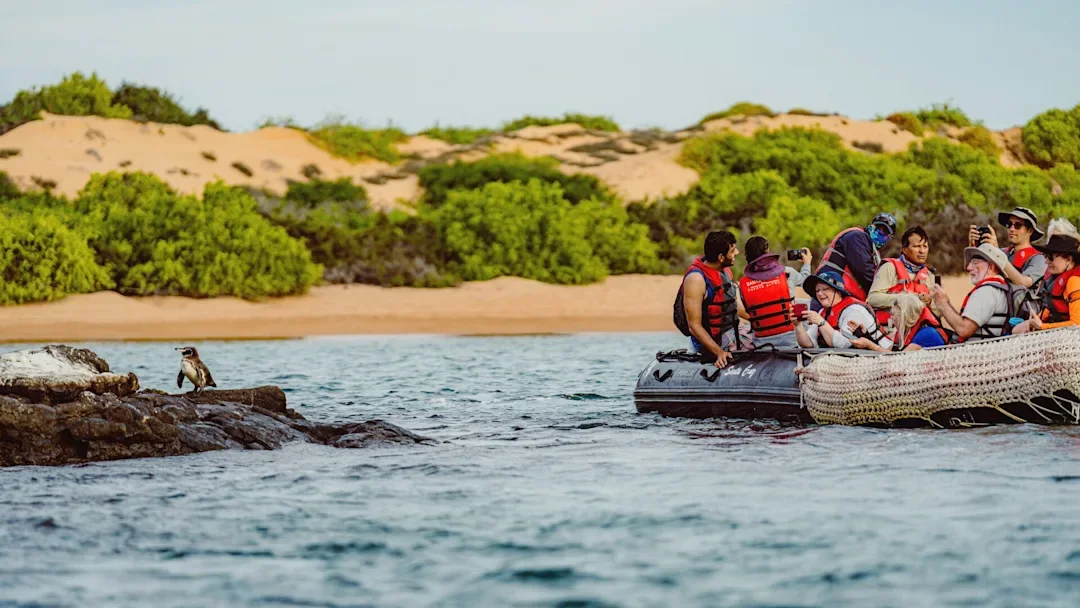
Galapagos Cruise vs Island Hopping: Which Is Better for Your Trip?
Read Article
Best Time to Visit Galapagos: Month-by-Month Weather & Wildlife Guide
Read Article
Do You Need a Guide in the Galapagos?
Read Article