
Galapagos Sea Lions: Facts, Best Places & Encounters
Published: · JPM
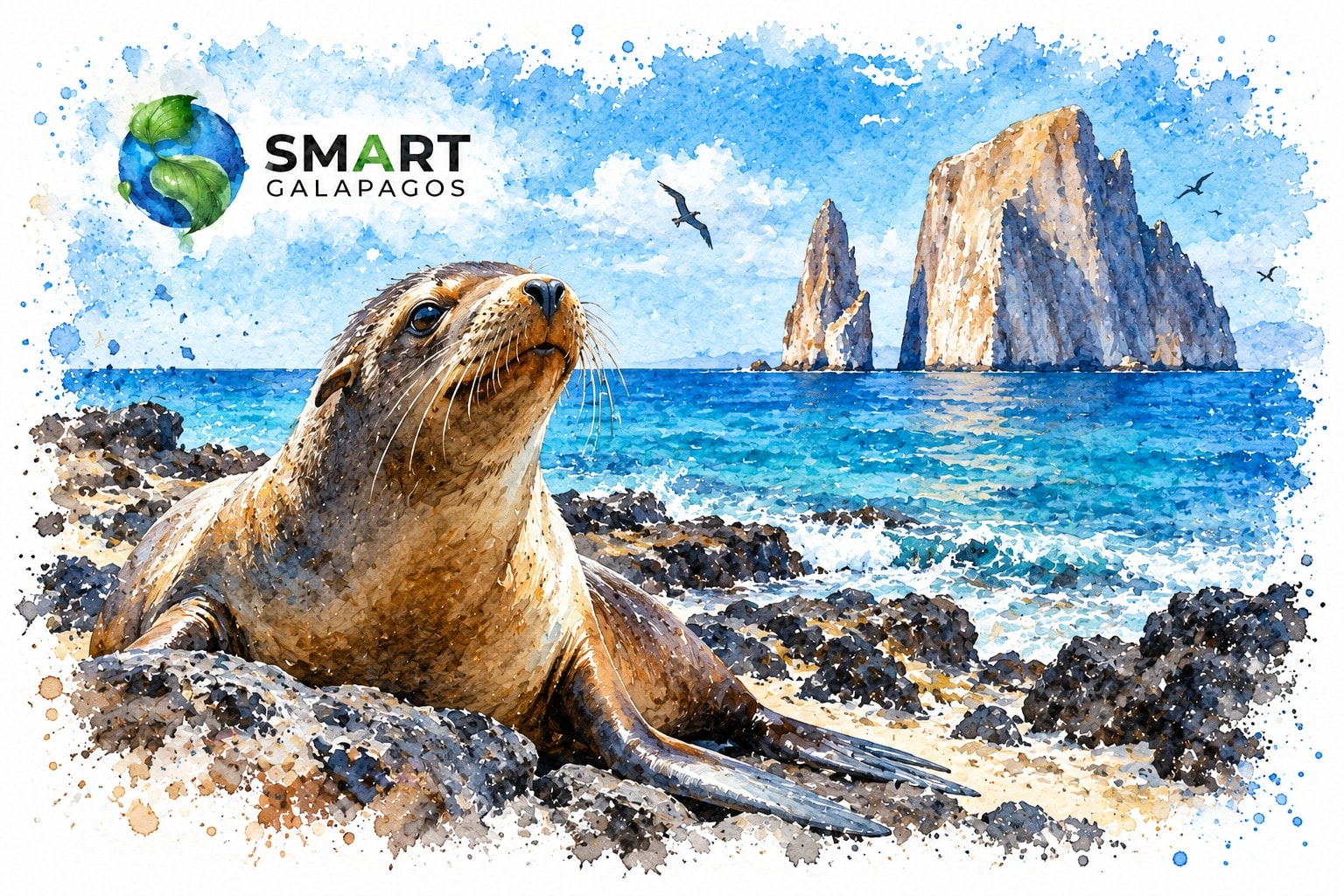
Discover where to see Galapagos sea lions, learn about their behavior and find out when you may spot young pups in the wild.
Galapagos sea lions are among the animals you are most likely to notice during a visit to the islands both on a Galapagos cruise or on an Island Hopping adventure. You may find them sleeping on a beach, resting beside fishing boats or swimming close to shore. Sometimes, you hear them before you see them: their deep barks and softer calls are part of the everyday sounds of coastal life in Galapagos.
But there is more to these animals than their playful behavior. Watching how mothers care for their pups, how males defend their space and how easily sea lions move through the water can make even a short encounter memorable.
Key takeaways
- The Galapagos Sea Lion is part of our Galapagos 23 Iconic animals you might see on our Smart tours.
- The Galapagos sea lion is native to the archipelago, with a small established population also found on Isla de la Plata, off mainland Ecuador.
- Park guidance asks you to stay about two meters (six feet) from every animal, never touch pups and keep to marked trails with a naturalist guide.
- Females recognize their pups through distinctive calls and scent. Some pups may continue nursing beyond their first year.
- San Cristobal, Santa Cruz and Isabela offer opportunities to observe sea lions during an Island Hopping trip. Santa Fe is another option on selected excursions.
- Most pups are born between August and October, although births can extend into November.
Sea lions are part of everyday life on several Galapagos islands, but the experience can be quite different from one place to another. You may find them resting beside fishing boats in Puerto Ayora, gathering along the beaches of San Cristobal or swimming near the shore of Isabela.
Knowing where to look and what to expect can help you make better choices when planning your Galapagos island itinerary with your personal travel assistant. For a free consultation, click here.
What You May See During a Galapagos Sea Lion Encounter
Imagine arriving at a beach by panga. Before stepping onto the sand, you may hear the barking of adult males and the softer calls of younger sea lions. As you look
around, you might find animals resting near the water, mothers staying close to their pups and juveniles playing in the shallows.
There is often plenty happening, but taking a moment to observe their behavior can make the encounter even more interesting.
How to Recognize Males, Females and Pups
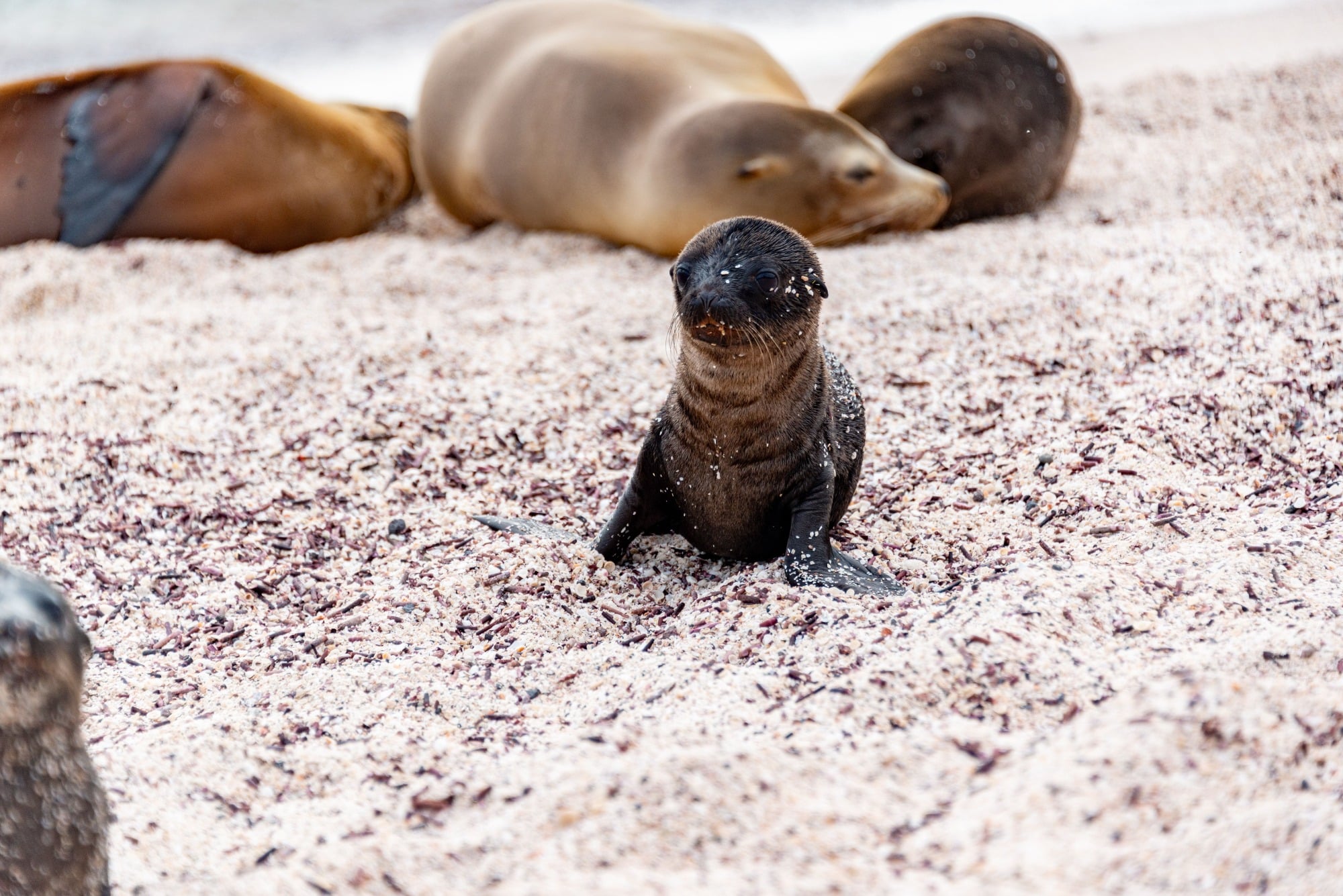
Adult males are generally the largest sea lions on the beach. Their thick necks and broader heads help distinguish them from females. During the breeding season, territorial males may bark loudly to defend their space.
Females are smaller and slimmer, while newborn pups usually have dark coats. Older juveniles are often more active, chasing one another through shallow water and playing in the waves.
How Mothers Find Their Pups
Even in a crowded colony, a mother can recognize her own pup through its distinctive call and scent. When she returns from feeding in the ocean, she calls out and listens for her pup's response.
Pups depend on their mothers for milk for around 11 to 12 months, sometimes longer. You may even see a female nursing an older pup alongside a newborn.
Why They Move Differently on Land and in Water
On land, sea lions may look awkward as they move across the sand. In the water, however, their powerful front flippers help them swim with speed and control, while their hind flippers help steer.
If you see one underwater while snorkeling, you will notice just how agile it can be. This contrast is one of the reasons sea lion encounters are so memorable.
Fun fact: Snorkeling with Galapagos sea lions is a humbling experience. The moment they start twisting, diving and speeding effortlessly around you, you realize just how poorly designed we humans are for moving underwater compared with them.
Their agility is incredible, and sharing the water with such playful animals is one of those Galapagos experiences you are unlikely to forget.
Where Can You See Galapagos Sea Lions?
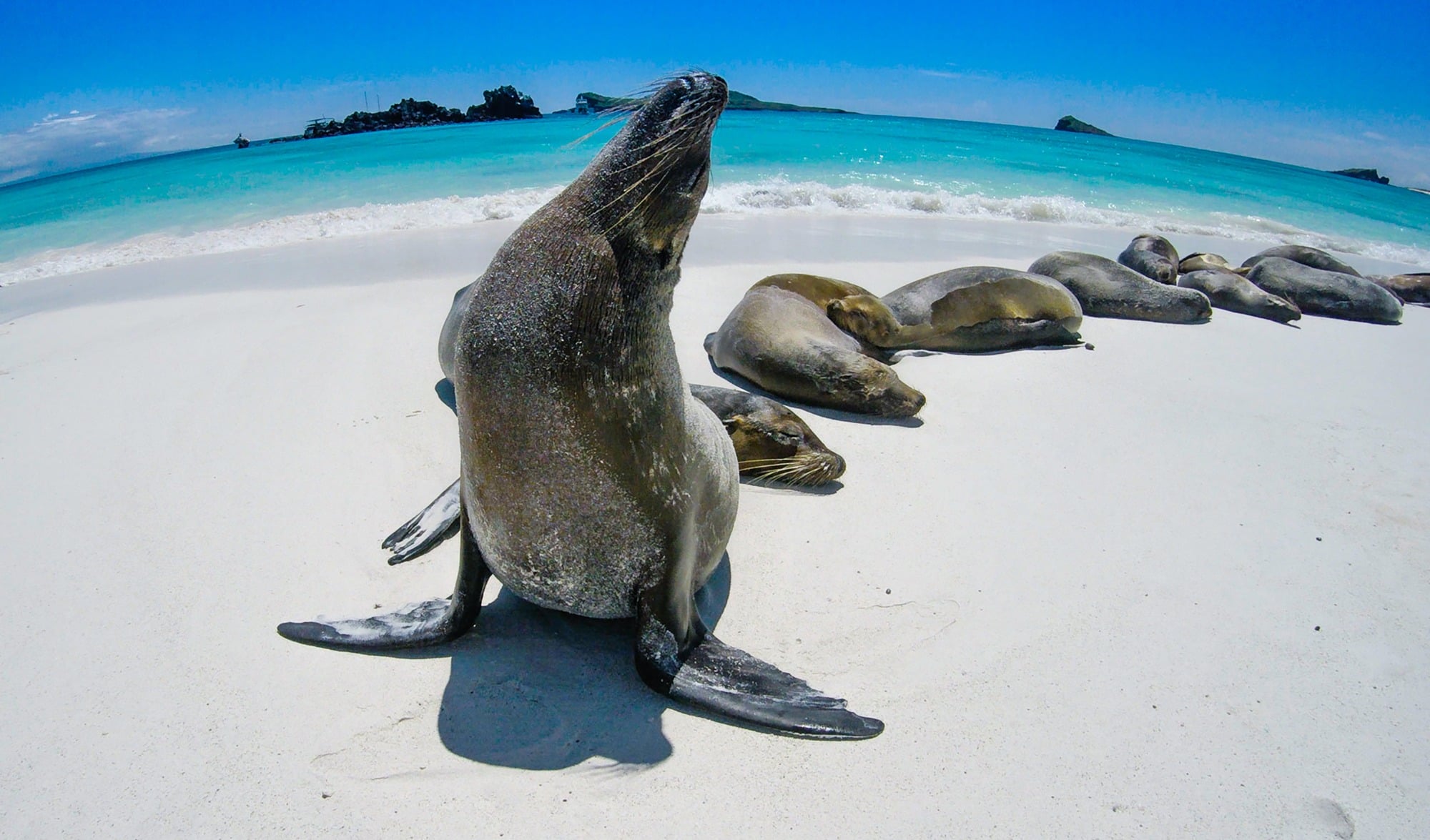
Sea lions live along the coastlines of several Galapagos islands. The kind of encounter you have depends on where you go: you might see them around a town waterfront, resting on a quiet beach or swimming near a visitor site.
| Island | Where to Look | Type of Experience |
|---|---|---|
| San Cristobal | Puerto Baquerizo Moreno, Playa Mann, Punta Carola, La Loberia, Puerto Chino and Isla Lobos. | Town encounters, beach colonies and snorkeling |
| Santa Cruz | Puerto Ayora and nearby coastal areas on our Essential tours. | Sea lions around docks, beaches and waterfronts |
| Isabela | Puerto Villamil and Las Tintoreras | Coastal encounters and boat excursions |
| Santa Fe | Selected visitor sites and nearby waters. See them on our Ideal Galapagos Island Hopping tours. | Beach colonies and snorkeling opportunities |
San Cristobal
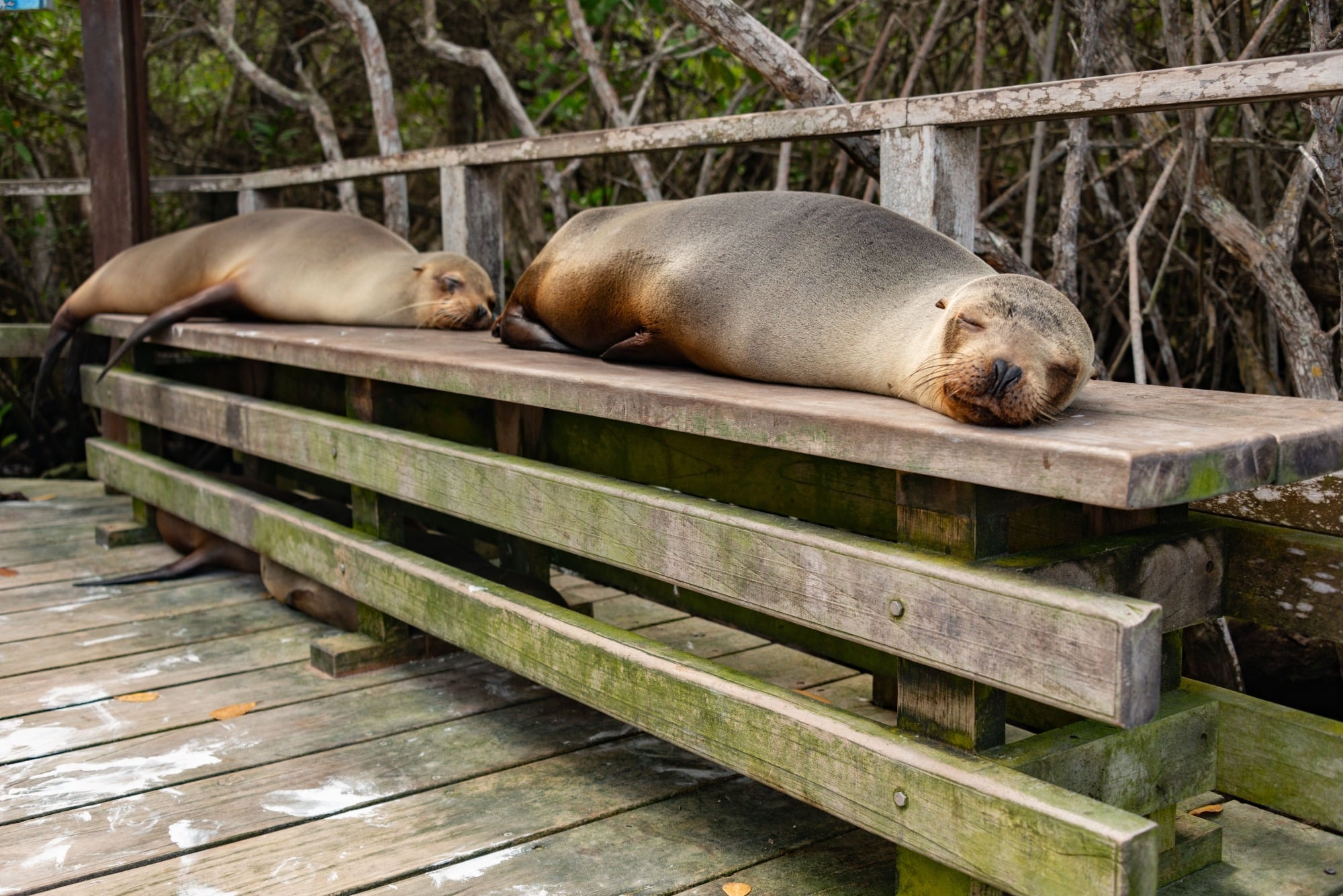
San Cristobal is one of the best islands for seeing Galapagos sea lions without needing to join a full-day excursion. In Puerto Baquerizo Moreno, they are part of everyday life: resting on benches, docks and along the waterfront, or gathering on the beaches right in town.
You may also encounter them at La Loberia beach or during an amazing boat trip to Isla Lobos, but honestly, you will see sea lions almost everywhere while staying on San Cristobal.
I have seen them hundreds of times here, sometimes even farther up in town. You may find them near the hammocks by "The Pier restaurant", outside waterfront restaurants or stretched out in front of the beaches. After a while, seeing sea lions around town starts to feel completely normal, and that is part of what makes San Cristobal so special.
Santa Cruz
In Puerto Ayora, sea lions are often seen resting around the waterfront and fishing docks. They are part of the town's daily life, so you may come across them while departing or arriving from an excursion.
Isabela
On Isabela, look around Puerto Villamil, the pier and the coastal areas near town. Boat excursions to Las Tintoreras also offer opportunities to observe sea lions alongside other marine wildlife.
Santa Fe
Santa Fe is worth considering if you are interested in snorkeling and observing sea lions in a natural coastal setting. Some Island Hopping itineraries include this island both for snorkeling or a yacht tour, so you do not necessarily need to book a cruise to visit it.
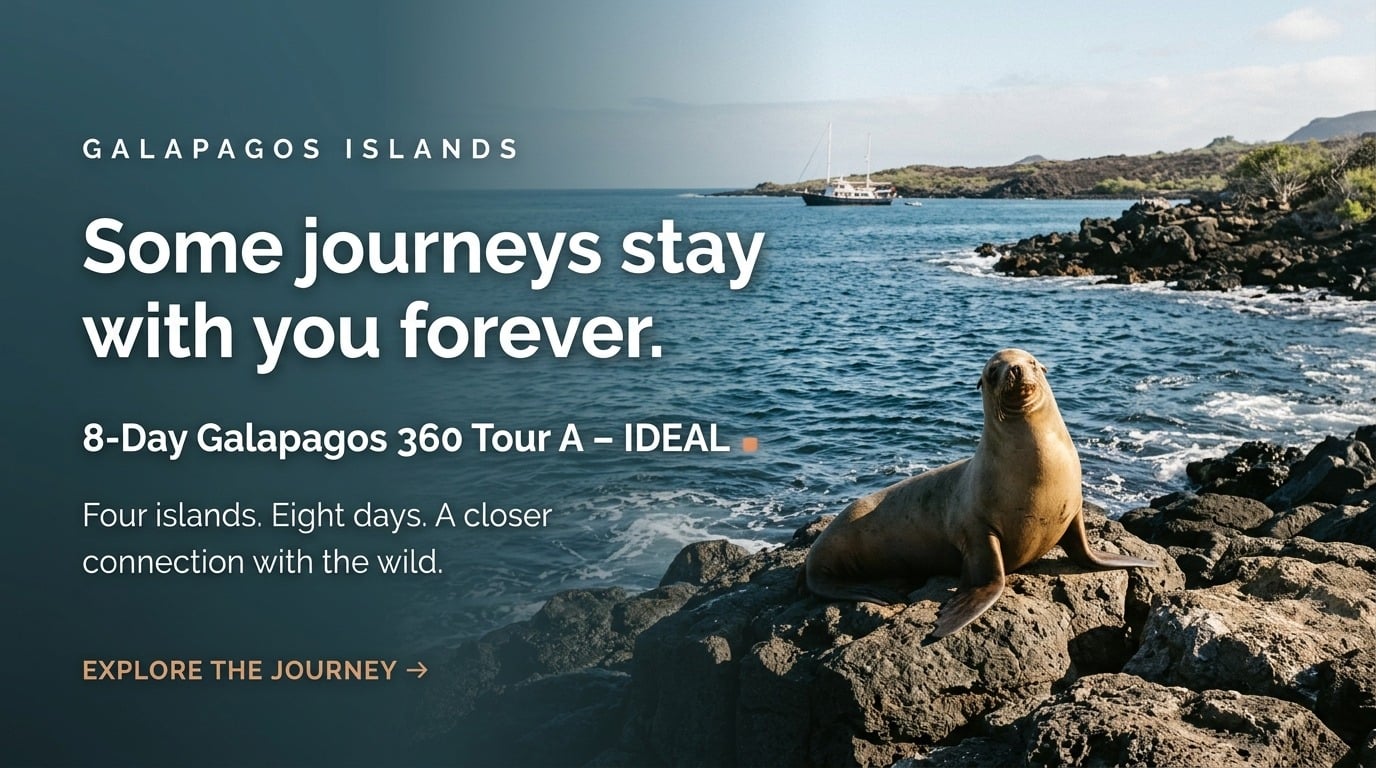
Smart Tip: Do not choose your itinerary based on one animal or island name alone. If sea lions are high on your priority list, tell your Galapagos Travel Assistant whether you are more interested in seeing beach colonies, visiting town waterfronts or snorkeling with them. The visitor sites included in your route will make a difference.
When Is the Best Time to See Sea Lions?
Galapagos sea lions can be observed throughout the year, so there is no single month that you must visit to see them. Their breeding season extends approximately from May to January, although timing can vary between colonies.
If you are especially interested in seeing young pups, the second half of the year is worth considering. However, births do not happen on an exact schedule, and wildlife sightings can never be guaranteed.
Ocean conditions also matter. During El Niño events, warmer water can reduce the availability of fish, affecting sea lions and particularly the survival of young pups.
For a broader look at seasonal conditions, see our Galapagos weather guide.
Can You Snorkel with Galapagos Sea Lions?
Yes. Snorkeling is one of the most enjoyable ways to observe sea lions in their marine environment. Young sea lions can be curious and may swim around snorkelers, turn underwater or blow bubbles nearby.
If one approaches, stay calm and let the animal decide whether to continue the interaction. Never chase, touch or try to attract it, and do not swim between a mother and her pup. These are wild animals, so being a smart traveler is always recommended.
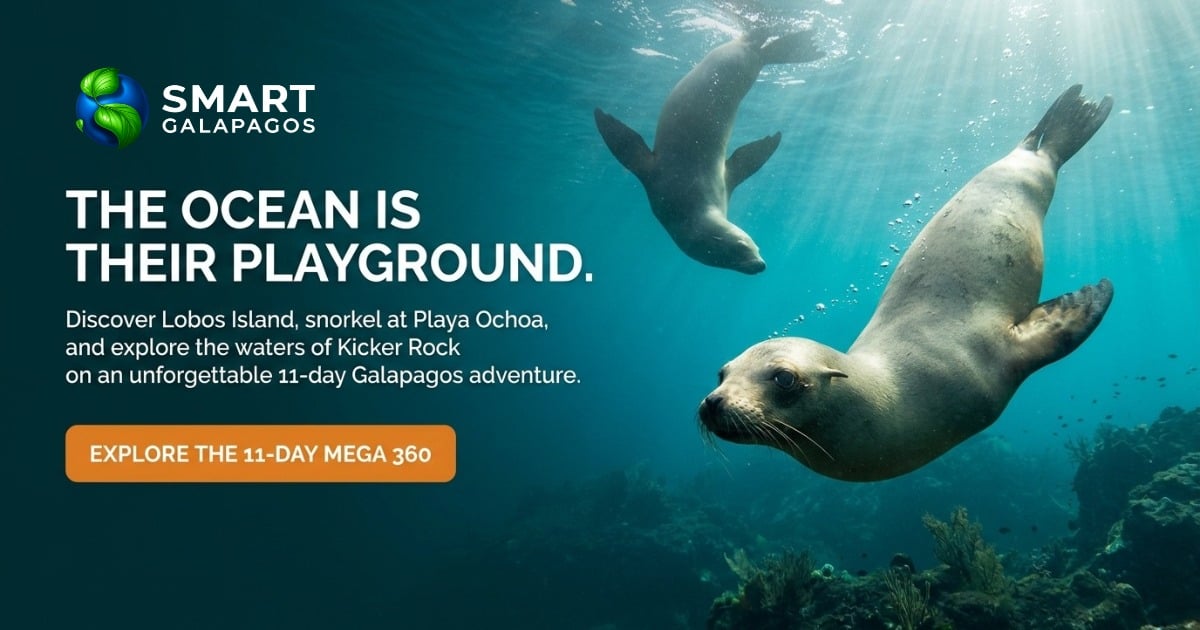
Smart Tip: If snorkeling with sea lions is one of your priorities, ask which visitor sites are included in your itinerary and what the conditions are likely to be for your travel dates. A good route matters more than simply choosing the longest trip.
How to Observe Sea Lions Responsibly
Sea lions may seem comfortable around people, especially in inhabited areas, but they still need space. Follow your naturalist guide's instructions and respect the Galapagos National Park rules.
- Keep at least 2 meters (6 feet) from wildlife when walking, snorkeling, freediving or diving.
- Keep at least 4 meters from wildlife and the shore during panga rides, kayaking and paddleboarding, as required by the updated visitor rules.
- Never touch, feed or chase sea lions, including pups.
- Stay on marked trails and visit protected areas with an authorized naturalist guide.
- Be wise, give adult males extra space, particularly when they are defending a territory.
If a sea lion approaches you, remain calm and give it room to move away. The goal is to observe natural behavior without changing it.
Galapagos Sea Lions and Kids
For families, Galapagos sea lions are often one of the biggest highlights of the trip. Children usually love how curious, playful and expressive they are, especially when they see them swimming, sleeping on beaches or wandering around the waterfront in San Cristobal.
Snorkeling near sea lions can be an unforgettable experience for confident young swimmers. They may circle around you, dive below you or suddenly appear nearby, making the encounter feel much more interactive than simply watching wildlife from a distance.
At the same time, it is important to remember that sea lions are wild animals. Kids should never touch, chase or try to feed them, and families should always follow the instructions of their naturalist guide and keep the required distance.
For many children, seeing sea lions this close becomes one of the stories they remember most from their Galapagos family trip.
Frequently Asked Questions About Galapagos Sea Lions
Are Galapagos sea lions friendly?
They can appear curious and relaxed around people, but they are wild animals. Observe them from a respectful distance and never try to touch or interact with them.
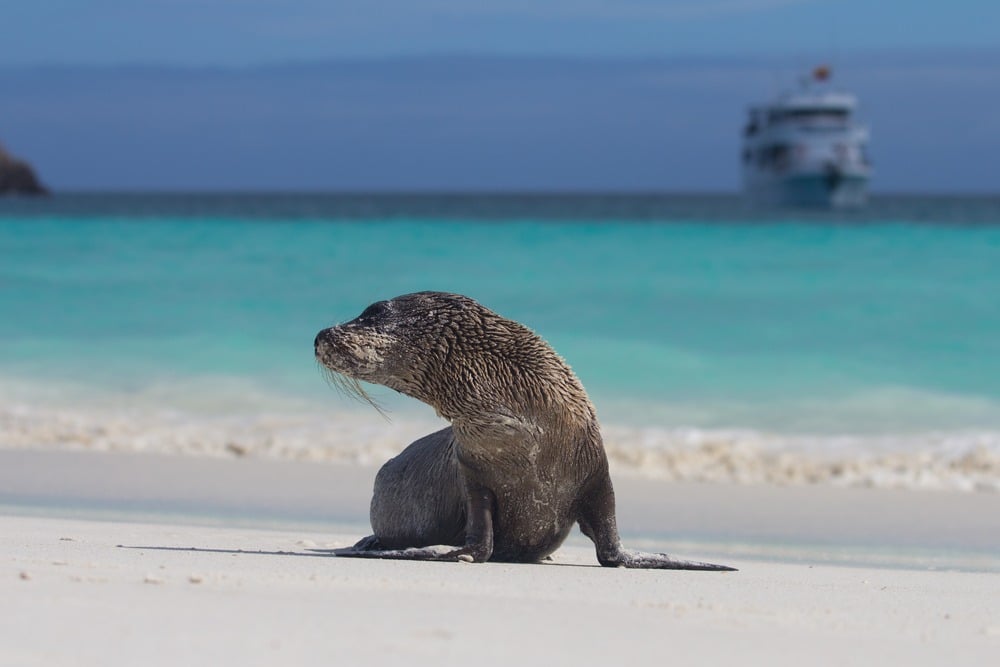
Are Galapagos sea lions dangerous?
They can bite, particularly if they feel threatened or are defending their territory or pups. Adult males deserve extra space, and visitors should never approach a resting animal too closely.
I've seen tourists bitten by playful sea lions that try to bite their fins. Always be careful.
Can you swim with sea lions in Galapagos?
Yes, during guided snorkeling excursions at suitable visitor sites. Sea lions may approach swimmers on their own, but interactions are never guaranteed.
What do Galapagos sea lions eat?
Their diet consists mainly of fish and squid. They feed at sea and return to shore to rest and care for their pups.
What is the difference between a Galapagos Sea lion and a Galapagos fur seal?
Sea lions are generally larger, with visible external ears and the ability to move on land using their front and hind flippers. Galapagos fur seals are smaller, have a thicker coat and tend to prefer rocky, shaded shores.
Do I need a cruise to see Galapagos sea lions?
No. You can encounter sea lions in places such as Puerto Baquerizo Moreno, Puerto Ayora and Puerto Villamil. Island Hopping itineraries can also include visitor sites such as Santa Fe, while cruises offer access to other remote areas depending on their route.
Why Travel with Smart Galapagos?
Smart Galapagos is a local specialist with more than 15 years of experience designing Island Hopping trips, cruises and customized itineraries. We have helped more than 1,500 travelers explore the islands and received 450+ five-star reviews. Around 40–50% of our travelers come through recommendations from past guests.
Every trip includes the support of a personal Galapagos Travel Assistant, from choosing the right itinerary to assistance during your journey. We work with carefully selected hotels, yachts and local partners, helping you match your route to the wildlife and experiences that matter most to you.
If sea lions are one of your priorities, we can help you compare Island Hopping options and cruises based on their visitor sites, activities and travel pace. Learn more about Why Travel with Smart Galapagos.
We also plant one native tree in Ecuador for every traveler and provide a certificate as part of our Smart Travel commitment.
Ready to plan your Galapagos trip?

Ready to plan your Galapagos journey?
Tell us what you want to experience, and we’ll help you build a trip around you.
Continue Exploring
More Travel Guides from the Smart Galapagos Journal
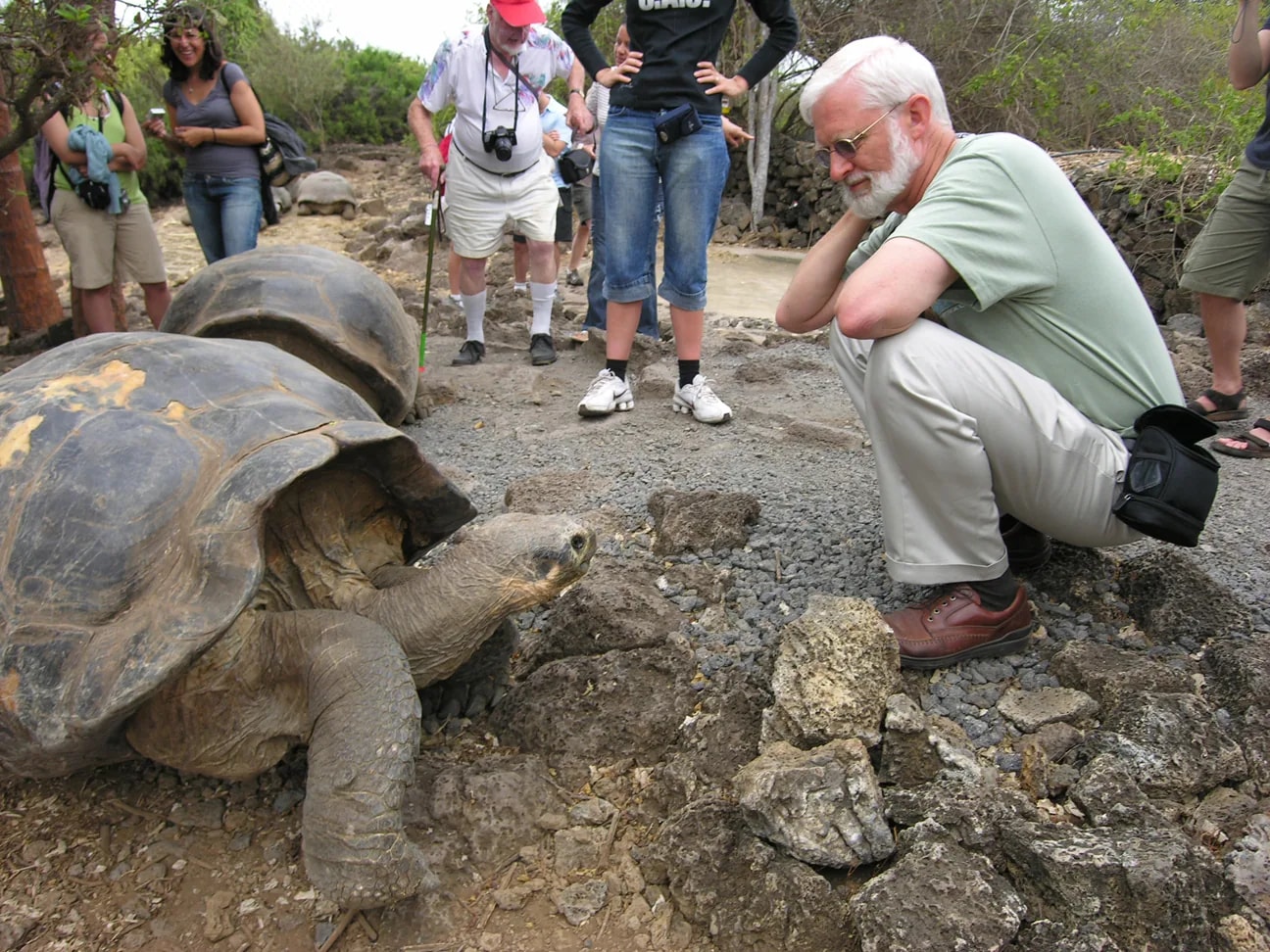
Do You Need a Galapagos Tour Guide? What You Can Do on Your Own
Read Article
How Much Does a Galapagos Trip Cost in 2027?
Read Article
How to Choose the Best Galapagos Cruise in 2027
Read Article
Galapagos Frigatebirds: Facts, Red Pouch & Best Places to See Them
Read Article
Galapagos Flamingo: Facts, Population & Best Places to See Them
Read Article
Galapagos Last Minute Cruise Deals: Save More Than 50%
Read Article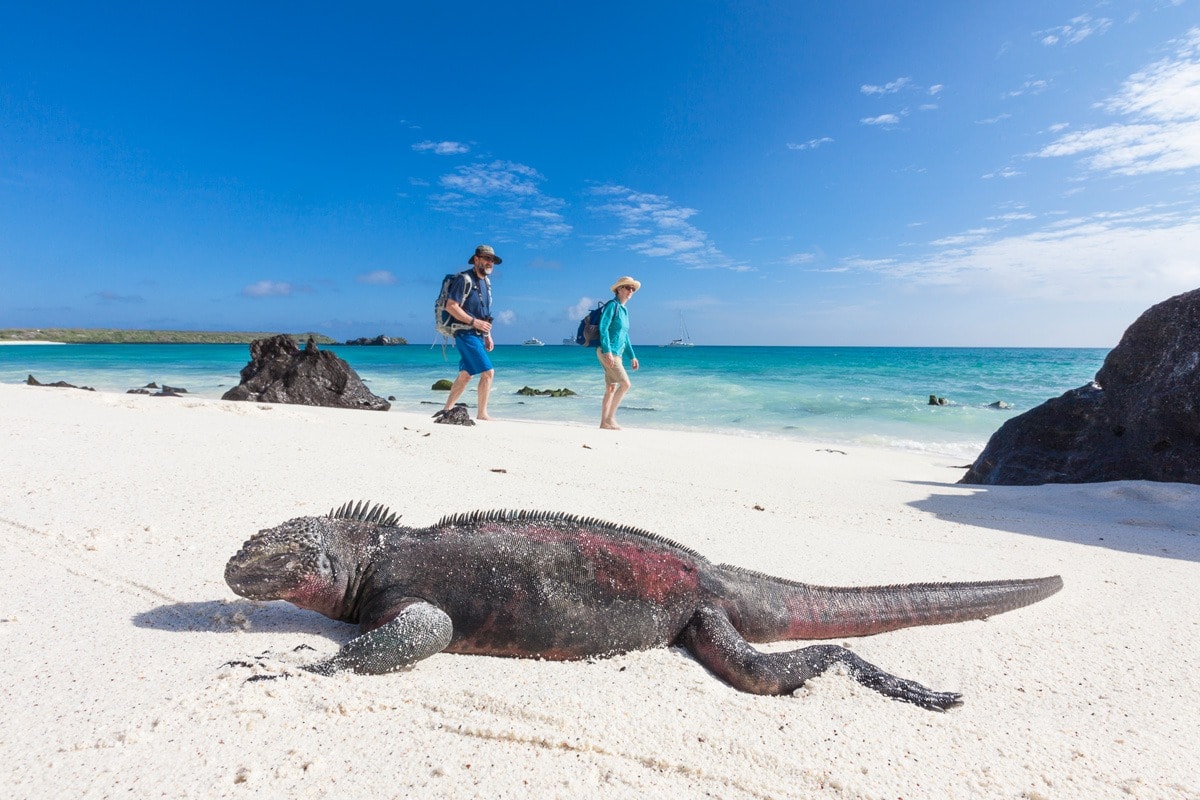
Galapagos Marine Iguanas: Facts, Where to See them & Best Tours
Read Article
El Niño in Galapagos: Wildlife, Weather & Travel Guide
Read Article
Galapagos Budget Honeymoon: Romantic Trips & Tips for Couples
Read Article
Galapagos Smart Packing List: What to Pack for Your Galapagos trip
Read Article
Galapagos Black Friday Deal: 15% Off Island Hopping Tours
Read Article
Galapagos in March: Weather, Wildlife, Snorkeling & Smart Travel Tips
Read Article
Best Things to Do in Galapagos: Wildlife, Snorkel, Beaches & Adventure
Read Article
Galapagos Blue-Footed Boobies: Best Places, Facts & Mating Dance
Read Article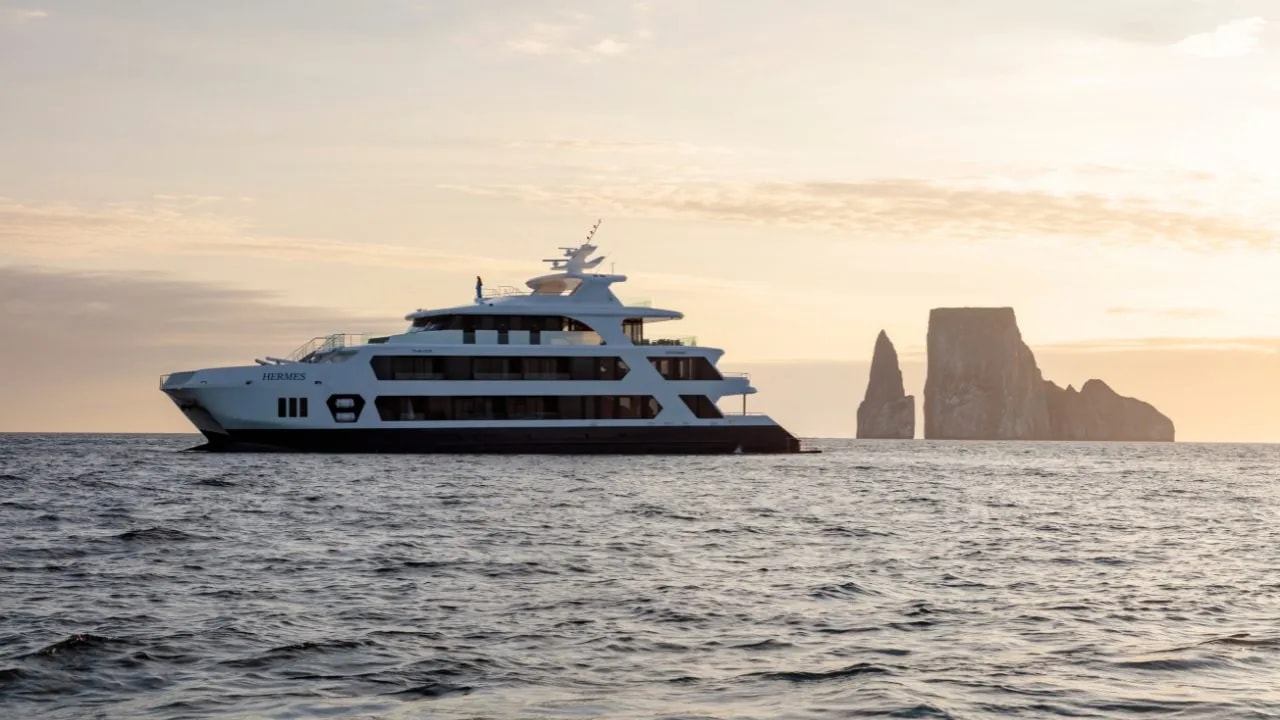
Best Galapagos Cruises for large Families & Groups
Read Article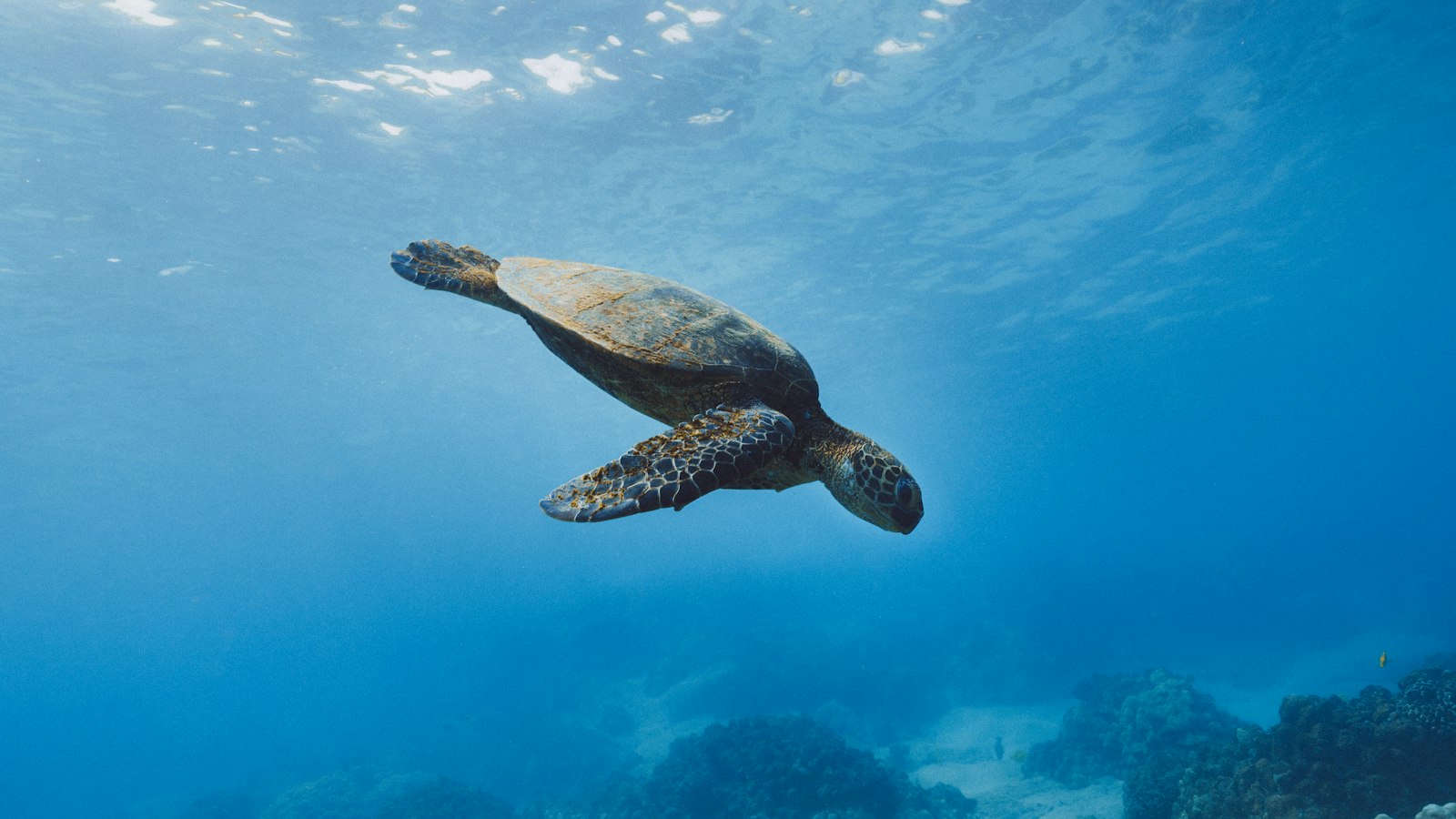
Which Galapagos Island to Visit? Find the Best Island for You
Read Article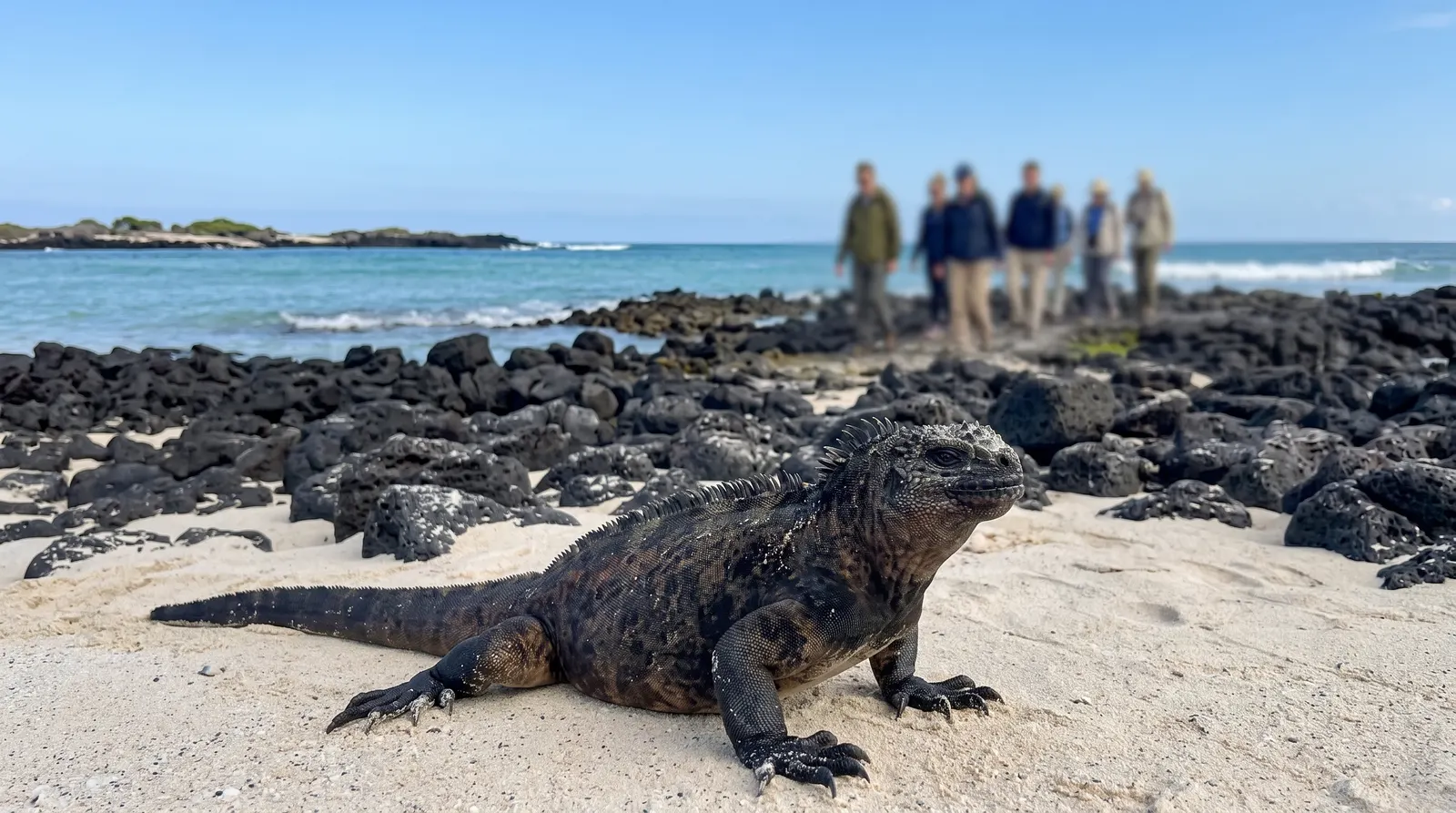
Galapagos Travel FAQs: Everything You Need to Know Before You Go
Read Article
The Smart Galapagos Difference: Why Specialists Matter
Read Article
Instagram vs. Reality: Is Galapagos Really Worth the Hype?
Read Article
7 Best Galapagos Tours for Couples: Island Hopping & Romantic Cruises
Read Article
Galapagos Penguins: 12 Fun Facts & Best Places to See Them
Read Article
Galapagos Giant Tortoises: Where to See Them, Best Time to Visit & Best Tours
Read Article
Galapagos Travel Guide 2026: Smart Tips for Planning Your Trip
Read Article
Why Visit Galapagos? 8 Reasons It Belongs on Your Travel List
Read Article
Best Galapagos Island Hopping Tours for Couples: 7 to 10 Day Itineraries
Read Article
Bartolome Island & Sullivan Bay: Why We Love It
Read Article
North Seymour Island Yacht Tour: Why We Love It
Read Article
Why Travel to Galapagos with Smart Galapagos?
Read Article
Galapagos Cruise vs Island Hopping: Which Is Better for Your Trip?
Read Article
Best Time to Visit Galapagos: Month-by-Month Weather & Wildlife Guide
Read Article